
Photos: UNDP Benin

Benin
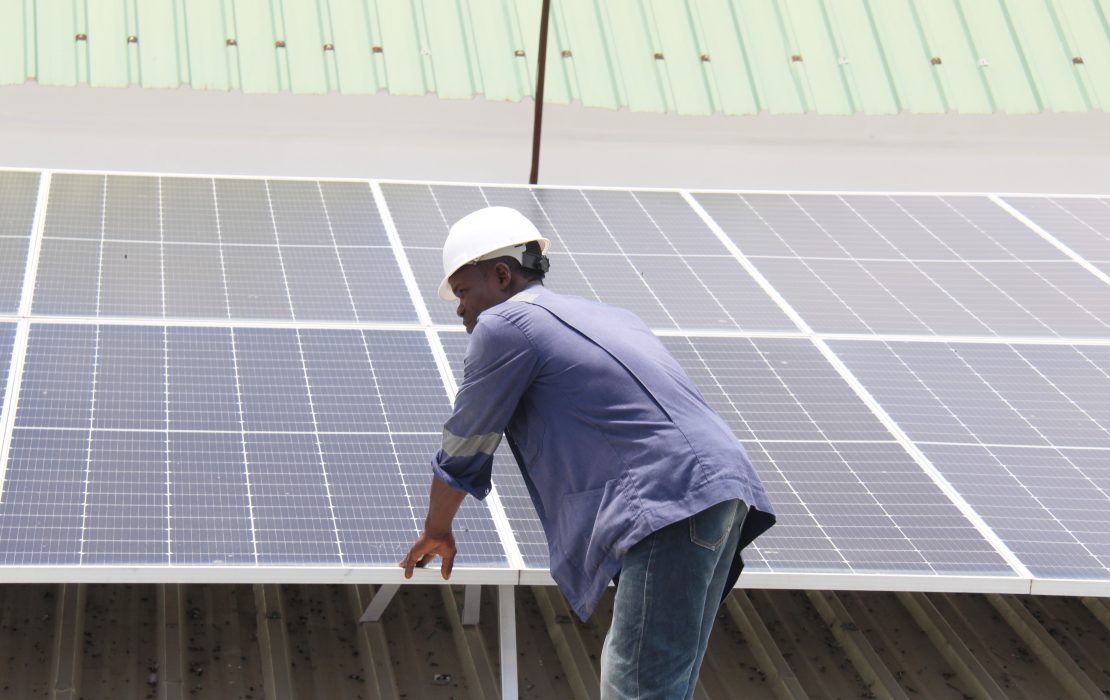
In Benin, UNDP’s country office now runs on a 42-kW solar system that powers lighting, cooling and essential equipment during frequent power outages.
“Before, it was difficult to work in the office as soon as the grid power went out. Every time we started the generator, it was impossible to work in peace because of the intense noise it made. It gave off thick black smoke, which polluted the environment and made it difficult for us to breathe. Today, with the use of solar energy, we no longer feel the effects of the power outage as before. We breathe clean air and work in complete serenity,” said Isabelle Paraiso Zossou, Programme Associate at UNDP Benin.
The switch to solar energy is not only cleaner but also more economical. “In one year, we are saving thousands of dollars on diesel,” said Annick Pognon, Operations Manager.
UNDP also supported the installation of new streetlights across external buildings, improving safety for staff travelling home in the evenings. Smart sensors and energy-efficient air conditioning now regulate temperature automatically, reducing energy waste and creating a healthier workplace that can operate without disruptions in spite of frequent power outages.

Photo: UNDP India
India
At the UN House in New Delhi, UNDP India has reduced its energy carbon footprint by 24 percent since 2018, by switching to greener sources of energy and implementing a range of energy efficiency measures.
A 174-kWp rooftop solar plant now supplies much of the building’s electricity, powering lighting, cooling and electric vehicles while cutting reliance on fossil fuels. Inside the office, energy-efficient chillers, reflective tiles and LED lighting have reduced energy use by 40 percent and improved air quality for staff.
Savings from these upgrades have supported broader UNDP initiatives, including the replacement of 50 diesel-powered waste trucks with electric vehicles, providing stable jobs and income opportunities for 100 women organized in self-help groups. The women operate the vehicles under local waste collection schemes, earning regular wages while working in safer and cleaner conditions.
With electric vehicles powered by solar carports, recycled paper supplies, rainwater harvesting and a travel policy that promotes more efficient journeys, UNDP India demonstrates how a circular workplace can work across every area of its operations.
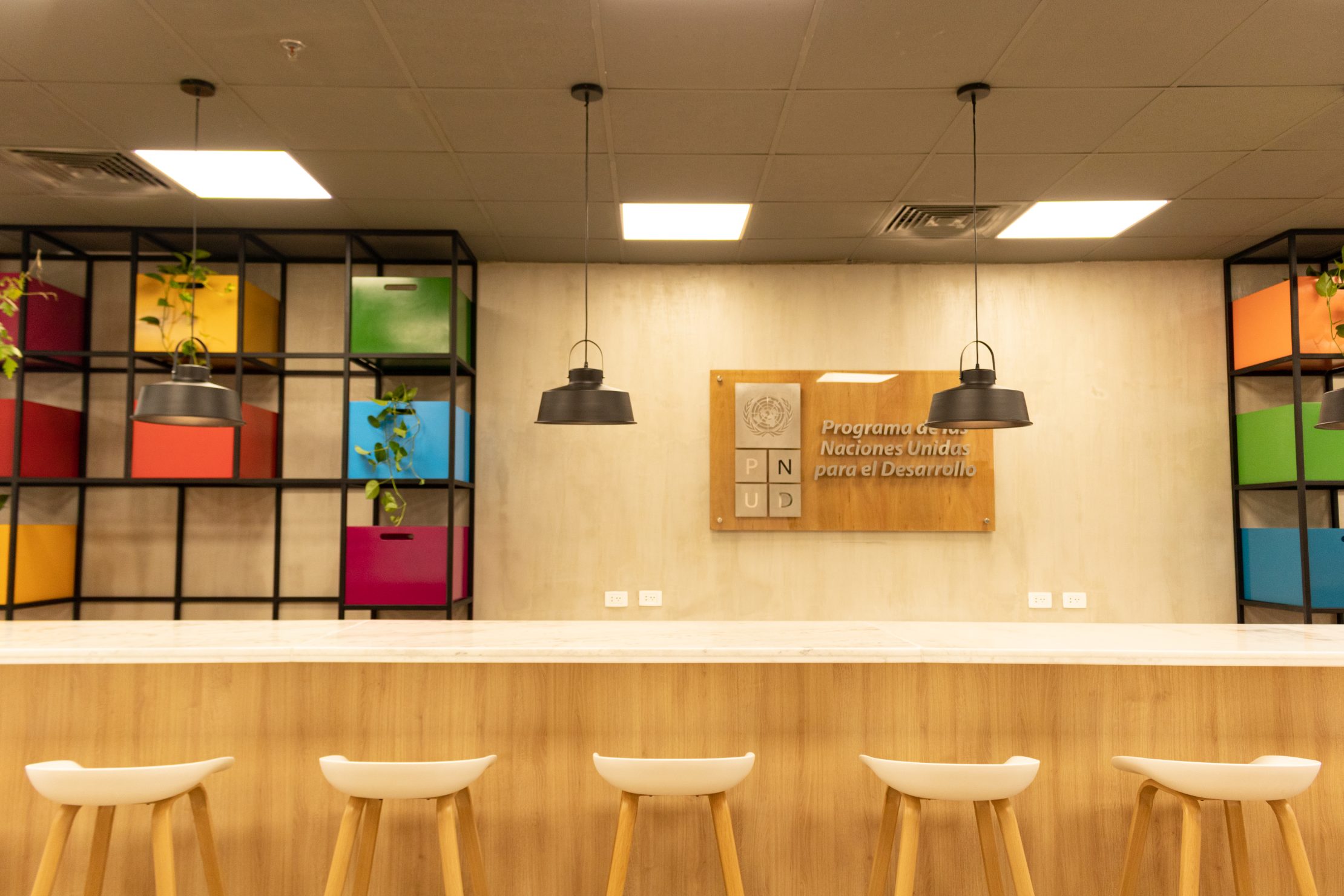
Photo: UNDP Paraguay
Paraguay
In Paraguay, UNDP is turning its own operations into a model for green business practices. By rethinking office design and adopting electric mobility, the office has reduced its carbon footprint by 47 percent, being well on its way to meeting the 50 percent reduction target set for 2030.
Flexible hybrid work arrangements enable staff to work from home several days a week, cutting nearly 29 tonnes of CO₂ emissions each year. The smaller, brighter workspace also saves about $30,000 annually in rent, utilities and office supplies.
UNDP’s electric vehicles are powered by Paraguay’s renewable hydropower, one of the world’s most affordable and reliable electricity sources. Operating at just $0.046 per 100 kilometers compared to about $15 for traditional engines, each vehicle saves around 1,300 liters of fuel every year.
Building on these successes, UNDP now partners with the Paraguayan Industrial Union to help businesses replicate these gains through energy efficiency upgrades, achieving tariff savings of up to 80 percent and strengthening the case that sustainability drives competitiveness.
Photos: UNDP Tajikistan

Tajikistan
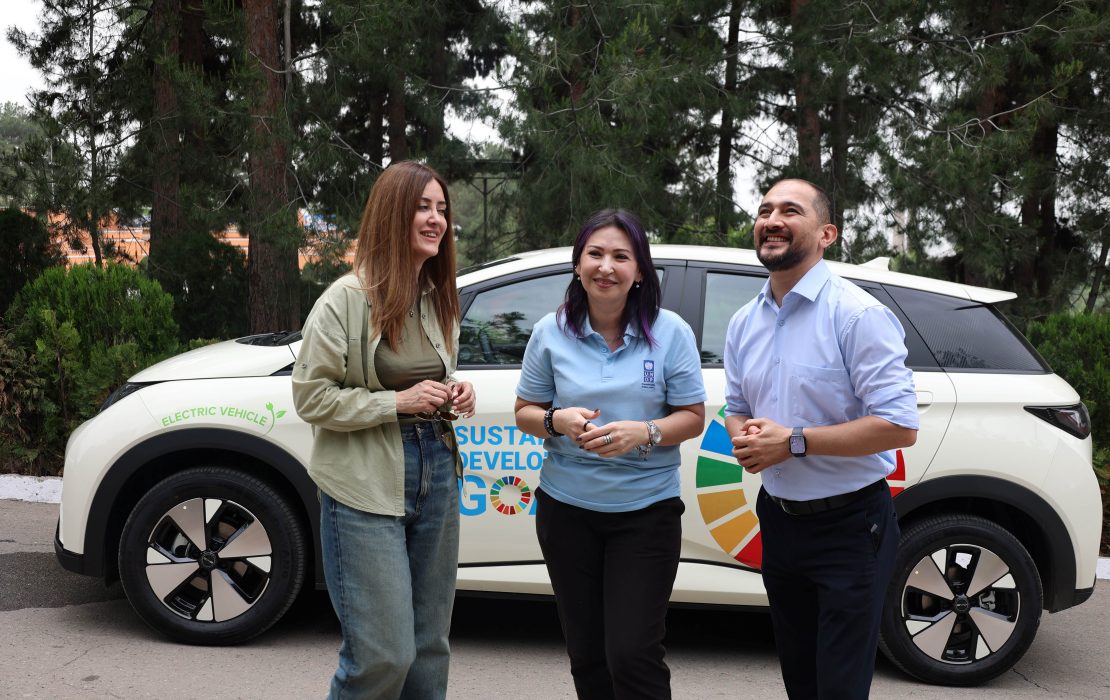
In Tajikistan, where vehicle fuel accounts for most operational emissions, UNDP has reshaped how it moves and works. By reorganizing transport systems, optimizing fleet use and integrating electric mobility, the office reduced its overall emissions by 43 percent and fuel-related emissions by 63 percent in 2023 alone.
This success stems from strong data tracking and staff engagement. A new fuel card system records consumption precisely, improving reporting accuracy and helping identify the most efficient routes and vehicles. With one central team managing all vehicle use, unnecessary trips are minimized and each journey is more efficient.
UNDP Tajikistan also became the first international organization in the country to use an electric vehicle for official purposes, earning admiration from ambassadors and peers. “Wherever we went, people would stop and ask about it,” said driver Samad Sarimsakov.
Following the trend of sustainable and greening efforts, staff are also cycling to work. “UNDP’s shift to green vehicles aligns perfectly with Tajikistan’s growing commitment to sustainability,” says Philippe Chabot, Aid for Trade Project Manager.
Building on these achievements, UNDP Tajikistan plans to introduce a city taxi subscription in 2025 for short work trips, reducing reliance on larger vehicles and further reducing emissions.
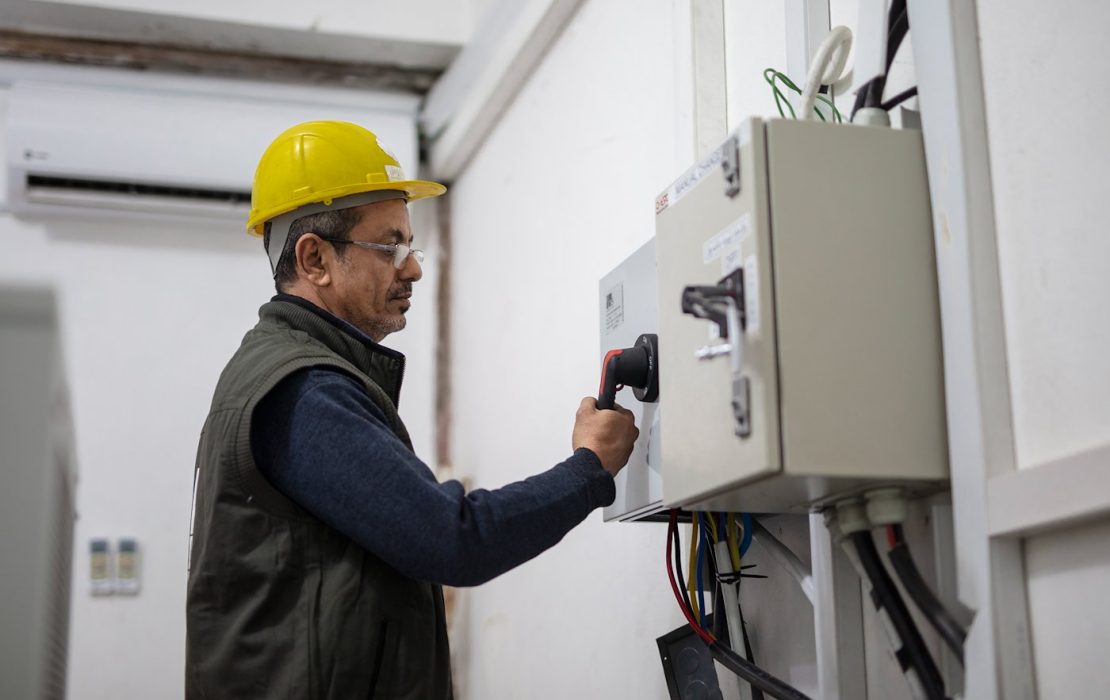
Photos: UNDP Yemen
Yemen
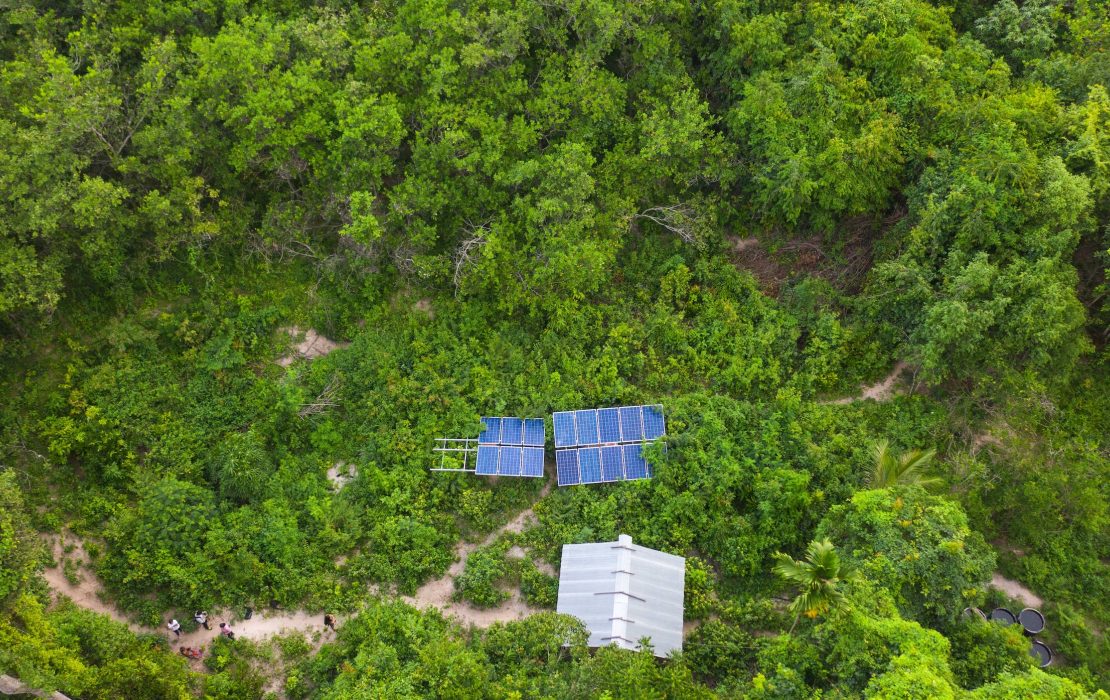
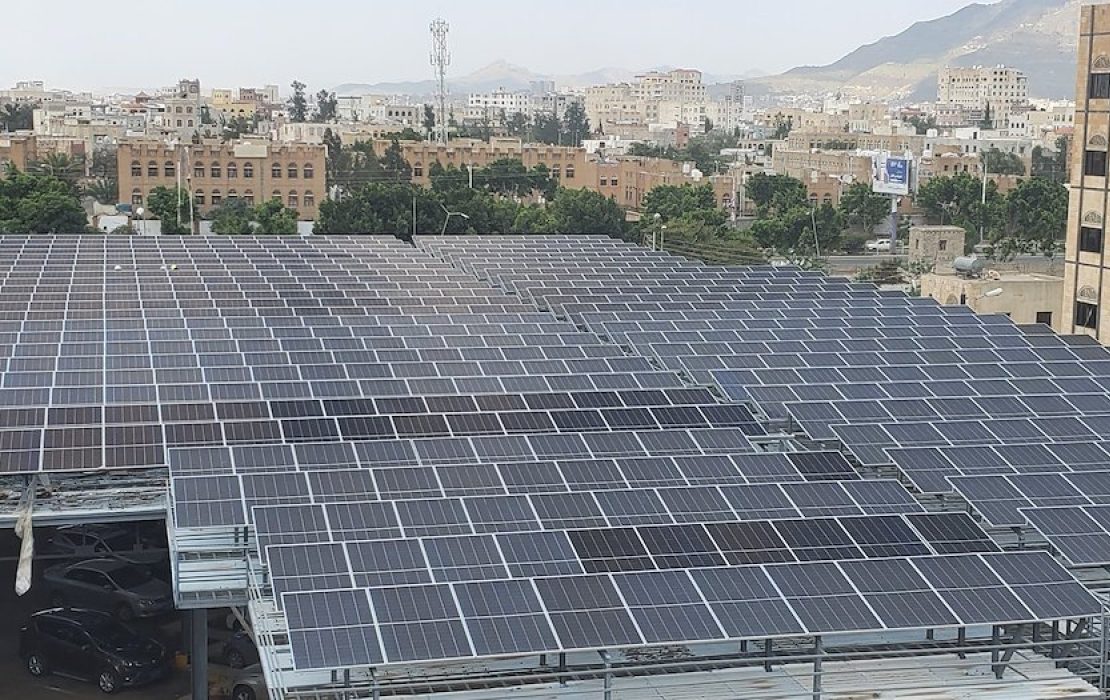
After six years of planning and construction in Yemen, UNDP’s country office in Sana’a is now powered entirely by solar energy, the largest solar installation of its kind in the country. A total of 769 panels cover an area equal to six basketball courts, generating 457 kWp of clean power.
This achievement comes in one of the world’s most challenging energy contexts. Yemen has the lowest electricity access rate in the Middle East, with less than half of the population connected to the grid. Years of conflict and fuel shortages have made power outages routine, leaving hospitals, schools, businesses, and households struggling to function. Diesel generators, once a lifeline, have become unaffordable for most families as fuel prices increased sharply.
The solar system now provides uninterrupted and affordable power to UNDP’s operations. It avoids more than 625 tonnes of CO₂ emissions each year and saves about 61,000 gallons of diesel. The annual savings, which amount to around $410,000, will recover the investment within five years and free up resources that could instead provide 1.2 million vaccines, 39,000 schoolbooks or 354,000 family meals.
Local partners were trained to install and maintain the system, creating new skills and resilience that will outlast the project itself.
By ensuring reliable power through solar energy, UNDP Yemen shows that in crisis conditions, sustainability is not a luxury but a necessity that powers stability, resilience and hope. Since 2023, UNDP has also supported over 160 public facilities in Yemen to be equipped with solar systems, helping schools extend operating hours, increase student participation and reduce dropout rates. Health facilities and water systems have improved service delivery, expanded access and reduced reliance on costly diesel, while solar installations in agriculture and productive sectors have generated significant cost savings.
*
By improving the sustainability of its operations through the Greening Moonshot, UNDP remains a reliable partner in crises, using resources efficiently every day and continuing to deliver for people and the planet. See more stories on our Greening Moonshot by subscribing to our UNDP’s Greening Moonshot Exposure account.