
Summary
- The climate crisis has a greater impact on women and girls, particularly those in vulnerable or marginalized situations.
- Women and girls have less access to resources, services and information and are more likely to leave education or employment in the aftermath of climate shocks, while being exposed to forced displacement and gender-based violence.
- For climate policies and solutions to be transformative, they must integrate gender equality and women’s empowerment considerations throughout.
- Women and girls play a critical role in advancing climate change mitigation and adaptation. Their abilities, knowledge and leadership potential should not be undervalued.
- By integrating gender considerations into national climate plans, countries can address the distinct needs and adaptive capacities of women and men and ensure equitable access to and sharing of benefits.
Why is gender equality crucial for tackling climate change?
The climate crisis is the greatest challenge humanity has ever faced. To tackle it, countries need to take urgent action to transition to low-carbon, resilient economies and societies, while advancing sustainable development priorities.
Structural inequalities such as those based on gender, race, ethnicity, age or socio-economic background are a barrier to this transition, restraining the agency of individuals and communities to contribute to and benefit from climate action. To make matters worse, unequal access to climate change mitigation and adaptation solutions can compound or even exacerbate these inequalities, both within and between countries.
This is why, a rights-based approach, centred on empowerment, inclusion and equity, is necessary for climate action to succeed. Advancing gender equality is a critical part of this approach. By integrating gender-responsive measures into national climate plans, countries can address the distinct needs and adaptive capacities of women and men in the face of climate change impacts. They can also harness the abilities, knowledge and leadership of both women and men, while ensuring that benefits are shared equally.
How does climate change impact women and girls differently?
The climate crisis, just like nearly every other humanitarian and development challenge, has a greater impact on women and girls, particularly those in vulnerable or marginalized situations.
This imbalance stems from the unequal sharing of power and resources between women and men, the gender gap in access to education and employment opportunities, the uneven distribution of unpaid care work, the prevalence of gender-based violence, and all other forms of deep-rooted gender-based discrimination.
In many parts of the world, women rely on climate-sensitive work like agriculture to earn a living. Yet, despite playing a significant role in agricultural production, women farmers often do not have equal access to resources, technologies, services and information about adaptation measures, cropping patterns and weather events. In turn, this translates into diminished productivity and wages and increased exposure and vulnerability to climate change impacts.
Climate change impacts can also reduce access to education and the labour market for women and girls. Girls are often the first to be pulled out of education when climate shocks occur and families struggle with limited resources or an increased volume of unpaid care work. Similarly, an increasing incidence of extreme weather events can raise women’s share of household responsibilities, thus prompting them to exit the labour market. Some estimates show that climate change will push up to 158 million more women and girls into poverty by 2050.
Women’s health is also negatively affected by climate change, especially in countries where gender disparities in access to healthcare already exist. Women are at increased risk of heat-related deaths and are particularly vulnerable during pregnancy, when rising heat, air pollution and food and water insecurity can lead to birth complications.
In the aftermath of extreme weather events, which are becoming more frequent and more intense because of climate change, women and girls can be particularly vulnerable and are less likely to be able to access quality services essential for their safety and recovery.
Moreover, climate change is increasingly multiplying security risks, especially in contexts that are already fragile or affected by conflict. When conflicts occur, women and girls are particularly vulnerable due to ensuing loss of livelihoods, forced displacement, gender-based violence and the risk of sexual exploitation.
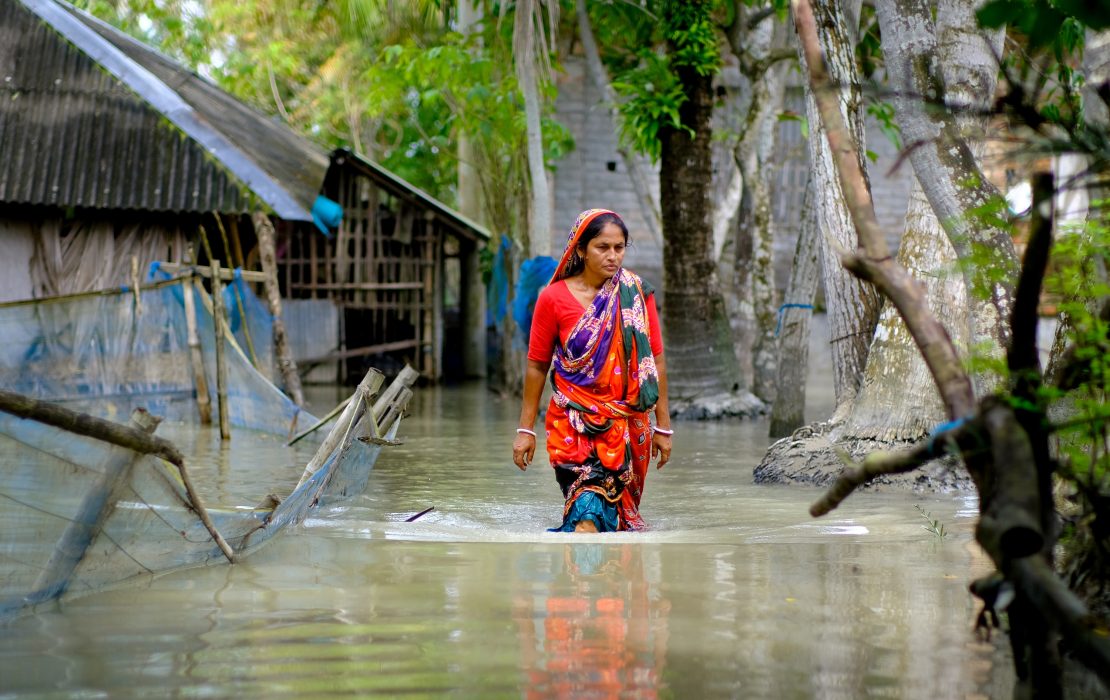
Women are key to strengthening climate resilience in their communities. Photo: Ab Rashid / UNDP Bangladesh
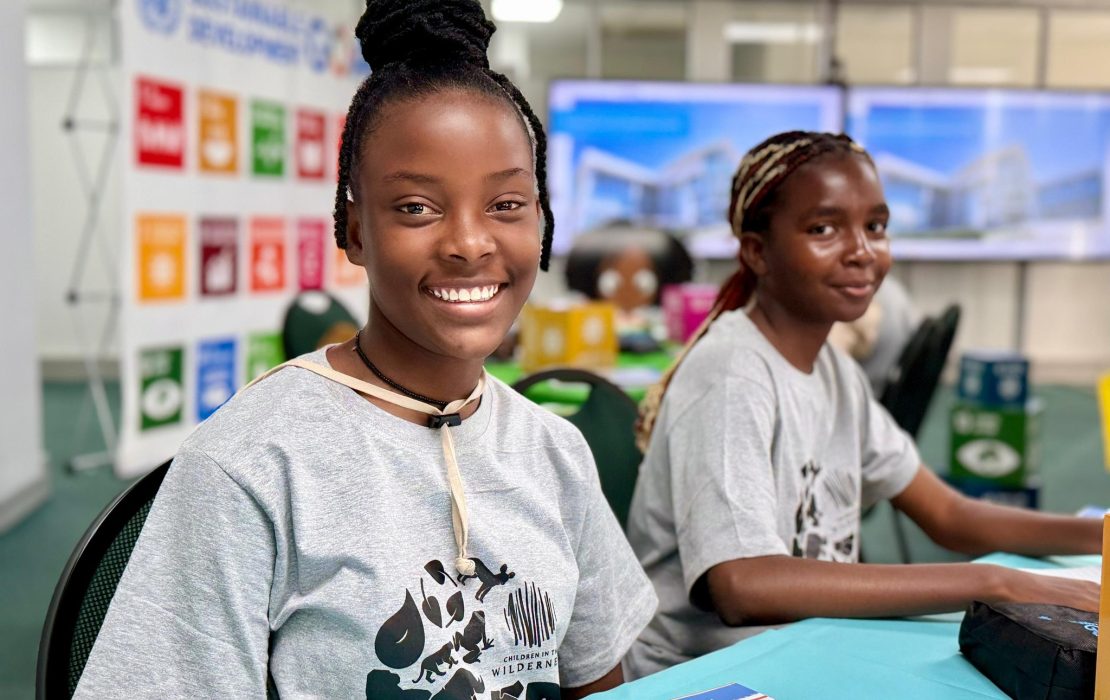
Ensuring young women and girls can participate in climate action is critical to inclusive, effective and sustainable solutions. Photo: UNDP Namibia
How does gender equality strengthen climate action?
For climate policies and solutions to be effective, they must integrate gender equality and women’s empowerment considerations throughout.
In agriculture, supporting women’s increased access to resources and information builds climate resilience and reduces the impacts of climate change on households and communities. For example, closing gender gaps in agriculture could increase global gross domestic product by nearly US$1 trillion and reduce the number of people affected by food insecurity by 45 million. Similarly, ensuring that women, especially Indigenous women, have greater participation in forest governance leads to more effective and lasting solutions to deforestation and climate change impacts.
Women are also agents of change, increasingly taking leadership roles in climate action around the world. Higher women’s political participation has been shown to lead to improved environmental sustainability. As such, addressing the gender imbalance in decision-making structures can help drive the adoption of climate policies and ensure they respond to the needs of women and girls as well.
Moreover, women’s local knowledge of sustainable resource management and their community leadership play a critical role in advancing climate change mitigation and adaptation. They are also important for recovery and resilience across sectors, from water management and food security to nature-based solutions and circular economy. For example, Indigenous women are at the forefront of environmental conservation through ancestral practices that build resilience, such as preserving biodiversity and seed varieties or using natural methods to boost soil fertility.
How are countries integrating gender considerations in climate action?
In 2014, at COP20, countries established the Lima Work Programme on Gender, aiming to coordinate efforts to better integrate gender considerations in climate policies and action. This was later extended by five and then ten years at COP25 and COP29, respectively, becoming the Enhanced Lima Work Programme on Gender.
In 2025, to implement the vision of this programme, countries adopted the Belém Gender Action Plan at COP30. Designed as a tool to promote greater policy coherence and help accelerate gender-responsive climate action, the plan outlines concrete actions in key areas such as care work, health, violence against women and girls, safety protection mechanisms for women, nature-based solutions and ecosystem-based adaptation.
As countries work on revising and implementing their Nationally Determined Contributions (NDCs) under the Paris Agreement, they must ensure that barriers to women’s leadership and meaningful participation in climate action are removed and that their rights, power, knowledge and skills are recognized and enhanced. They must also strengthen women’s central roles in building a low-carbon, resilient and inclusive global economy, including through dedicated climate finance and budgetary allocations. Doing so not only advances gender equality but also acknowledges women as agents of change who are vital to delivering more ambitious climate action.
When countries develop climate policies or plan climate action, a crucial first step is conducting a gender analysis. This helps identify where inequalities and gender gaps exist and where to take relevant measures. Considering intersectionality is an important part of this. Climate solutions are most effective when they move beyond addressing only biophysical risk factors to consider how social and cultural factors such as gender, age, ethnicity, physical ability or socio-economic background influence how individuals, households, and communities experience climate change. Once governments better understand the relative distribution of resources, opportunities, constraints and power in a particular context, they can develop more effective, evidence-based climate policies and actions.

Indigenous women's knowledge and abilities are critical for climate solutions. Photo: Roxana Auhagen / UNDP
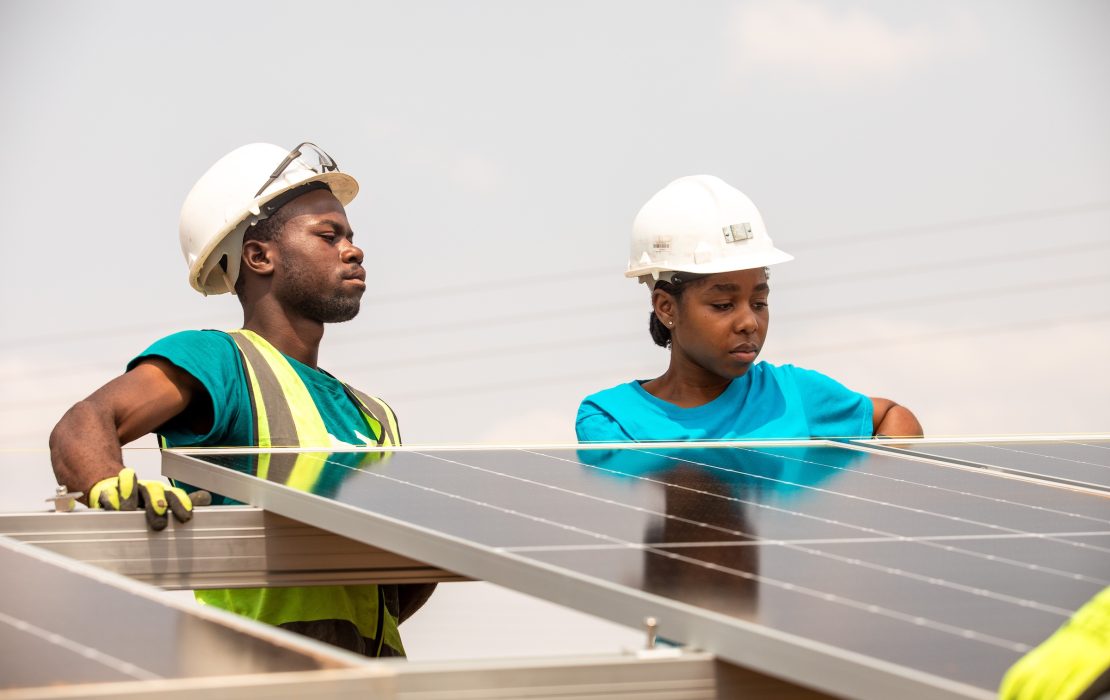
Countries around the world need to embrace a just transition, creating green jobs for women and men. Photo: UNDP Zimbabwe
What are some of the challenges limiting gender-responsive climate action?
One of the main challenges countries face when trying to integrate gender considerations in their climate policies and action plans is the lack of gender-disaggregated information and data, which limits the understanding of how climate impacts affect women and men and how specific measures benefit different groups. Therefore, data collection on climate adaptation and mitigation should include specific indicators on gender disparities and gaps as well as gender-differentiated impacts. One emerging way to collect and analyze data revolves around using artificial intelligence (AI). While AI-generated data holds significant potential to help identify and address gender gaps and inequalities, it also carries the risk of perpetuating gender biases, so it is important to ensure that AI systems have strong ethical frameworks based on inclusivity and transparency.
There are also persistent barriers limiting women’s access to climate finance. Climate financing frameworks and strategies do not always include specific measures to ensure that women have access to and benefit from the investments made in climate action and that they can fully participate in the transition to a low-carbon economy. Countries should provide women with access to high-quality, new, debt-free climate finance grants that are also free from economic conditions, support vulnerable communities and help incentivize broader gender equality and social inclusion.
Furthermore, the limited participation of women’s groups and civil society organizations in climate change policy processes has meant that climate action planning and implementation is not always gender-responsive. Creating partnerships with these groups and organizations can help ensure that climate action is gender-responsive, deliver capacity development, and communicate national climate priorities and actions to the wider public. Such organizations are also well-placed to combat societal norms and stereotypes that restrict women’s involvement in climate action, through an intersectional lens, encouraging women’s leadership and meaningful participation and engagement across different groups.
In addition, in many countries, Indigenous women’s knowledge is a key element of climate solutions. But this knowledge is sometimes at risk as efforts to recognize, assess, apply and preserve it are limited. To ensure that climate action is more effective and contextually relevant, with local ownership and larger impact, increased recognition and conservation of Indigenous women’s knowledge is needed.
Another challenge is the lack of policy coherence across sectors and the insufficient coordination between government ministries and structures which can make integrating gender considerations in climate action difficult. To address this, countries need to improve coordination mechanisms between ministries and make budget allocations that focus on building institutional capacities to advance gender-responsive climate action.
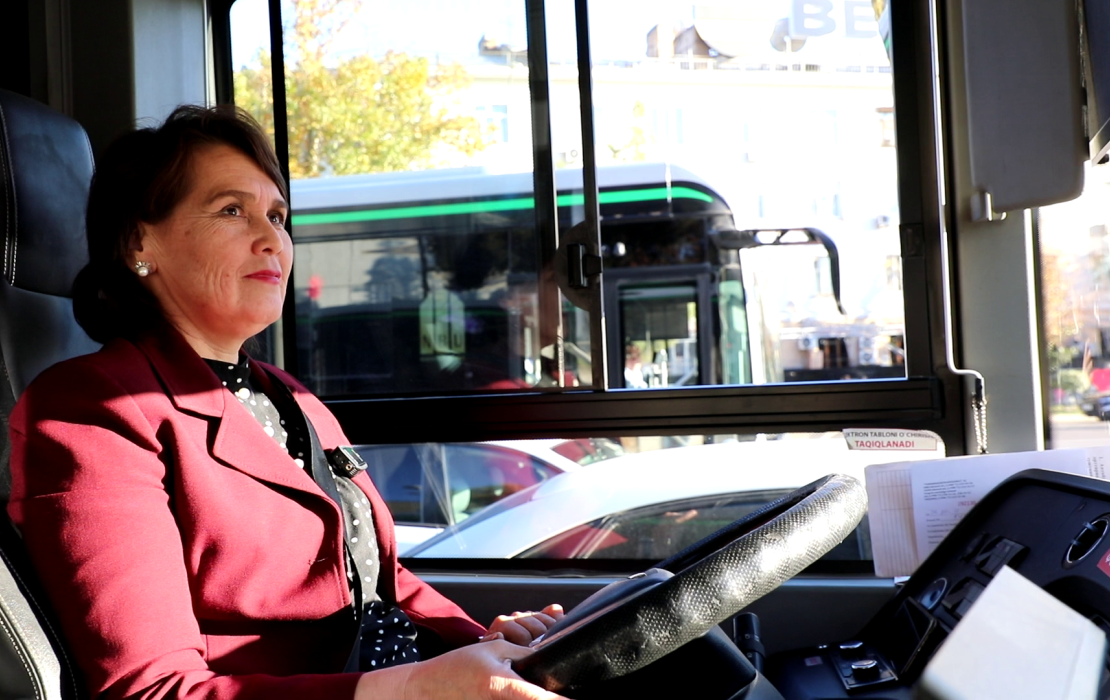
Women can now drive electric buses in Uzbekistan and participate in the transition to low-emission transport. Photo: UNDP Uzbekistan
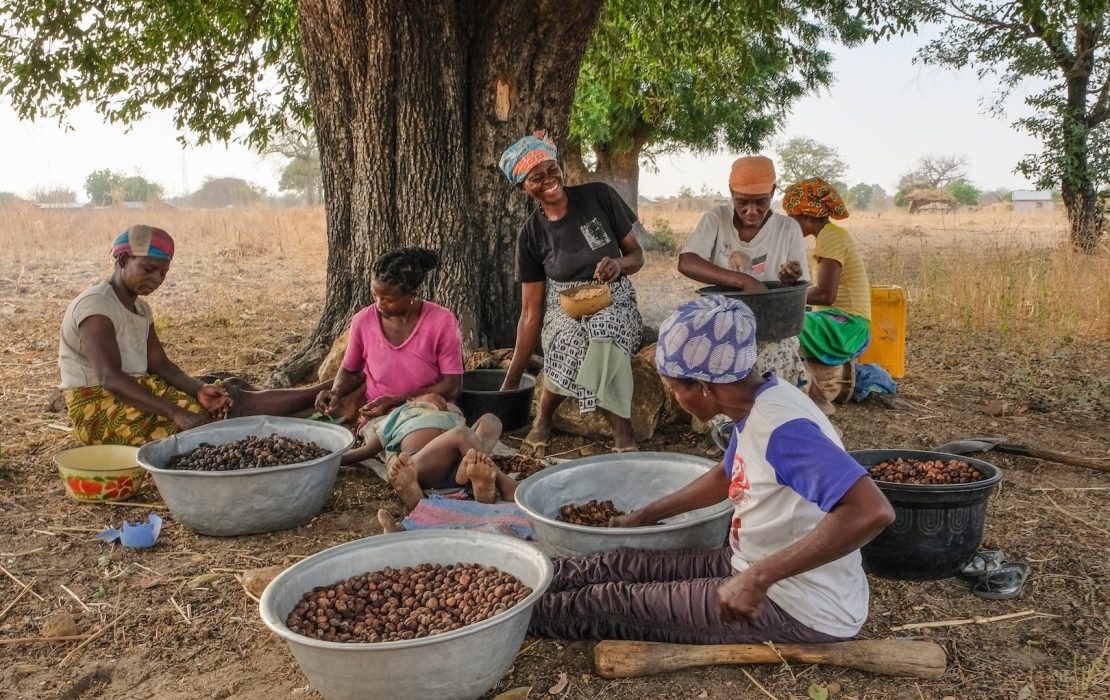
The restoration of Shea parklands helped improve women's lives in Ghana. Photo: Axel Fassio / CIFOR
How is UNDP supporting countries to advance gender-responsive climate action?
UNDP works to put gender equality at the heart of climate action, recognizing that persistent gender gaps are barriers to climate resilience, while women’s empowerment and gender equality are transformative and essential to the systemic shifts necessary to building a just and sustainable future for all.
With national counterparts and stakeholders, UNDP helps strengthen capacities for effective governance, inclusive planning and integrated policy frameworks to better facilitate gender-responsive climate action and gender equality results.
Under Climate Promise 2025, UNDP has supported over 100 developing countries to update their third-generation NDCs, out of which 94 percent have integrated gender equality and social inclusion considerations. This support used a range of key entry points, from strengthening institutional capacity and coordination to facilitating women’s access to finance and supporting their effective participation and leadership in climate action.
In Bangladesh, with funding from the Green Climate Fund (GCF), UNDP has helped strengthen the climate resilience of more than 337,000 women, providing them with alternative livelihood options, such as hydroponic vegetable farming and salinity-resilient crab and fish farming, and access to safe water through more than 13,300 rainwater-harvesting tanks. Women also took on essential roles in maintaining and fixing the water tanks and created women-led volunteer groups for disaster response. These interventions have shifted gender norms, elevating women as leaders, decision-makers and agents of resilience in their communities.
The Forestry Commission of Ghana, in partnership with the Global Shea Alliance and UNDP, and with funding from the GCF, has supported over 6,000 women to gain new skills in cultivation, business and cooperative management within shea parkland restoration activities. In 2025, to measure, verify and certify real change in the lives of the women and their families as a result of these activities, UNDP, with support from the UN-REDD Programme, applied the W+ Standard. Nine in 10 of the women who were surveyed reported income increases, which they mainly used for consumption goods, education and health care. Moreover, more than half of the surveyed women reinvested in their businesses, indicating a balance between welfare and the productive use of funds.
In Uzbekistan, with funding from the Global Environment Facility (GEF), UNDP helped modernize urban transport by introducing electric buses and initiating critical policy reforms that removed barriers to women’s participation in the sector. As a result, a law that restricted women to operating only small-capacity vehicles was amended in 2024, granting women the right to drive large buses and heavy vehicles. Following this milestone achievement, UNDP is training 50 women as professional bus drivers, helping them break gender stereotypes and be part of the transition to low-emission transport systems.