

Photo: Jaquelino Magno/UNDP Timor-Leste
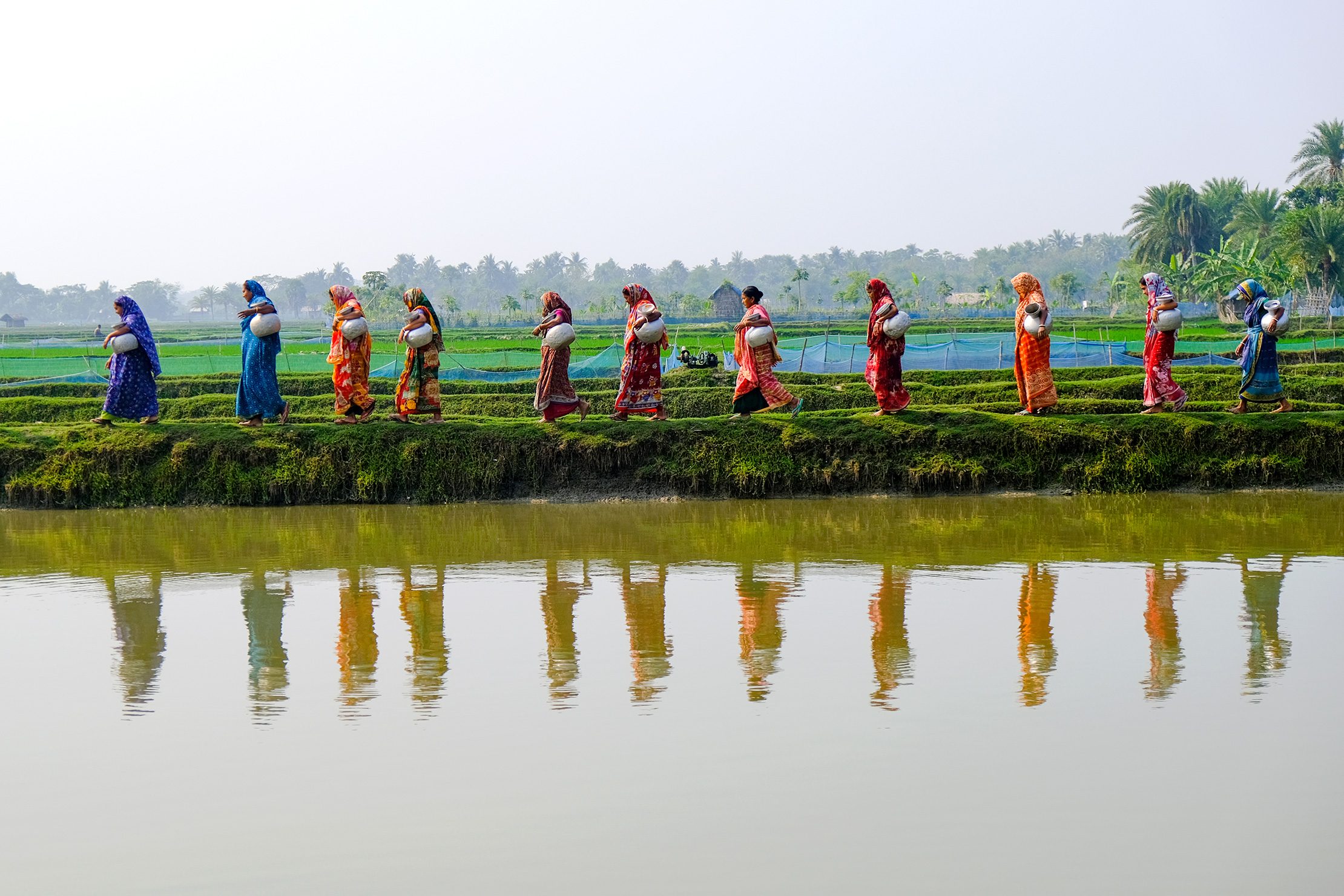
Photo: AB Rashid/UNDP Bangladesh
Bangladesh
Along Bangladesh’s southwest coast, climate change is making safe freshwater increasingly scarce. Rising sea levels and stronger cyclones are pushing saltwater deep into rivers, ponds and groundwater, contaminating traditional water sources. For women and girls in these communities, the impacts are often felt first and most sharply, leaving them exposed to a number of risks.
To address this growing challenge, the Government of Bangladesh, with support from the Green Climate Fund and UNDP, is implementing a project aimed at strengthening the resilience of climate-vulnerable coastal communities – particularly women – through an integrated package of livelihood diversification, water security and institutional capacity-building.
In the past seven years, the initiative has reached almost one million people in climate-vulnerable coastal districts, over half of them women.

Photo: UNDP Bangladesh
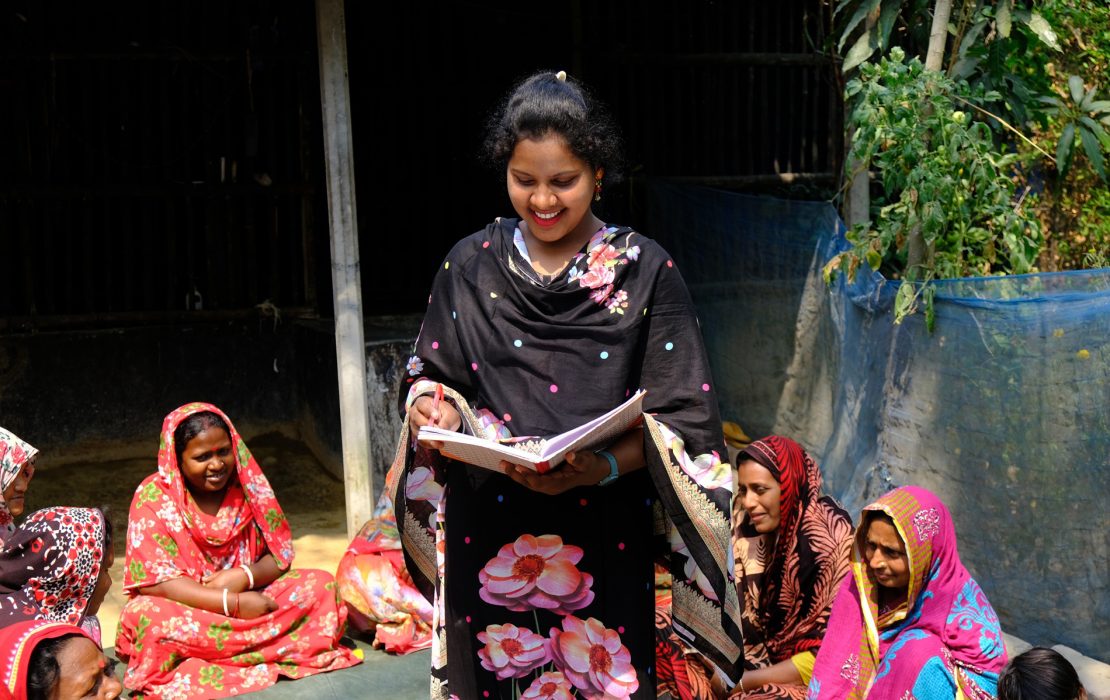
Photo: UNDP Bangladesh
A central focus has been expanding access to climate-resilient drinking water systems designed to withstand salinity and climate shocks. By 2025, more than 13,400 rainwater harvesting systems were installed, providing year-round safe drinking water to tens of thousands of people in coastal communities where freshwater sources have become increasingly unreliable.
Twenty-five pond-based ultra-filtration systems were also installed, providing safe drinking water access to approximately 5,000 households. The systems draw water from nearby ponds and pass it through a multi-stage filtration process, which removes pathogens, solids and other contaminants. Powered by solar energy, the systems are designed with elevated platforms, protective housing and flood-resilient structures to withstand extreme weather.
Women are playing a leading role in managing the rainwater harvesting systems and ensuring their long-term sustainability. In many communities, trained volunteers known as Paani Apas — or “water sisters” — help monitor water points, promote safe water use and support households to adapt to salinity and climate risks.
Many water facilities are overseen by water management committees that are mostly run by women, who make up 85 percent of members. These committees help ensure that water systems remain functional and locally managed.
Together, these efforts are helping coastal communities secure safe water in a changing climate, while strengthening women’s leadership in water management.

Photo: Julio Guterres/UNDP Timor-Leste
Timor-Leste
In Suco Fatulia, a farming community in the rural highlands of Timor-Leste, farmers have long lived with uncertain access to water. Without a reliable irrigation system, agriculture depended heavily on rainfall and remained highly vulnerable to climate variability and climate change impacts.
A turning point came in 2023, when the Government of Timor-Leste, with support from the Green Climate Fund and UNDP, rehabilitated a 450-metre irrigation channel under a project aimed at safeguarding rural communities from climate-induced disasters. The upgraded system includes a new intake structure, water control gates, 415 metres of stone masonry lining and slope-stabilization works using gabion walls to protect the channel from erosion. Alongside these infrastructure improvements, the project introduced nature-based solutions, planting more than 18,600 trees across more than 20 hectares of farmland to stabilize soils and protect water sources.
Today, more than 1,000 people across three communities use the new irrigation system, transforming what was once seasonal farming into a more stable and predictable livelihood.
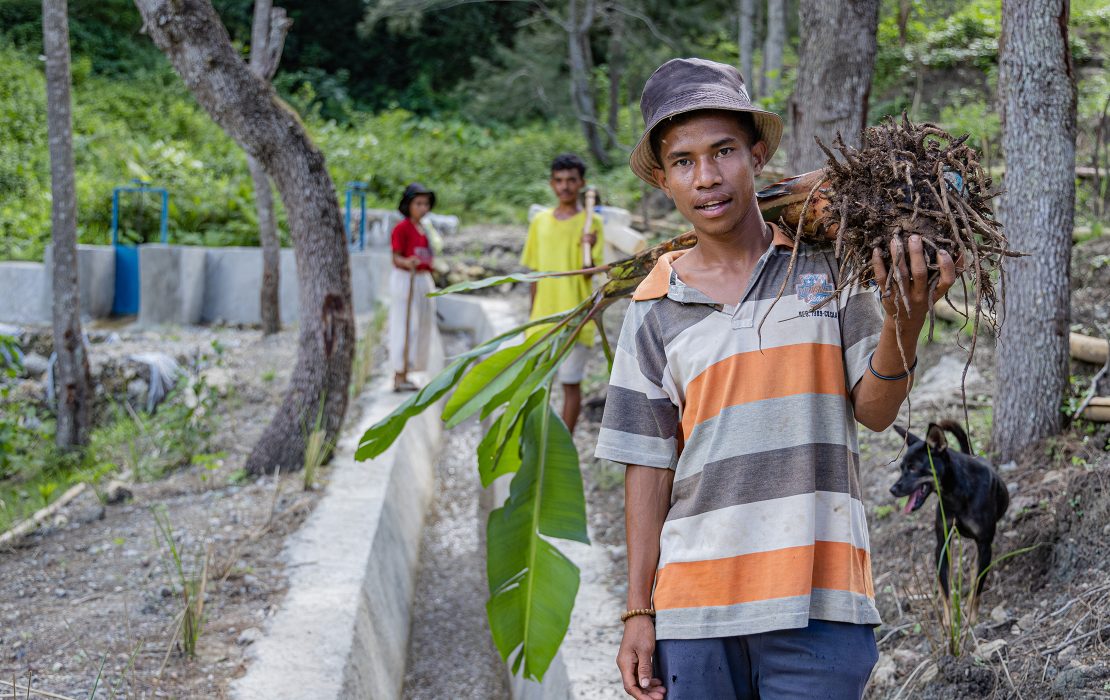
Photo: UNDP Timor-Leste
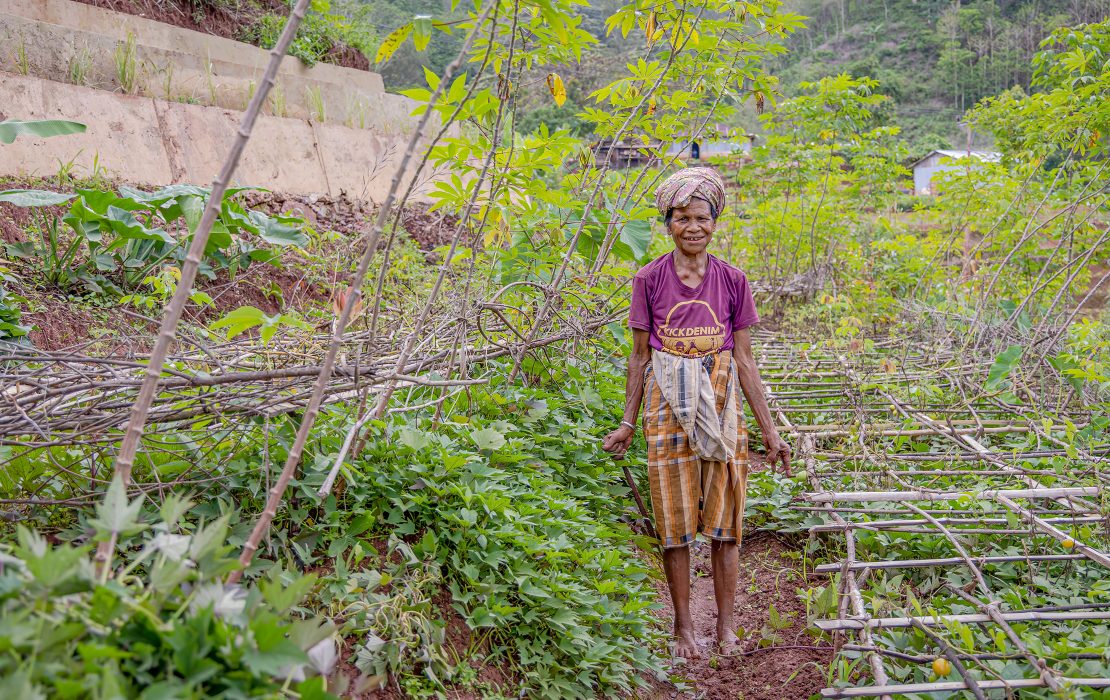
Photo: UNDP Timor-Leste
With reliable irrigation, farmers can now grow rice alongside maize and vegetables and cultivate crops beyond the main rainy season. The new irrigation system has also reduced the labour required to collect and transport water, easing daily burdens for women and girls, who often had to walk long distances to fetch water for their families. Instead of carrying water manually across long distances, farmers can now rely on controlled irrigation channels to distribute water efficiently across their fields.
Some beneficiaries have used irrigation water to plant fruit and timber trees through the project’s agroforestry initiative, creating backyard nurseries that provide a sustainable source of food and income.
Beyond improving agricultural productivity, the irrigation system is helping restore the surrounding ecosystem. Tree planting and soil-bioengineering measures reduce erosion, improve groundwater recharge and strengthen the resilience of the entire watershed. For families in Fatulia, reliable water has turned farming from a gamble with the weather into a livelihood they can plan around.

Photo: UNDP Bhutan
Bhutan
In the mountain valleys of Bhutan, farmers have long relied on predictable monsoon rains to nourish their crops. But climate change is disrupting those cycles. Women have been among the most affected, as they play a central role in agriculture while also bearing primary responsibility for collecting water and managing household needs – spending long hours managing fields, collecting water and maintaining irrigation channels.
In the district of Wangdue Phodrang, water scarcity has shaped daily life for years. Drying springs and limited irrigation meant large areas of farmland lay abandoned, leaving farmers unable to cultivate their land and forcing some families to seek opportunities elsewhere. Sumcho Pem, a farmer from Phangyul community, recalls how most of her fields remained unused for years because there simply was not enough water to farm.
Recognizing the growing risks climate change poses to farming communities, the Royal Government of Bhutan, with support from the Green Climate Fund and UNDP, launched a project aimed at enhancing the resilience of smallholder farms to climate change, especially variation in rainfall and frequent occurrence of extreme events.
Over six years, the initiative worked across eight climate-vulnerable districts to strengthen water security by expanding access to irrigation. A total of 36 irrigation schemes and one solar-powered lift irrigation system were constructed or rehabilitated, bringing water to 6,366 hectares of farmland and benefiting more than 31,000 farmers.
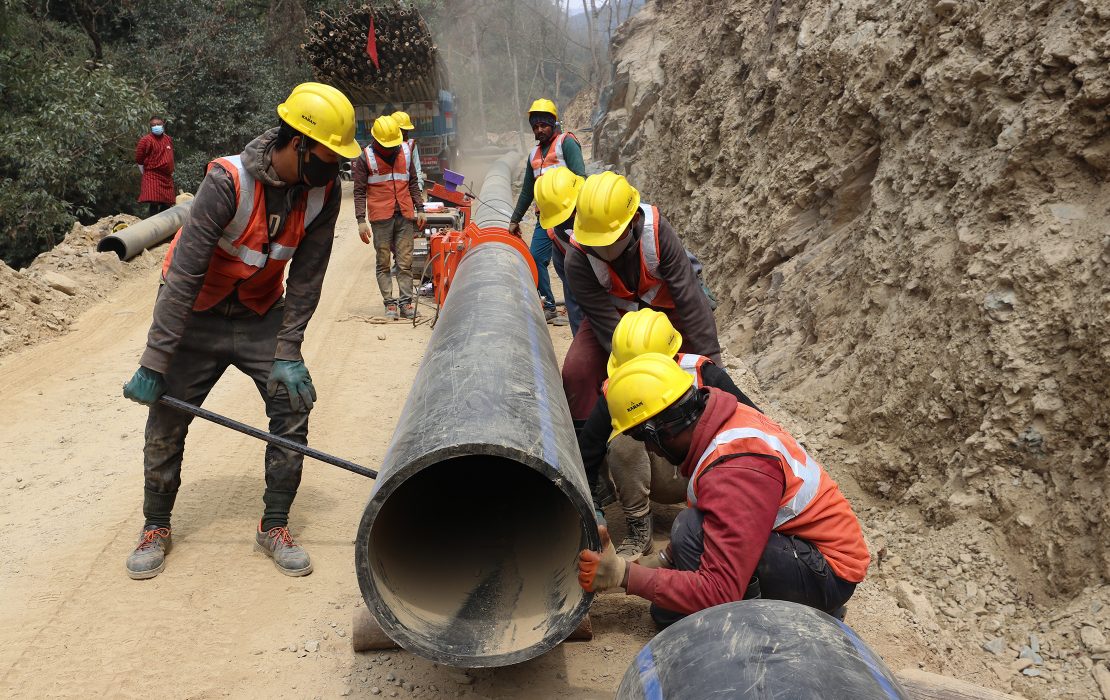
Photo: UNDP Bhutan

Photo: UNDP Bhutan
The project also supported communities to restore soils and stabilize slopes through sustainable land management practices, protecting more than 5,000 hectares of farmland from erosion and climate-driven land degradation.
Women have been central to these efforts. Many participate in the dozens of water user associations established under the project to manage irrigation systems and coordinate water distribution. Improved irrigation has also reduced the physical burden of maintaining traditional channels — freeing up time for women farmers while improving agricultural productivity.
For 88-year-old Gyem, who spent a lifetime hoping to see water reach her village, the transformation is deeply personal. “It’s a dream come true,” she says. “I led a tough life without water, but I am happy that the younger generation will not have to endure the problem. I tell my children that we now cannot afford to leave our land fallow."
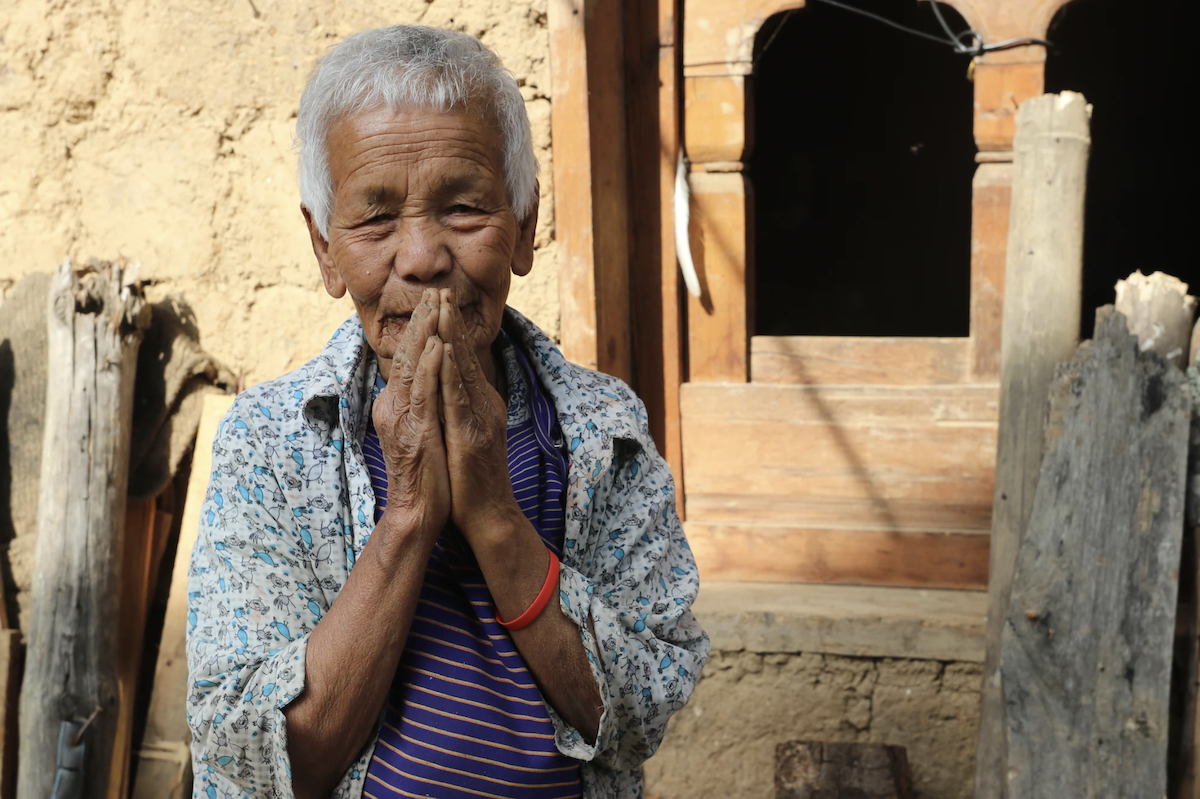
Photo: UNDP Bhutan
Water security is the foundation of climate resilience
The experiences of these three countries point to a clear lesson: strengthening water security is one of the most powerful ways to help people adapt to climate change. Investments in climate-resilient irrigation, rainwater harvesting and watershed protection are helping farmers stabilize harvests, safeguard drinking water and reduce the hours women and girls spend collecting it.
Reliable water unlocks opportunities for farmers, families and entire communities.
As climate impacts intensify, expanding access to climate-resilient water systems will be essential not only for protecting livelihoods today, but for ensuring that rural communities can prosper in the decades ahead.