0.16%
Share of global GHG emissions
Based on data from Climate Watch (CAIT 2022), developed and maintained by the World Resources Institute. #48
Climate Vulnerability Index ranking
A higher number means a higher vulnerability to climate change. Based on the ND-GAIN Index (2023), developed by the University of Notre Dame. #104
Human Development Index ranking
A lower number means a better human development score. Based on the Human Development Index (2023), developed by UNDP. NDC Status
Mongolia submitted its third NDC in September 2025.
Key highlights from the NDC
- Mongolia's third NDC commits to an economy-wide, target covering the main gases (CO₂, CH₄, N₂O) and all sectors, with an unconditional reduction of 23.0 percent by 2030 and 30.3 percent by 2035 (excluding LULUCF), compared to business-as-usual (BAU).
- Including forest removals, this target reaches 46.3 percent net (unconditional) and up to 52.8 percent (conditional) by 2035.
- The NDC aligns with Mongolia's 2050 net-zero commitment and ongoing Long-Term Low Emission Development Strategy (LT-LEDS) work. Compared to the previous NDC, the new NDC sets higher net ambition by 2035.
- Adaptation is strengthened and structured around 10 priority sectors (biodiversity, water resources, forests, extreme weather events, animal husbandry and pastureland, arable farming, public health, social protection and livelihood, education, and culture), with quantified targets such as expanding protected areas towards 33.1 percent by 2035 (conditional).
- On cross-cutting priorities, the NDC emphasizes inclusive and gender-responsive approaches, including participation of women and men, youth, persons with disabilities, vulnerable groups and Indigenous groups. It also signals alignment with broader national planning instruments (e.g., National Adaptation Plan [NAP] and National Biodiversity Strategy and Action Plan [NBSAP]), reinforcing a climate-nature development nexus.
- On finance, Mongolia estimates total third NDC implementation needs at $14.84 billion ($9.64 billion mitigation; $5.2 billion adaptation), with adaptation largely conditional (66 percent) and expected to rely heavily on international support, complemented by domestic budgets, Public-Private Partnerships, and strengthened public financial management tools (e.g., climate budget tagging).
- UNDP supported Mongolia's third NDC development through the second NDC stocktake, adaptation analysis, integration of gender considerations and identifying opportunities in AFOLU sector, alongside broader development partner support (including FAO, IOM, UNESCO, UN-Habitat, UNICEF, UN ESCAP, UNFPA, WHO, UNIDO, and ILO).
NAP Status
Mongolia submitted its National Adaptation Plan to the UNFCCC in April 2025.
How UNDP’s Climate Promise is helping Mongolia
The Climate Promise is being delivered in collaboration with key partners.







Latest Updates
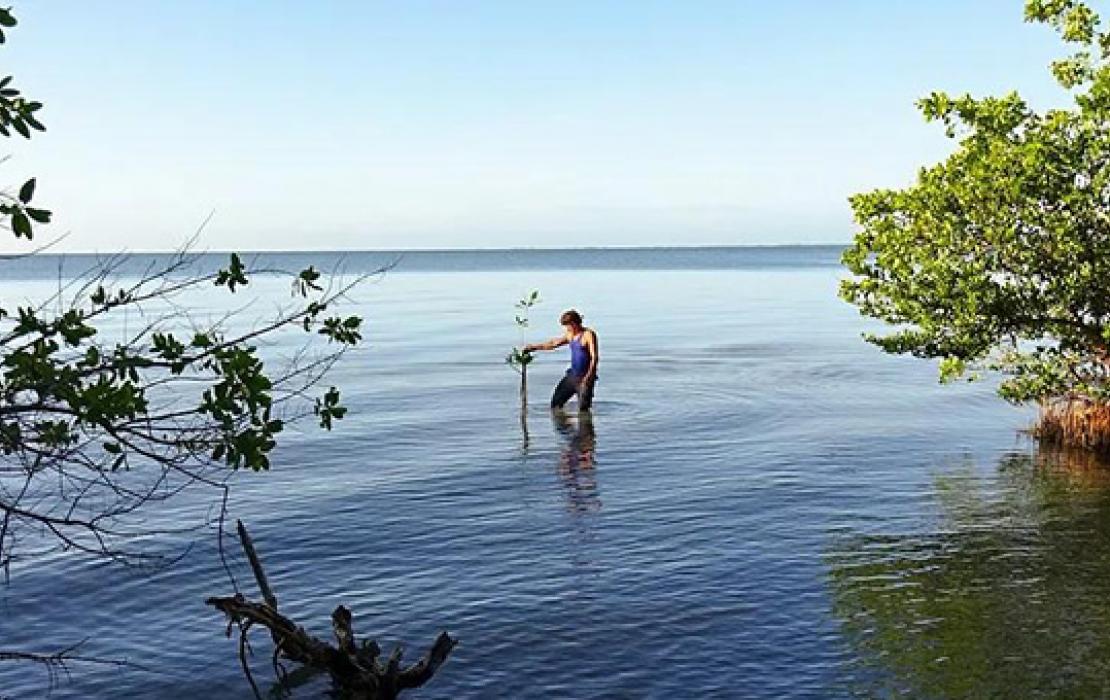
See allCommunity innovation is central to addressing the climate crisis, providing solutions that can be replicated in other parts of a country or region.
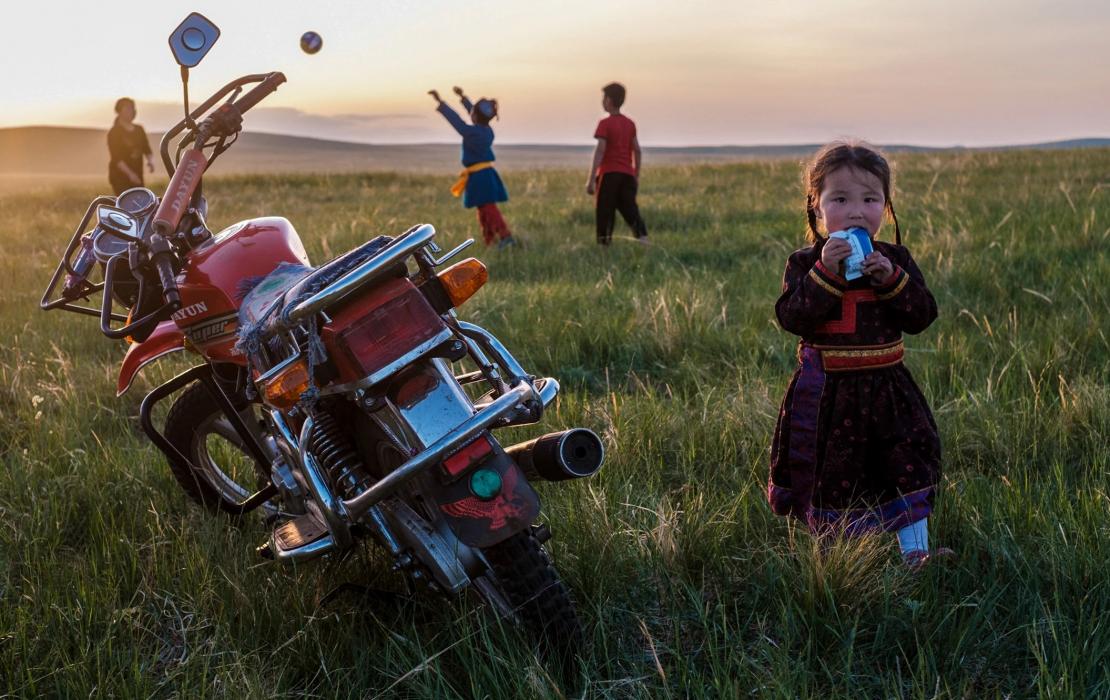
Through its national climate plans, the country is aiming to cut emissions and adapt to climate change, for a greener future.
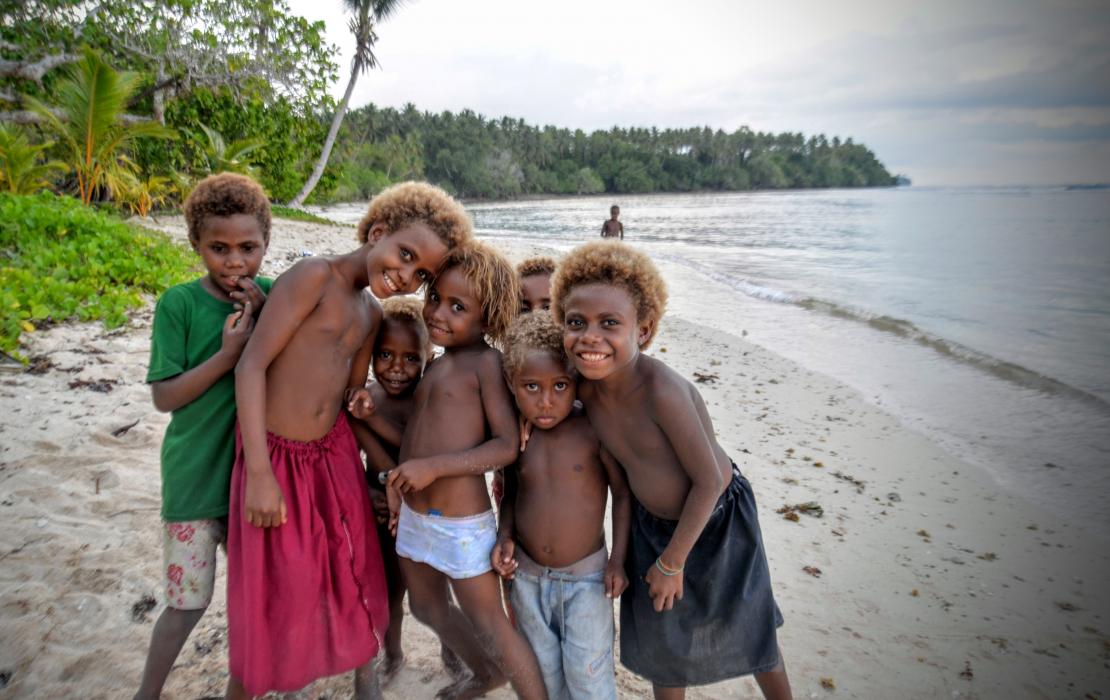
Integrated approaches for climate-resilient development supported by UNDP are improving lives and livelihoods – and protecting the planet.
Latest Publications
See allHow the SCALA programme supports countries in advancing their climate goals through policymaking in the agriculture and land-use sectors.