0.66%
Share of global GHG emissions
Based on data from Climate Watch (CAIT 2022), developed and maintained by the World Resources Institute. #18
Climate Vulnerability Index ranking
A higher number means a higher vulnerability to climate change. Based on the ND-GAIN Index (2023), developed by the University of Notre Dame. #60
Human Development Index ranking
A lower number means a better human development score. Based on the Human Development Index (2023), developed by UNDP. NDC Status
Kazakhstan submitted its third NDC in October 2025.
Key highlights from the NDC
- Kazakhstan’s third NDC is aligned with the country’s Strategy on Achieving Carbon Neutrality by 2060.
- Kazakhstan’s new NDC commits to a 17 percent unconditional emission reduction target and below 1990 levels, by 2035, and up to 25 percent with international support. The country seeks to ensure alignment with global adaptation goals and contribute further to transparency and accountability in achieving climate goals.
- The NDC emphasizes mitigation and adaptation, integrating loss and damage considerations and just transition into policy and action. Priority sectors include climate-smart agriculture, water and land management, sustainable infrastructure, and renewable energy. These sectors are supported by updated institutional and market systems, tighter carbon budgets within the ETS, enhanced MRV, and preparations for participation in Article 6. Particular attention is given to coal-dependent regions and vulnerable populations while embedding inclusivity and fairness into climate policies.
- Kazakhstan commits to a socially inclusive and gender-responsive approach to climate action. Vulnerable groups, such as women, children, elderly persons, persons with disabilities, farmers, and low-income households, are central to adaptation programs. Gender considerations are embedded into national policies, such as the Women for Just Transition Network, ensuring active participation and leadership opportunities for women. Social and economic implications of decarbonization will be managed equitably, with targeted support for workers and communities in transition, expanding opportunities in emerging sectors and prioritizing inclusivity.
- Achieving Kazakhstan’s NDC goals will require leveraging scaled-up finance. The country estimates its financial needs to be US$ 71.8 billion, representing an annual investment of 2.5 percent of its current GDP for NDC implementation in addition to what is required for a business-as-usual scenario. Kazakhstan aims to mobilize domestic public finance and private sector engagement, as well as international climate finance through multilateral funds and institutions.
- Kazakhstan’s latest NDC was supported by UNDP, FAO, UNICEF, UNITAR, and other international development partners.
NAP Status
Kazakhstan is developing a National Adaptation Plan with GCF Readiness funding and support from UNDP. The NAP project was approved by the GCF in 2024 and will be implemented until 2028.
How UNDP’s Climate Promise is helping Kazakhstan
The Climate Promise is being delivered in collaboration with key partners.






Latest Updates
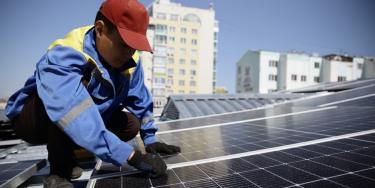
See allWith support from Japan, countries in Central Asia are advancing early warning systems and increasing resilience.
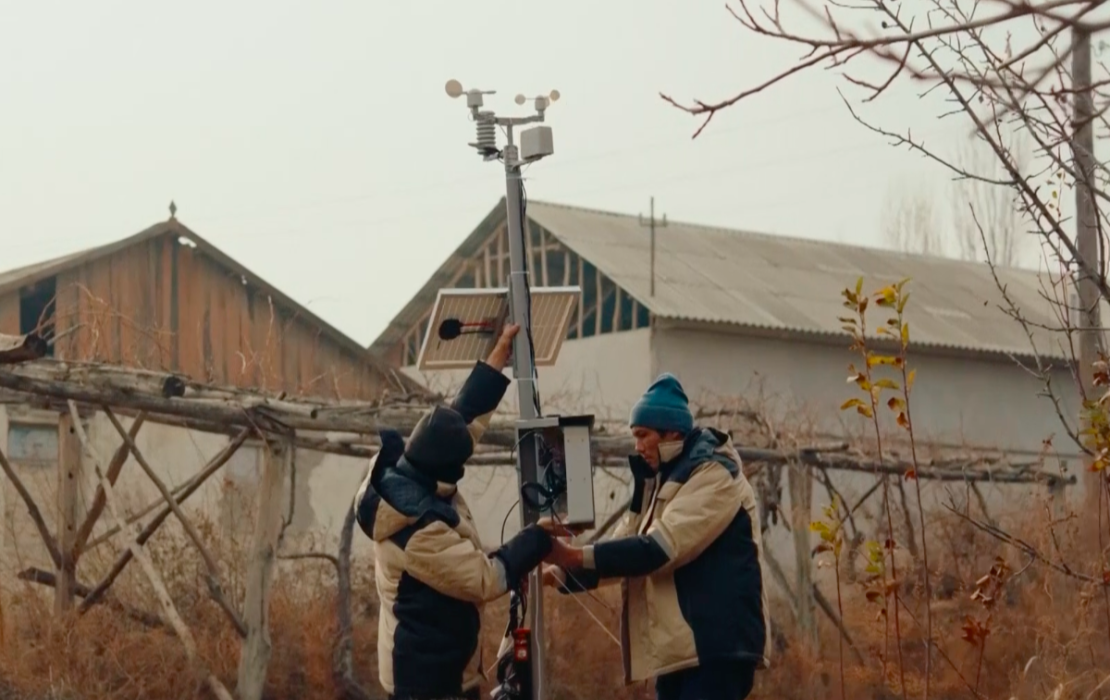
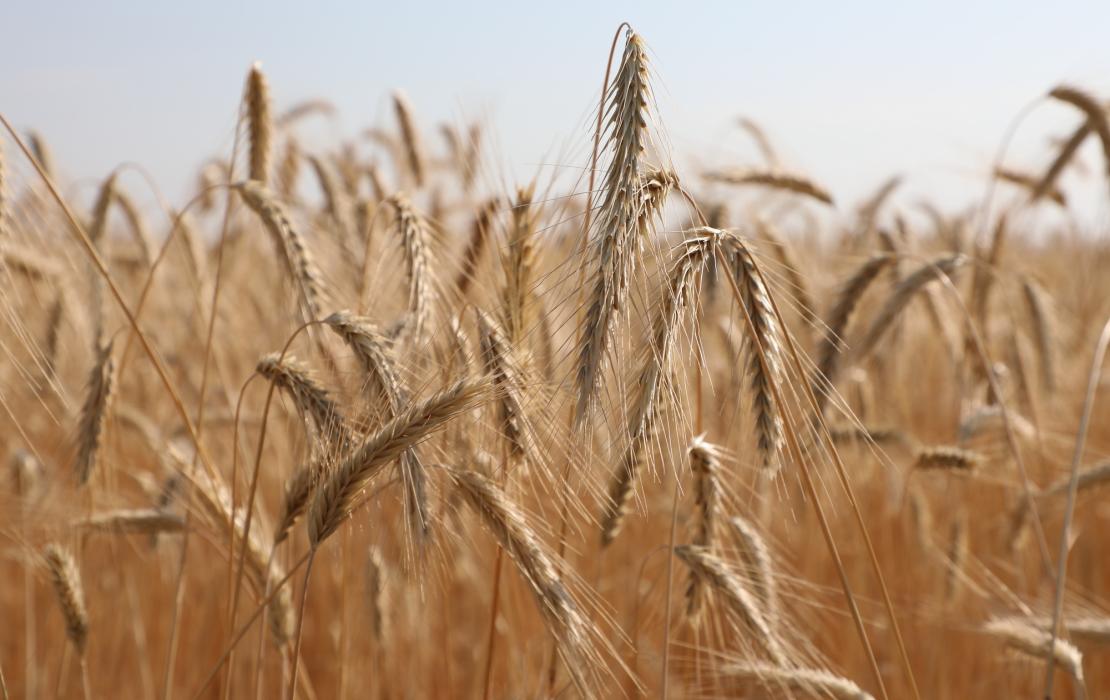
With climate change impacts intensifying, UNDP supports farmers in Kazakhstan become more resilient.

With support from Japan, farmers in Kazakhstan will pilot technologies that aim to raise agricultural productivity, while lowering emissions.
Latest Publications
See allA progress report on the Japan-funded project being implemented in 23 countries and territories under the Climate Promise initiative.