Photo: Anesu Freddy/UNDP Zimbabwe
New UNDP-supported initiative will strengthen water security, agricultural livelihoods and ecosystem resilience through catchment investment programmes across Eswatini, Zambia and Zimbabwe
Bonn, 10 April 2026 – The Adaptation Fund has approved a new US$30 million regional initiative to scale financing for locally led adaptation and nature-based solutions across Eswatini, Zambia and Zimbabwe. The programme, to be implemented by UNDP, will support vulnerable communities to strengthen water security, restore ecosystems and build climate-resilient livelihoods amid intensifying droughts, floods and land degradation.
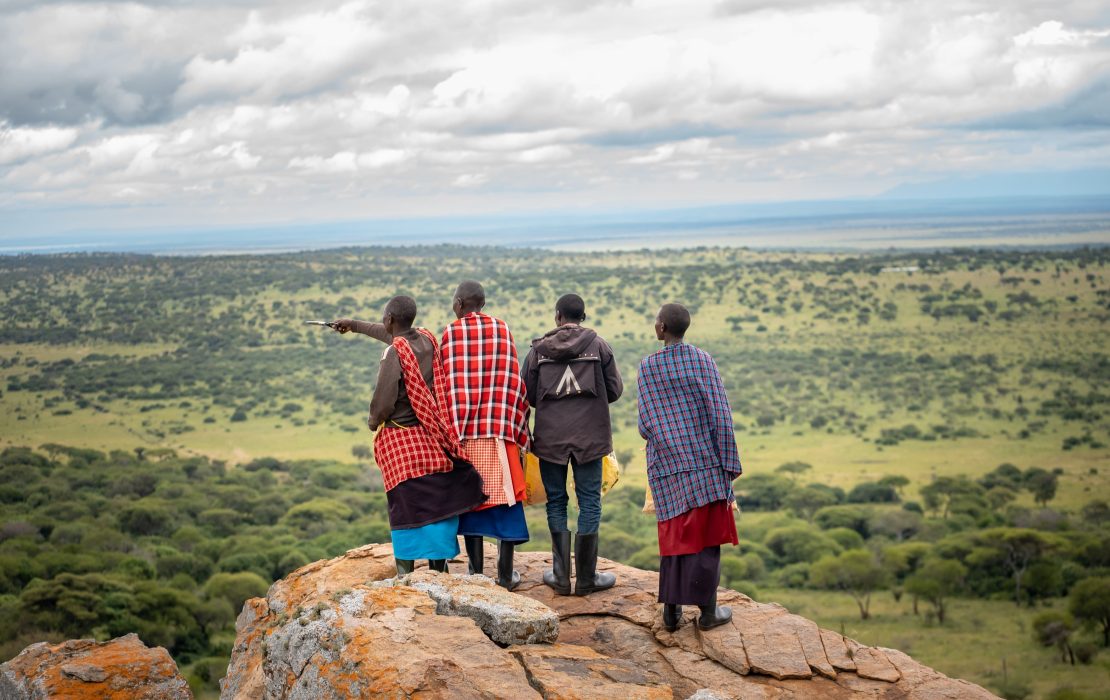
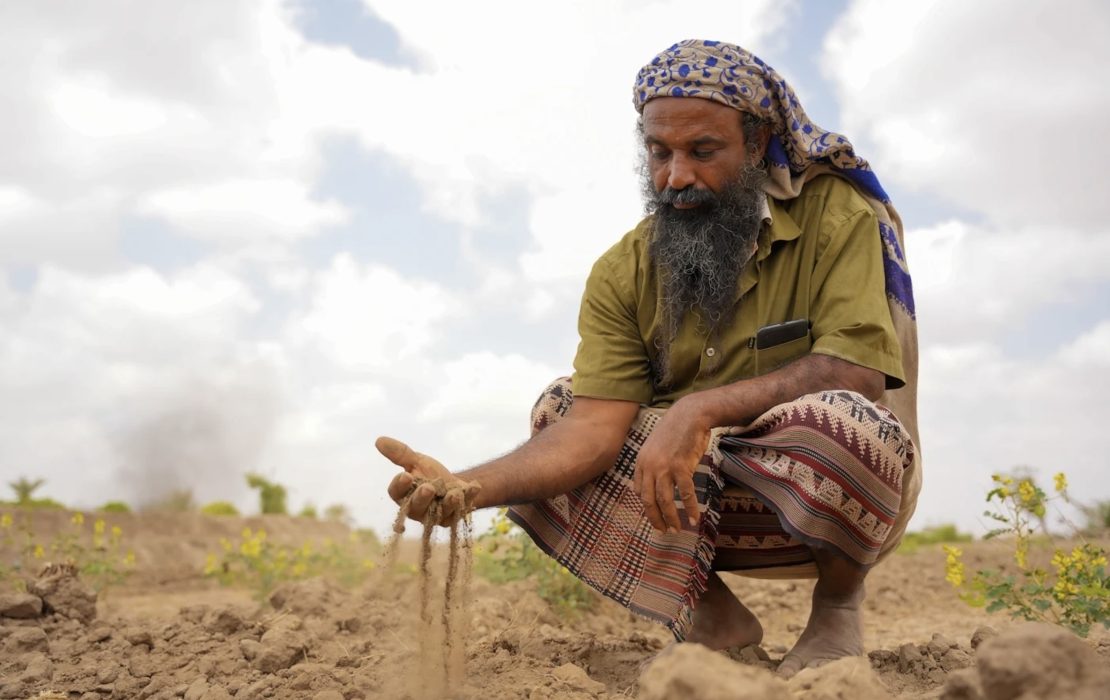
Southern Africa is increasingly affected by climate variability and extremes. Major droughts in 2015–2016 and 2023–2024 affected around 40 million and 60 million people respectively, while temperatures have risen by approximately 0.4°C per decade since 1961. Across the region’s 13 major shared river basins, these pressures are placing growing strain on water resources and livelihoods, with disproportionate impacts on smallholder farmers and pastoralists.
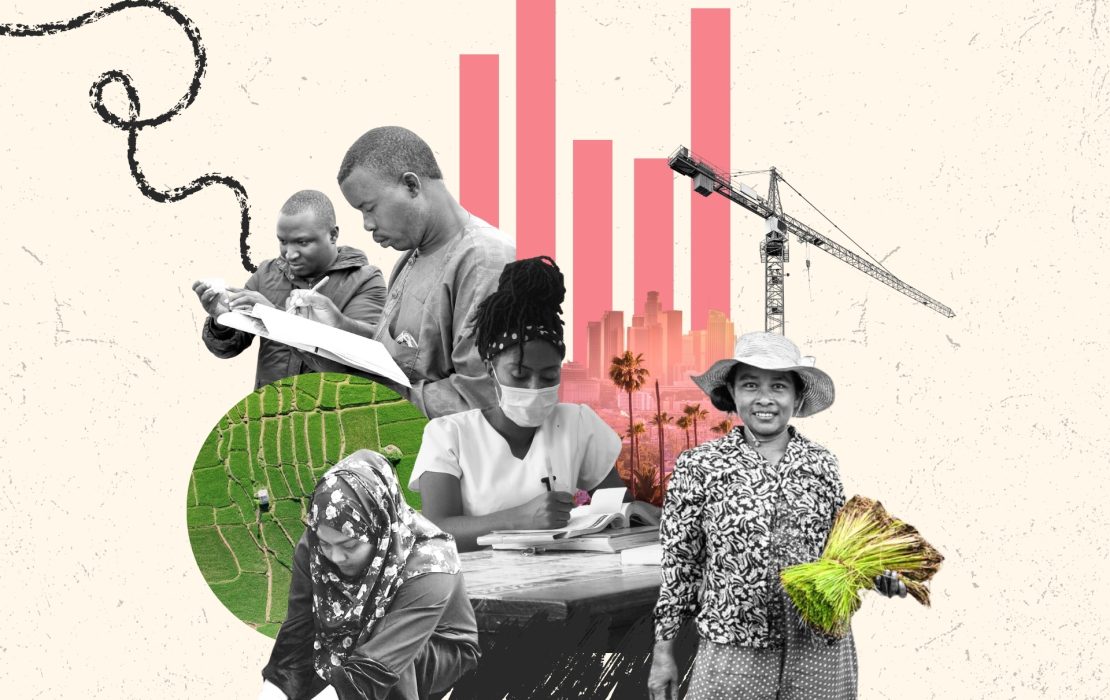
The new programme will provide direct access to finance for community organizations – including farmer groups, cooperatives, women’s associations and local enterprises – alongside technical support and planning tools to design and implement catchment-scale solutions tailored to local needs. A core objective is to combine grants with catalytic non-grant financing, such as payment for ecosystem services (PES) and climate-resilient agriculture (CRA) lending, to sustain and scale investments over time.
“We are proud to partner with Eswatini, Zambia and Zimbabwe to secure this significant funding from the Adaptation Fund,” said Marcos Neto, UN Assistant Secretary-General and Director of UNDP’s Bureau for Policy and Programme Support welcoming the news from the Board Meeting in Bonn. “By combining locally led action and nature-based solutions with innovative financing, we are helping countries translate adaptation priorities into investment-ready actions that protect lives, livelihoods and ecosystems.”
“The Adaptation Fund is committed to scaling locally led adaptation that empowers communities to strengthen their own resilience,” said Mikko Ollikainen, Head of the Adaptation Fund. “This regional programme shows how targeted adaptation finance, delivered through strong partnerships, can translate local priorities into scalable investments that address climate risks while generating lasting environmental, social and economic benefits.”
At the core of the programme are Catchment Investment Programmes (CIPs) – locally driven portfolios of adaptation investments designed at the landscape level. CIPs bring together communities, government, civil society and private sector actors to deliver coordinated, system-wide resilience outcomes across shared landscapes and water systems. By linking upstream nature-based solutions with downstream water security and economic benefits, CIPs create a practical platform for engaging water users, utilities, agribusinesses and financial institutions.
Key areas of support include:
- Nature-based solutions such as wetland and forest restoration, sustainable rangeland management, regenerative agriculture and riverbank protection;
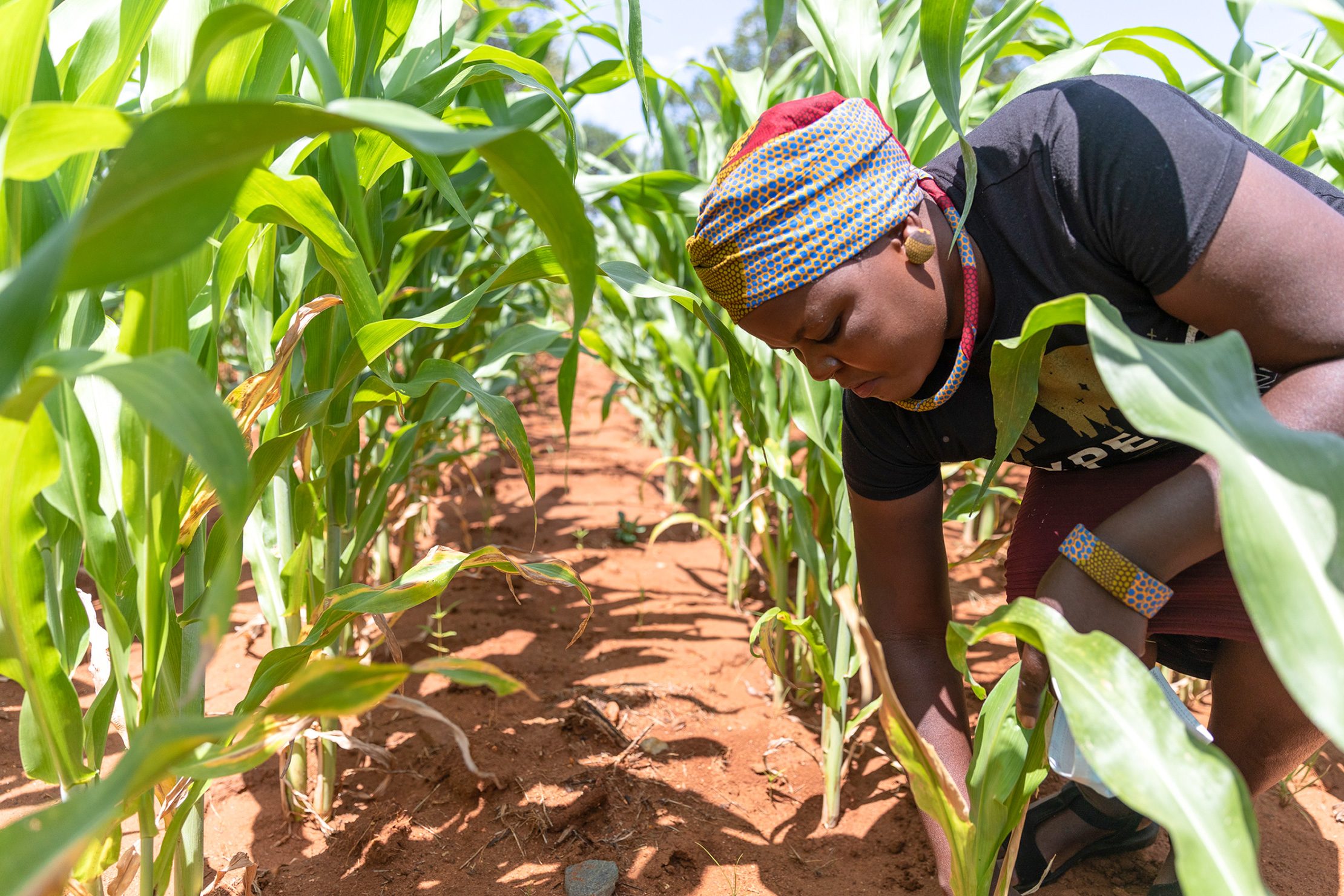
- Climate-resilient agriculture, including soil and water conservation, drought-tolerant crops and improved irrigation;
- Innovative financing mechanisms that leverage grants to establish payment for ecosystem services and a CRA credit facility in partnerships with national banks;
- Strengthened governance, learning and knowledge systems to support long-term resilience.
“Nature-based solutions remain under-financed, despite strong evidence of the benefits they deliver for people, economies and ecosystems,” said Radhika Dave, Senior Technical Advisor for Adaptation at UNDP. “This programme will help unlock their potential by structuring Adaptation Fund support to set the foundation for sustained financing.”
Implementation is expected to begin in early 2027 and run through 2032.
*
About UNDP
UNDP is the leading United Nations organization fighting to end the injustice of poverty, inequality, and climate change. Working with our broad network of experts and partners in 170 countries, we help nations to build integrated, lasting solutions for people and planet.
Learn more at undp.org or follow at @UNDP.
About the Adaptation Fund
Since 2010, the Adaptation Fund has committed over US$1.5 billion for climate change adaptation and resilience projects and programmes, including 217 tangible, localized projects on the ground in the most vulnerable communities of developing countries around the world supporting over 65 million total beneficiaries. It also pioneered Direct Access empowering country ownership in adaptation, and operationalized other novel programmes such as Locally Led Adaptation and the Fund’s Innovation Facility.
Donors
Explore More Stories