
Photo: Tobin Jones / UN
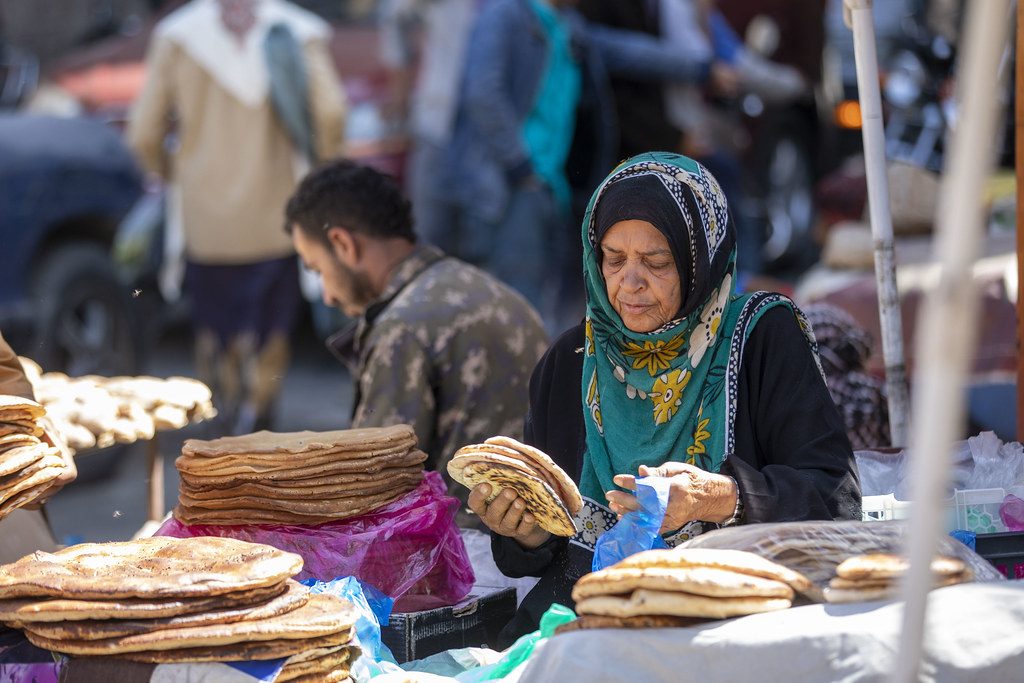
Photo: Ahmad Al-Basha / Gabreez / ILO
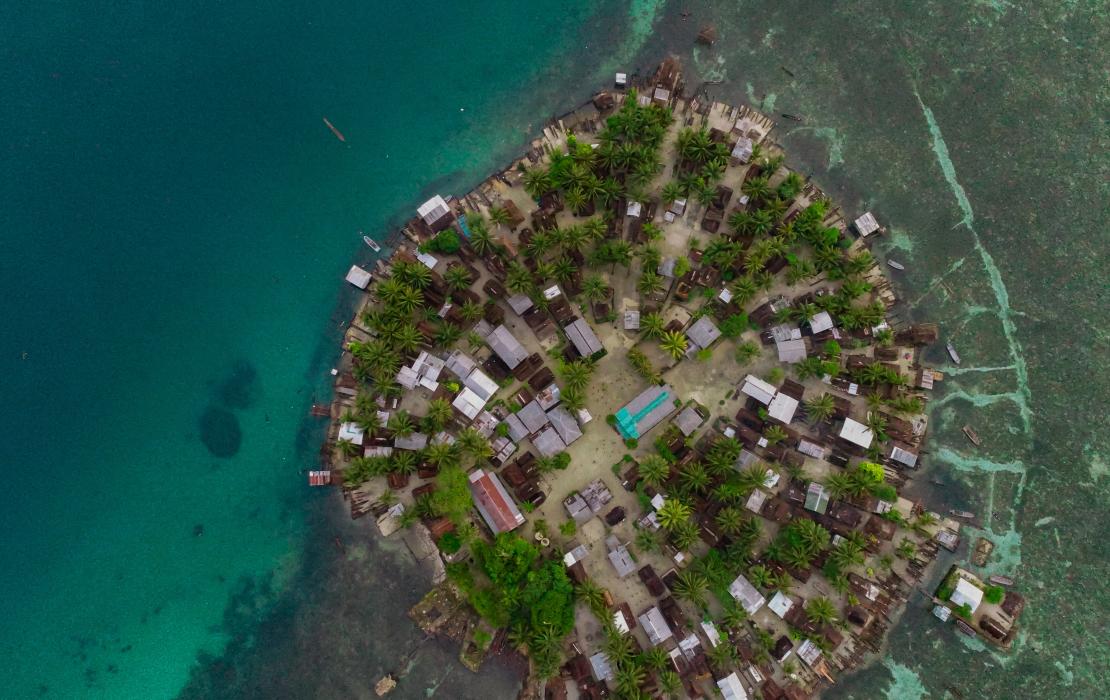
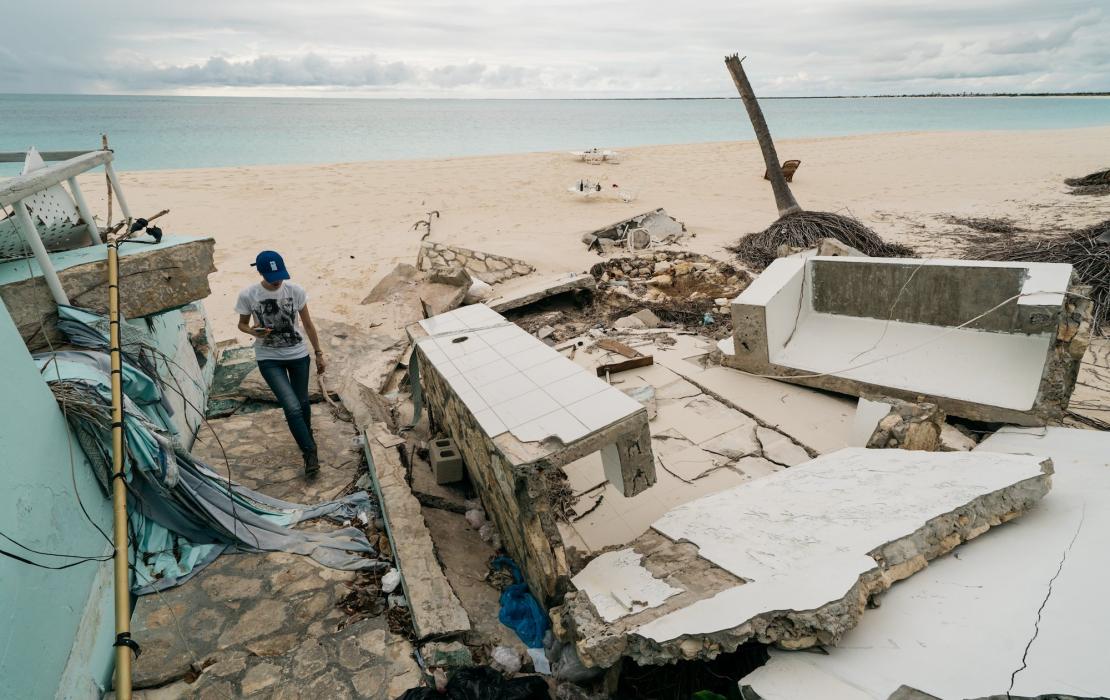
Global funds supporting climate change adaptation are a lifeline for low-income countries, particularly least developed countries (LDCs) in fragile and conflict-affected settings. However, available evidence suggests that these countries continue to face barriers in accessing adaptation finance, despite being some of the world’s most vulnerable to climate change impacts. In 2020, countries affected by fragility and conflict received less than two-thirds of the adaptation finance per capita provided to other low-income countries.
This is why NAPs matter in fragile and conflict-affected contexts. NAPs provide countries with a long-term, country-led framework for resilience even during periods of instability. They can help align humanitarian, development, peacebuilding and climate priorities while enabling governments to identify adaptation needs, coordinate across sectors and strengthen the evidence needed to attract future climate finance.
In fragile and conflict-affected contexts in the Arab States, UNDP supports governments strengthen the evidence base needed to design adaptation solutions in highly complex environments, with funding from the Green Climate Fund (GCF) Readiness Programme. Through climate vulnerability assessments, stakeholder engagement, climate data generation and monitoring systems, these projects are demonstrating how adaptation planning can be advanced in complex settings, affected by compounding crises.
Building the foundations for long-term climate change adaptation planning in Somalia
In Somalia, adaptation planning is helping establish systems where few previously existed. Somalia’s NAP process reflects years of work to build the foundations for long-term climate change adaptation planning within a federal system, navigating recurrent climate shocks, displacement pressures and conflict-related challenges.
When the NAP process began, Somalia faced major institutional and technical gaps. There were no existing state-level adaptation plans, the climate data available was extremely limited, and institutional systems remained fragmented across federal member states. In some regions affected by conflict, data sharing between states was constrained by insecurity and operational challenges, further complicating efforts to develop a coordinated national understanding of climate risk.
Despite these challenges, Somalia’s NAP process has become an important example of adaptation planning in fragile and conflict-affected settings. When Somalia submitted its NAP to the UNFCCC in 2025, it was the first NAP globally to explicitly integrate human mobility into national adaptation planning, recognizing migration and displacement as both climate risks and adaptation strategies.
Photos: UNDP Somalia
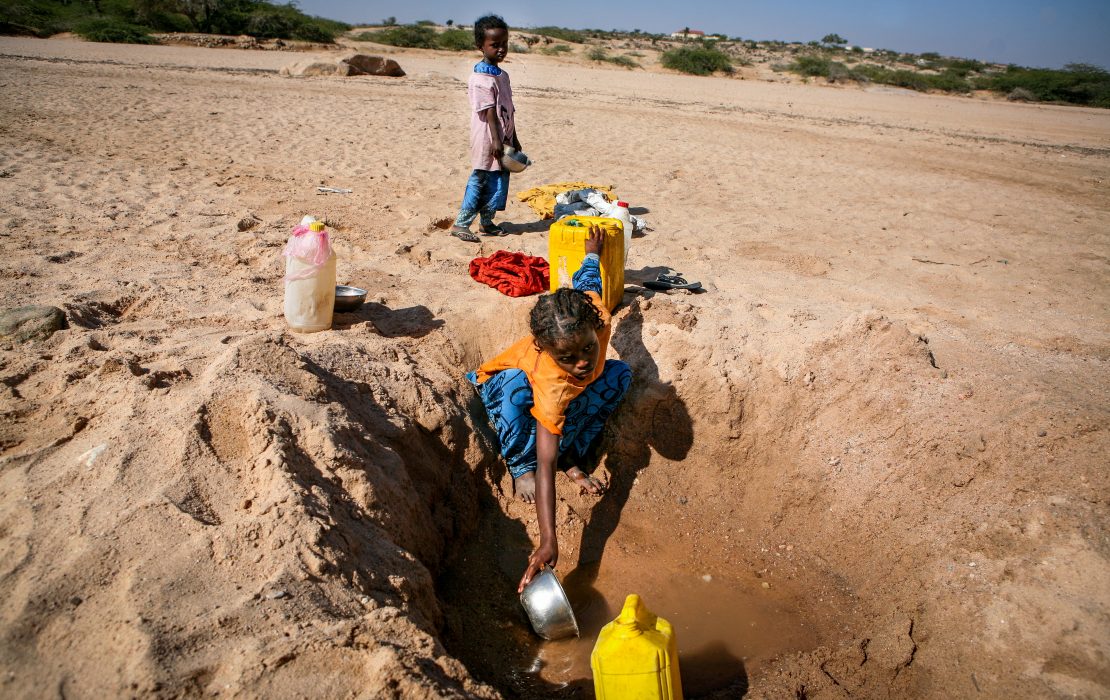
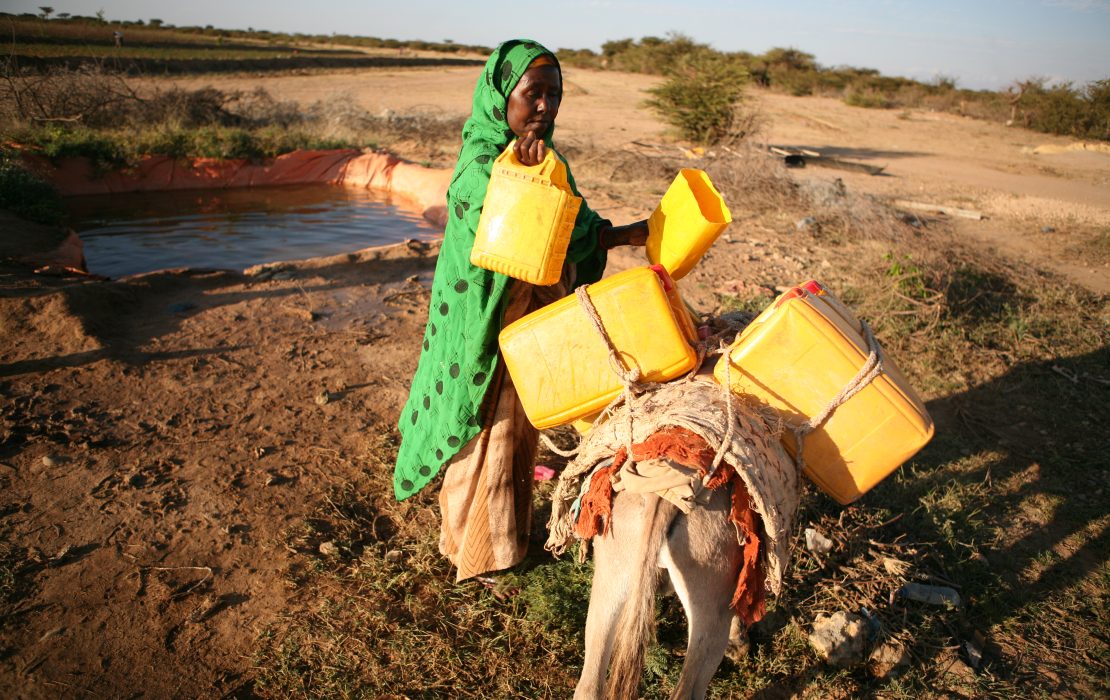
To inform the adaptation priorities outlined in its NAP, Somalia conducted climate vulnerability assessments across six federal member states through an inclusive process engaging women, internally displaced people, local communities and pastoralist groups. These consultations helped ensure that adaptation priorities reflected lived experiences of climate vulnerability while strengthening local ownership of the process.
The NAP also highlighted the importance of equitable and conflict-sensitive approaches to water governance, recognizing that Somalia’s climate resilience depends on how resources are managed across regions and populations already under strain.
With UNDP’s support, Somalia also developed a comprehensive national monitoring and evaluation framework covering multiple sectors and cross-cutting themes. A strong emphasis was placed on sub-national adaptation planning and learning by doing, helping to build technical capacity through hands-on engagement with federal member states.
To help strengthen community resilience and access to finance, Somalia was also supported by the SCALA programme to conduct a value chain analyses for sorghum, maize and sesame, which identified climate risks, adaptation opportunities and investment needs that later informed a market assessment with the Resilience Impact Fund for the Horn of Africa (RIFHA), an initiative supporting climate-resilient businesses in fragile and conflict-affected contexts. As a next step, the assessment will help guide RIFHA’s pipeline development in Somalia by identifying agribusinesses that could receive investment-readiness support.
Generating data for localized climate change adaptation planning in Lebanon
In Lebanon, adaptation planning is taking shape through highly localized and data-driven approaches focused on natural resources and vulnerable sectors. The country’s adaptation planning efforts are unfolding against a backdrop of significant pressures on institutions, public services and infrastructure.
One of Lebanon’s challenges was fragmented data and limited availability of climate information, further compounded by overlapping economic and governance pressures, as well as periods of insecurity, which have strained coordination efforts and limited resources available for long-term climate change adaptation planning.
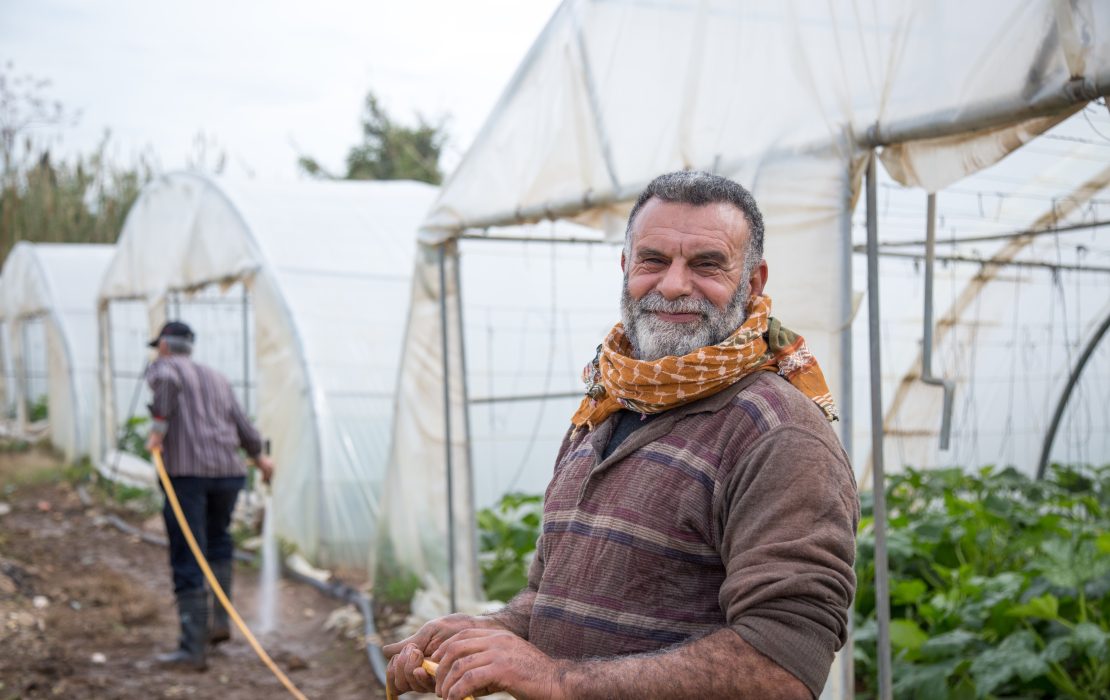
Within this context, Lebanon’s NAP process has focused on generating detailed evidence to support targeted adaptation planning. One major activity involved a climate vulnerability assessment of the Nahr El Kaleb watershed in the mountainous north of the country, which integrated climate, hydrological, land use and socio-economic data to identify localized adaptation priorities.
Photos: UNDP Lebanon
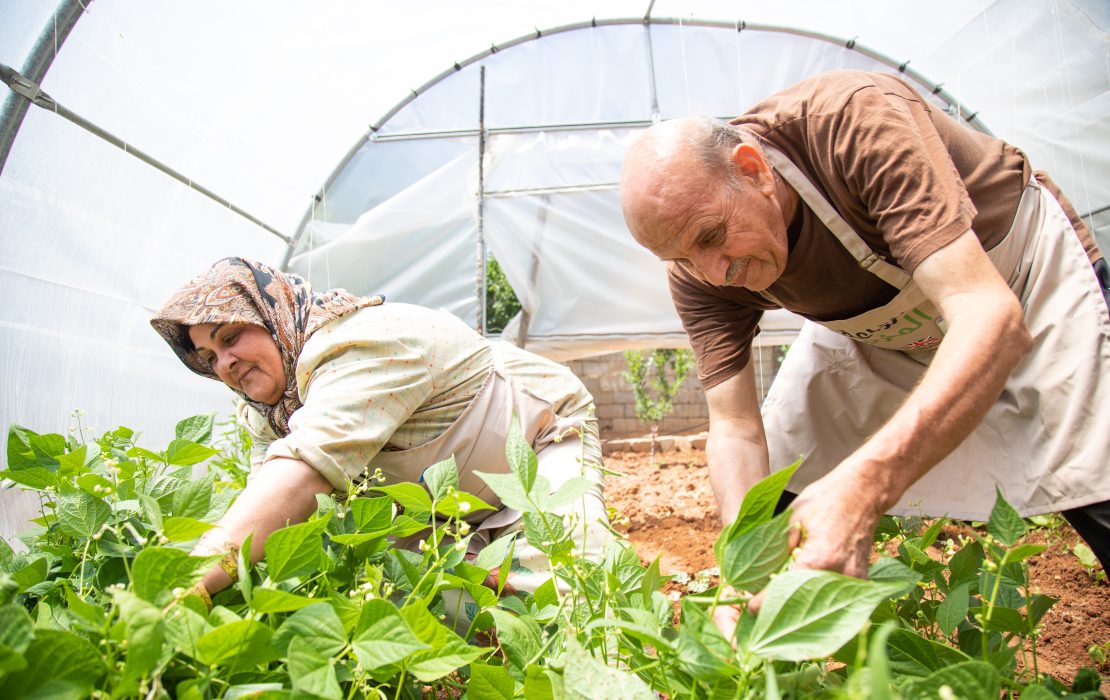
This watershed-level approach is particularly important in a country where climate change impacts and vulnerabilities vary significantly across regions. It also reflects that adaptation solutions must be tailored to local environmental and socio-economic realities, especially where national systems are under pressure.
The project combined field surveys, geospatial analysis, remote sensing and sector-specific data collection while engaging apple farmers, municipalities, cooperatives and industry actors. This extensive stakeholder engagement helped ground adaptation planning in local realities while strengthening understanding of how climate impacts affect livelihoods and natural resources.
Lebanon’s NAP process demonstrates how adaptation planning can be strengthened through granular, sector-specific evidence generation. Even amid institutional strain and displacement pressures, localized adaptation planning can help identify practical solutions for protecting critical natural resources and vulnerable communities.
Evolving how conflict analysis is integrated in climate change adaptation planning in Yemen
In Yemen, adaptation planning is emerging in a highly complex humanitarian and conflict-affected setting. Climate vulnerabilities vary significantly across the country’s regions affected by conflict, water scarcity and environmental stress. Access to natural resources, particularly water and land, is already linked to local tensions in many communities. Without careful planning, adaptation interventions could unintentionally contribute to conflict or reinforce existing inequalities.
Even though Yemen’s NAP project is still in its early stages of implementation, it already represents an important evolution in how climate change adaptation planning can integrate conflict sensitivity from the outset. The project was intentionally designed to account for conflict-related dynamics, displacement pressures and institutional capacity constraints alongside climate vulnerability. Unlike more traditional adaptation planning approaches, Yemen’s process includes dedicated conflict analysis integrated directly into climate assessments and adaptation planning activities.
By assessing how adaptation measures could interact with existing social and conflict dynamics, the NAP process can identify ways to mitigate risks. Activities such as climate risk and vulnerability assessments, conflict-sensitive and gender-responsive monitoring systems, downscaled climate modelling across four eco-regions, and technical capacity-building through open-source tools and geospatial analysis have been planned to help achieve this.
The project is also exploring hybrid climate modelling approaches using satellite data to help address major climate data gaps. This is particularly important in Yemen, where ongoing conflict and operational constraints can limit access to field data and technical infrastructure.

Photo: UNDP Yemen
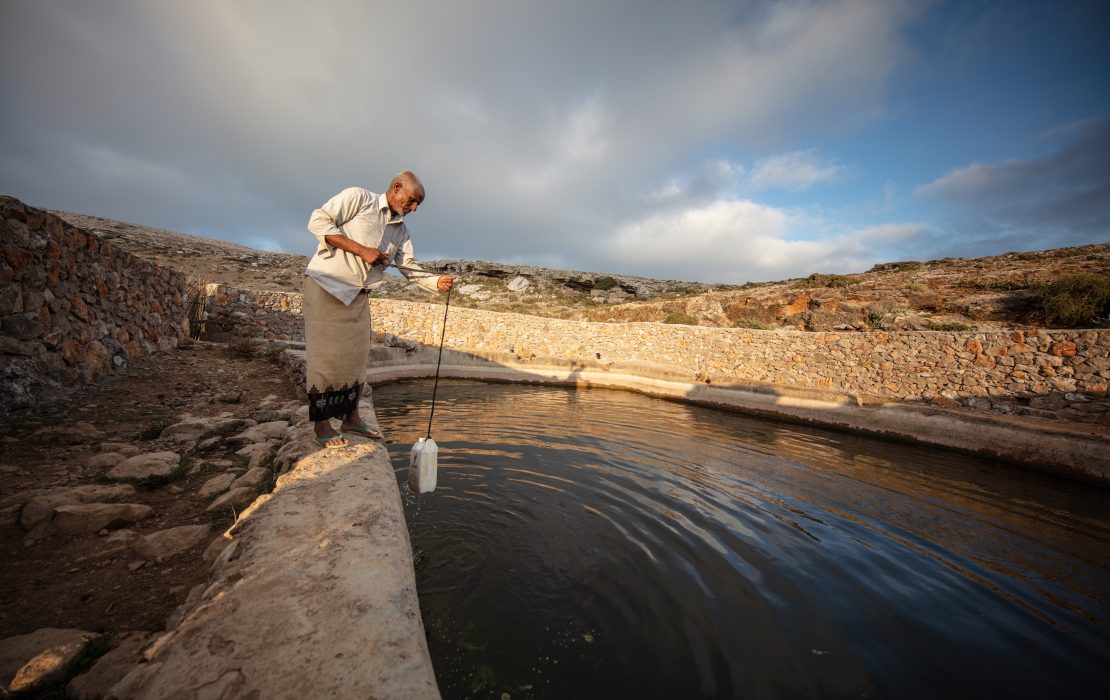
Photo: UNDP Yemen
Fragile and conflict-affected settings face some of the greatest barriers to climate adaptation, but they also demonstrate why adaptation planning cannot wait until all political, security and institutional conditions are in place. Moreover, climate risks are often deeply localized, requiring adaptation planning to use flexible, inclusive and evidence-based approaches that can help strengthen planning systems and coordination and create more locally grounded approaches to resilience in contexts where institutions may be already managing multiple crises.
The experiences of Somalia, Lebanon and Yemen show that NAPs can provide an important foundation for this work. By strengthening evidence, improving coordination and embedding local realities into climate planning, these three countries are helping shape adaptation pathways that are more conflict-sensitive, inclusive and responsive to the complex challenges fragile and conflict-affected contexts face today.