
0.93%
Share of global GHG emissions
Extracted from the CAIT Climate Data Explorer (2022), developed and maintained by the World Resources Institute. #103
Climate Vulnerability Index ranking
A higher number means a higher vulnerability to climate change. Based on the ND-GAIN Index (2023), developed by the University of Notre Dame. #76
Human Development Index ranking
A lower number means a better human development score. Based on the Human Development Index (2023), developed by UNDP. NDC Status
Thailand submitted its third NDC in October 2025.
Key highlights from the NDC
- Thailand’s third NDC is aligned with the 1.5°C pathway and sets the goal of net-zero emissions by 2050, which is 15 years sooner than the original timeframe of 2065 as per the previous NDC.
- Thailand commits to reducing net greenhouse gas (GHG) emissions by 47 percent by 2035 from 2019 levels, conditional on international support.
- The NDC includes an economy-wide absolute GHG emissions reduction target and covers all IPCC sectors, including energy, IPPU, agriculture, LULUCF, and waste, and includes all major greenhouse gases.
- Thailand’s latest NDC clearly identifies a key challenge in its reliance on international finance, underscoring the urgent need for improved access to global climate finance mechanisms, with the total estimated investment for the transition costed at US$7.05 billion by 2035.
- The NDC also mentions the facilitation of a just transition, including assessments of social and economic implications, green job creation, and stakeholder participation at all levels.
- Thailand developed its NDC with domestic institutional arrangements, public participation, and engagement with local communities, including gender-responsive considerations.
NAP Status
Thailand submitted its National Adaptation Plan to the UNFCCC in 2024, with support from UNDP and GCF Readiness funding. Thailand is also a partner country of UNDP-FAO's SCALA programme where its currently scaling up its climate ambition in the agriculture sector related to the goals outlined in its NDC and NAP.
How UNDP’s Climate Promise is helping Thailand
The Climate Promise is being delivered in collaboration with key partners.








Latest Updates
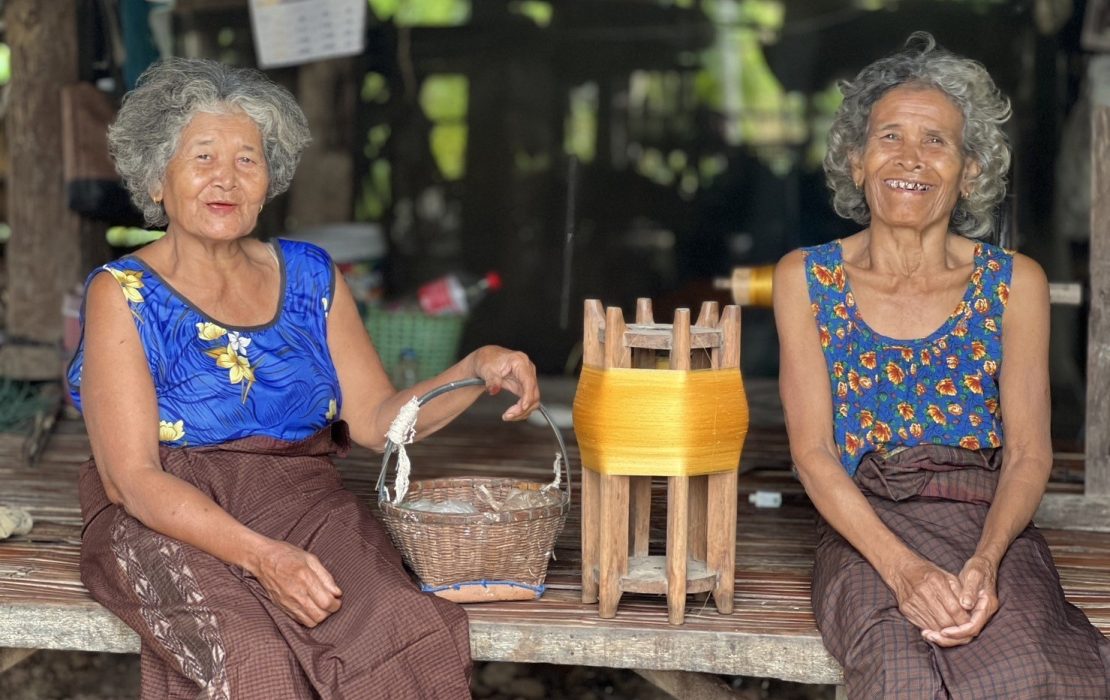
See allWomen are leading local climate adaptation efforts, combining traditional knowledge and innovation to build resilience and transform communities.
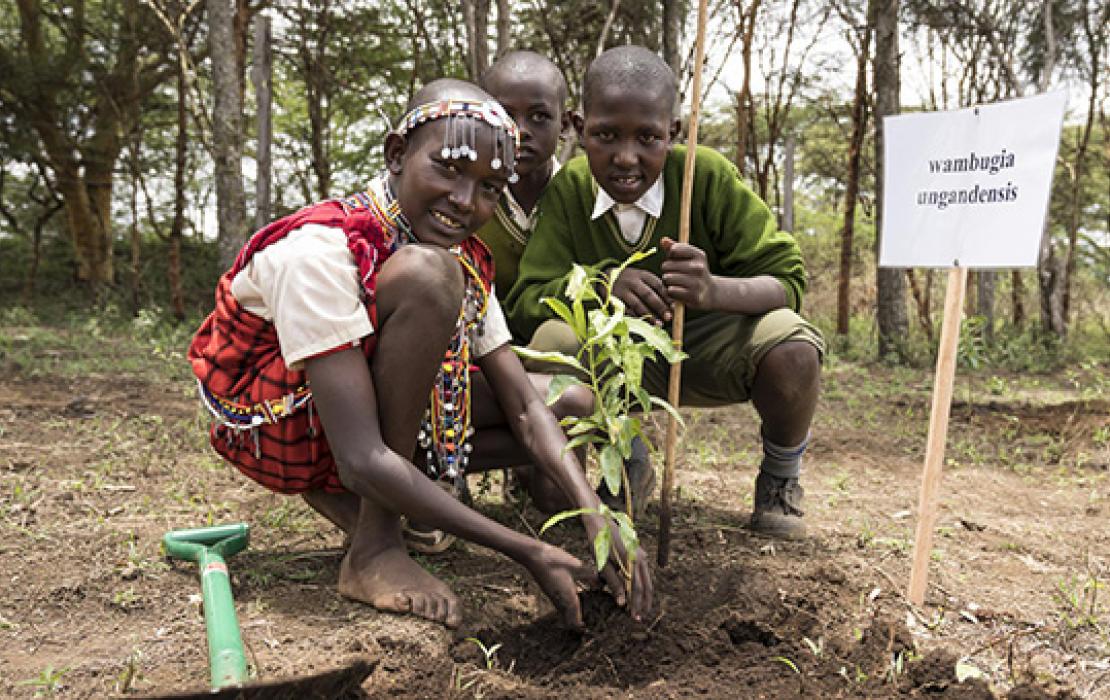
Universities play a crucial role in National Adaptation Plans through research, knowledge generation and social outreach.

Japan and UNDP have joined forces for another set of funding to support climate action.
Latest Publications
See allThis report features 19 countries where central, regional, and local governments have come together to work towards a national climate strategy.
