The work featured here has been co-funded through the generous contribution of the Government of the United Kingdom. As a longstanding donor for UNDP's climate action work, the United Kingdom supports global efforts to tackle climate change, develop ambitious climate policies, advance inclusivity, reduce deforestation and forest degradation, and address the links between climate, peace and security, including through direct support for flagship initiatives such as the Pledge to Impact Programme, Direct Grants to Indigenous Peoples, UN-REDD and the Climate Security Mechanism.

United Kingdom
Despite promising results, results-based payments can be further improved to deliver both climate action and sustainable development.
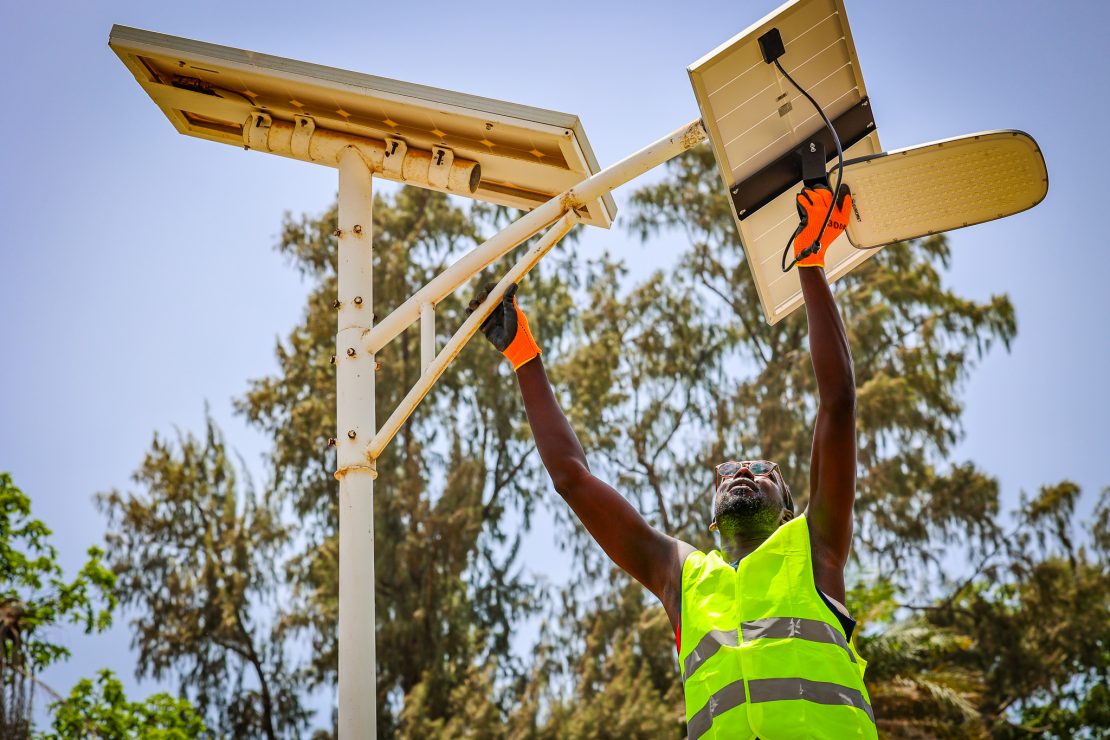
Senegal’s progress on sustainable energy shows that countries in Africa can simultaneously expand energy access and pursue low-carbon development.
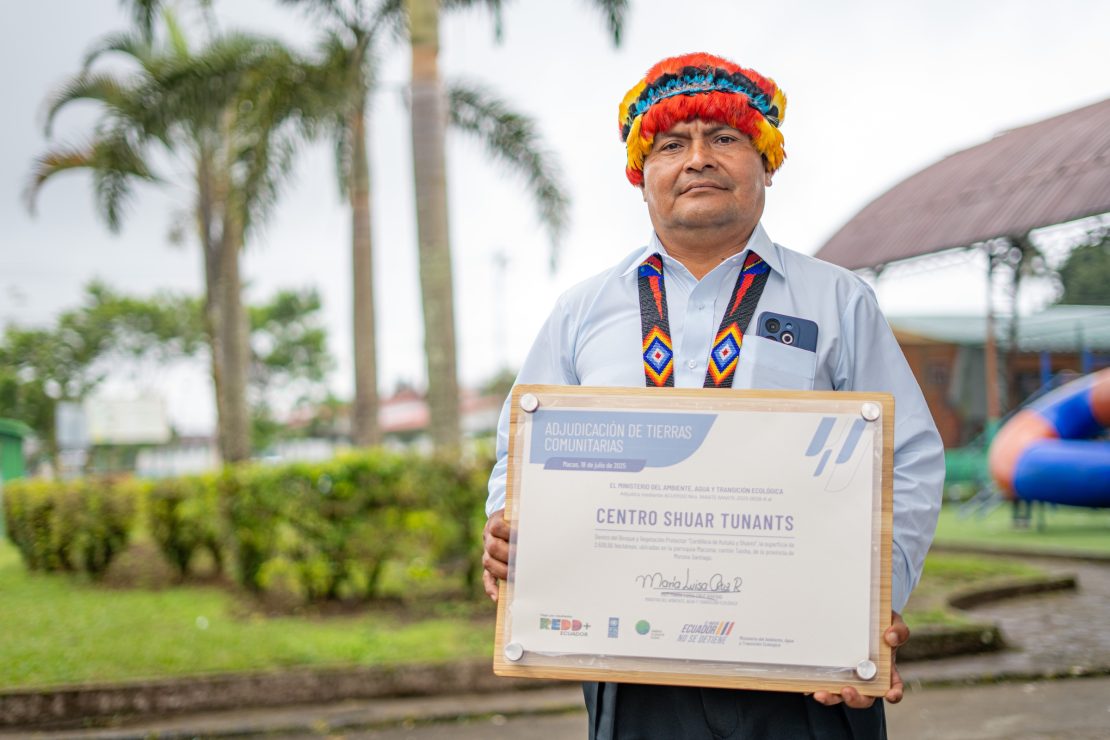
After more than a decade of struggle, Shuar communities in Ecuador receive the titles to their ancestral lands.
With determination and a deep sense of responsibility, young people are creating their own spaces to drive change in their communities.

UNDP and the Lavazza Foundation have announced a new initiative that will provide clean water access in Ecuador.

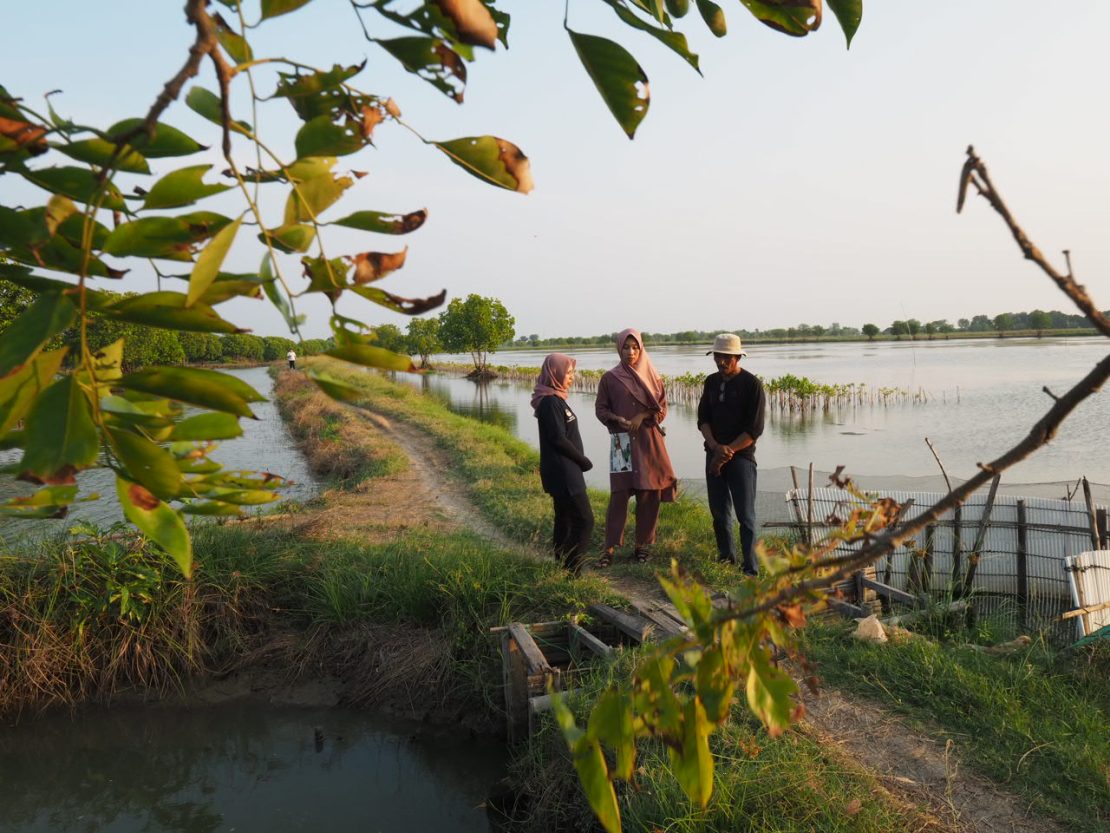
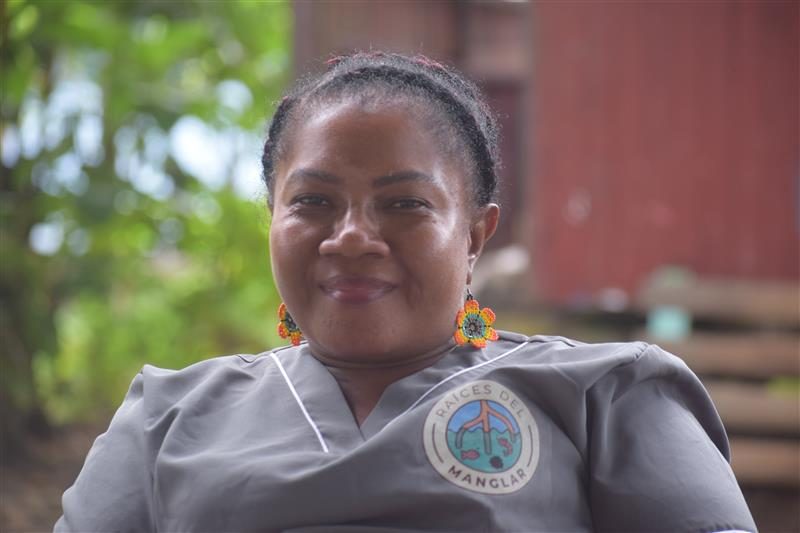
Local communities in Kenya, Viet Nam and Colombia are restoring coastal ecosystems for a more resilient, low-carbon future.
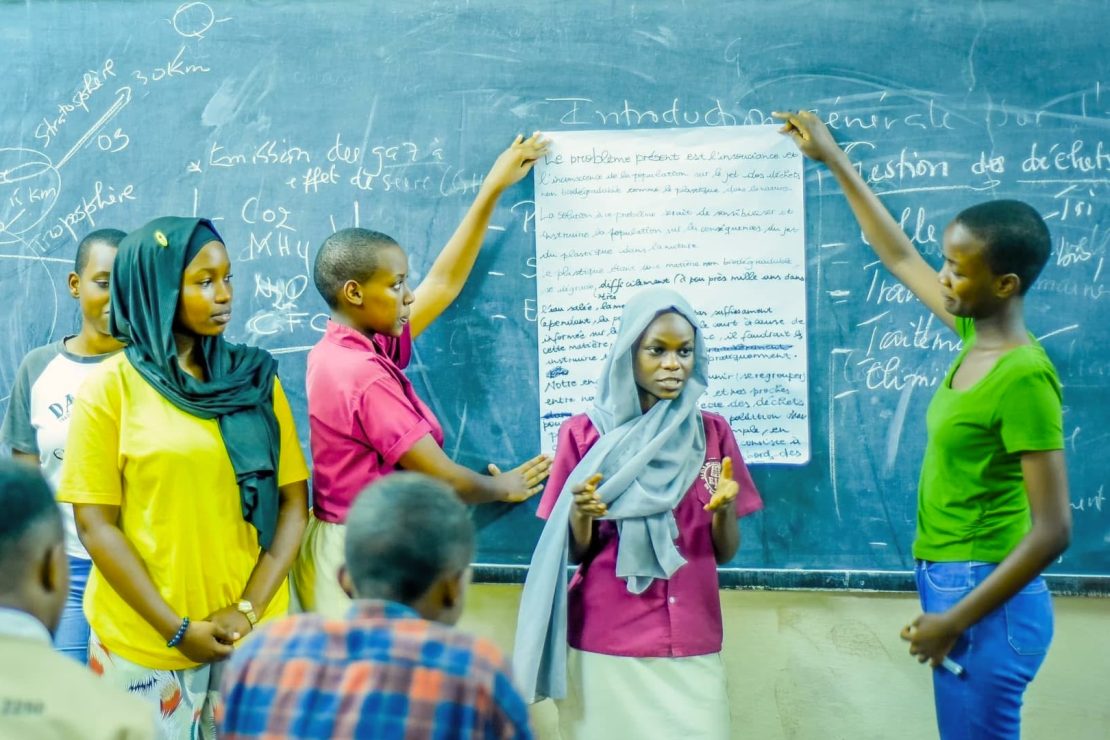
Young climate leaders in Burundi, Guinea, Kenya, Morocco, Panama and Zimbabwe are unlocking a sustainable and inclusive future.
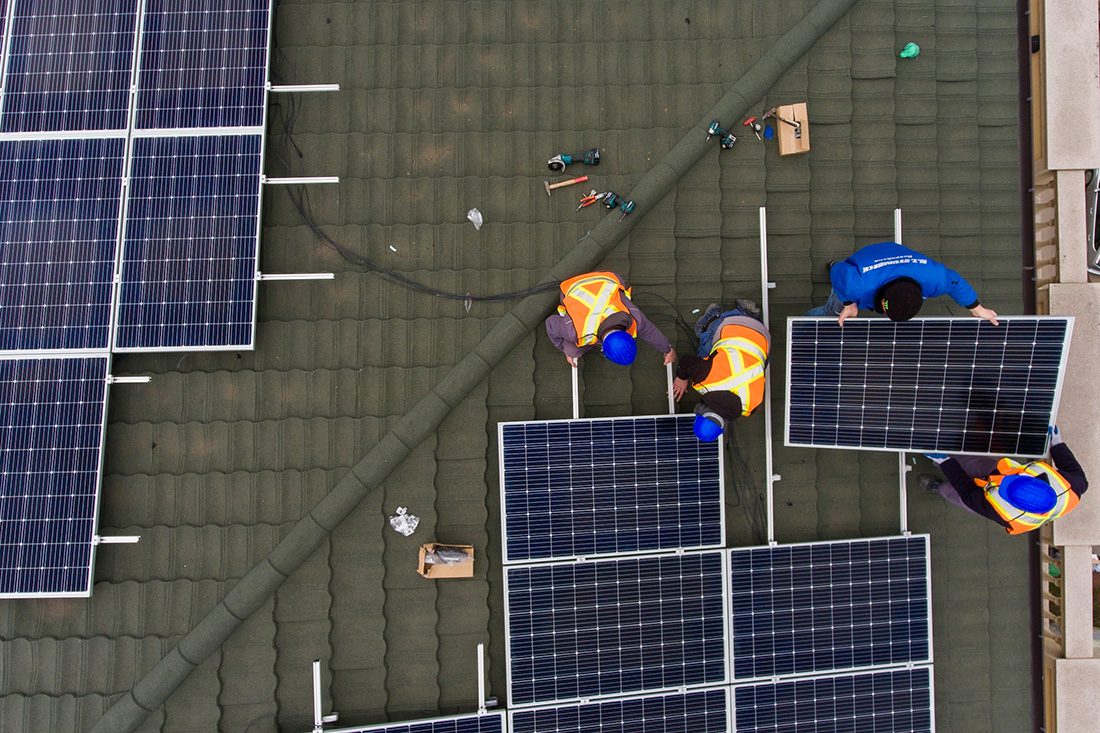
By pairing the expansion of renewable energy with a just transition, we can increase the world's GDP while improving lives everywhere.
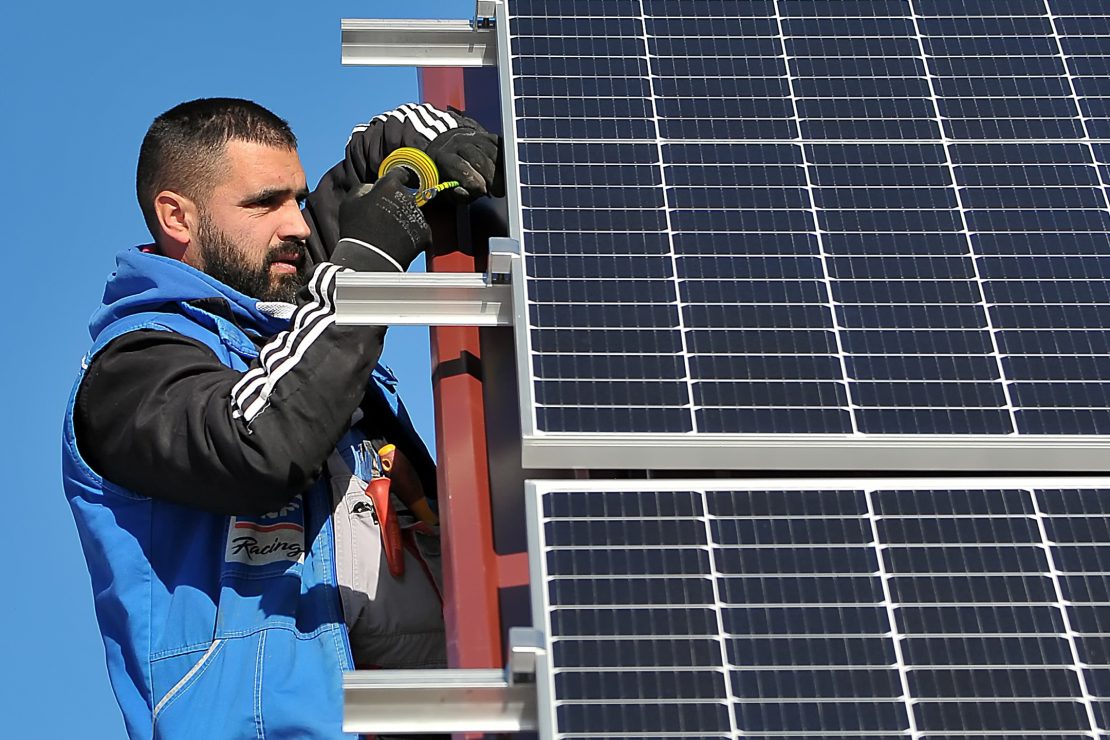
This approach could also unlock US$20 trillion in cumulative savings in the energy sector and increase GDP by 21 percent.
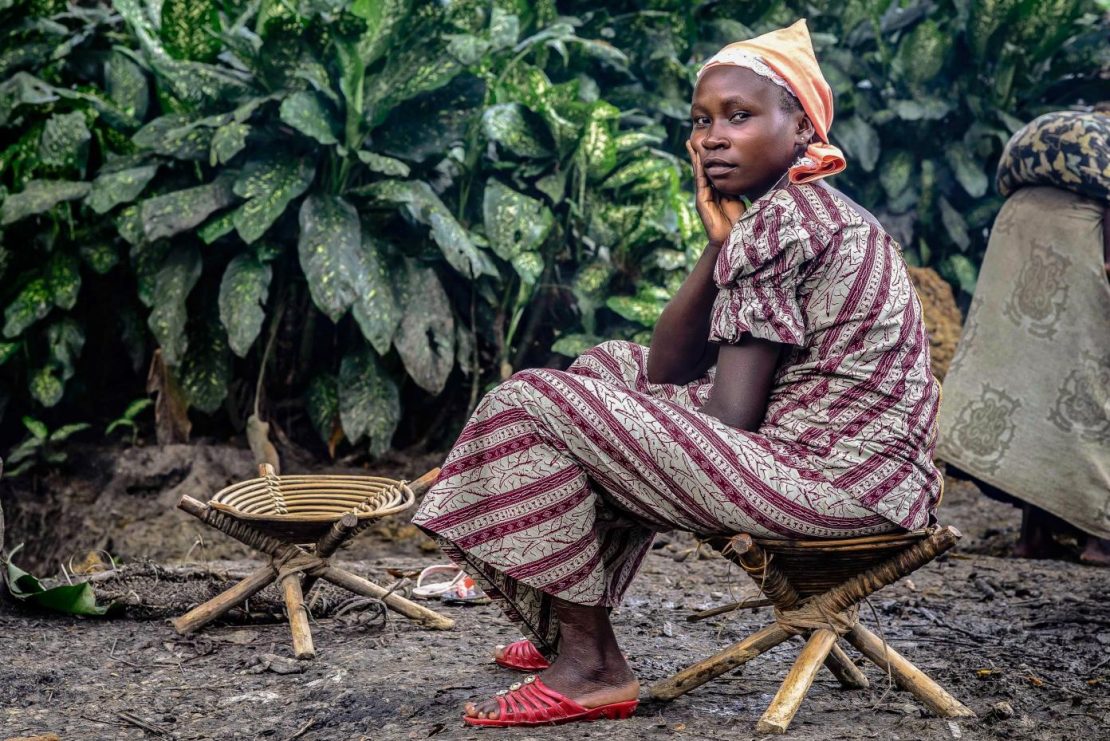
A coalition of countries committed to conserving tropical forests, the Tropical Forest Forever Facility offers a new model of climate finance.
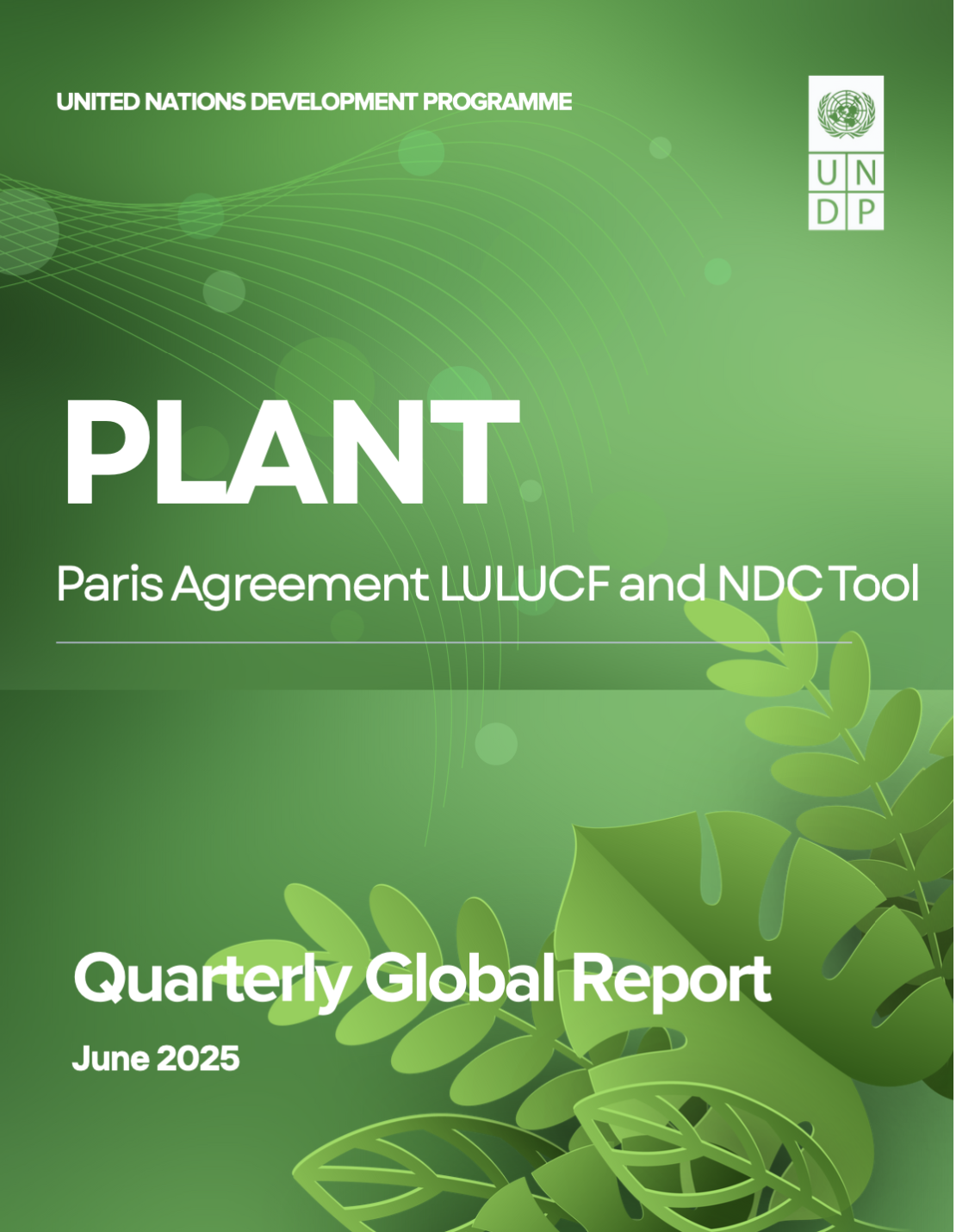
The PLANT Quarterly Global Assessment tracks how 63 countries are using forests to meet their climate goals under the Paris Agreement
Explore Our Donors