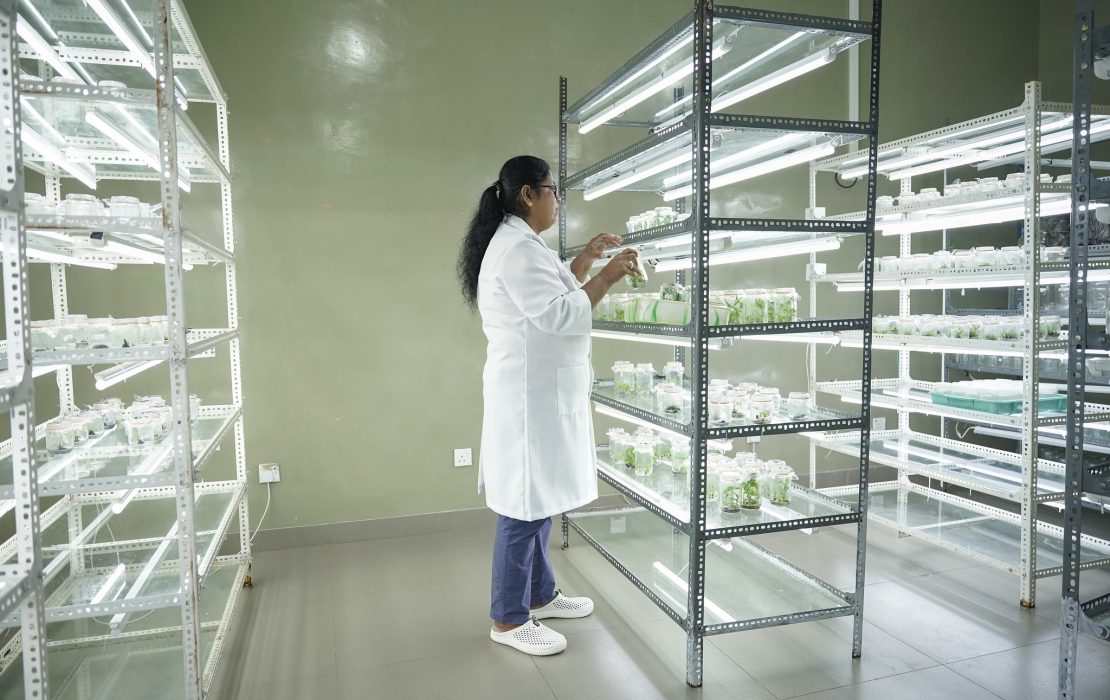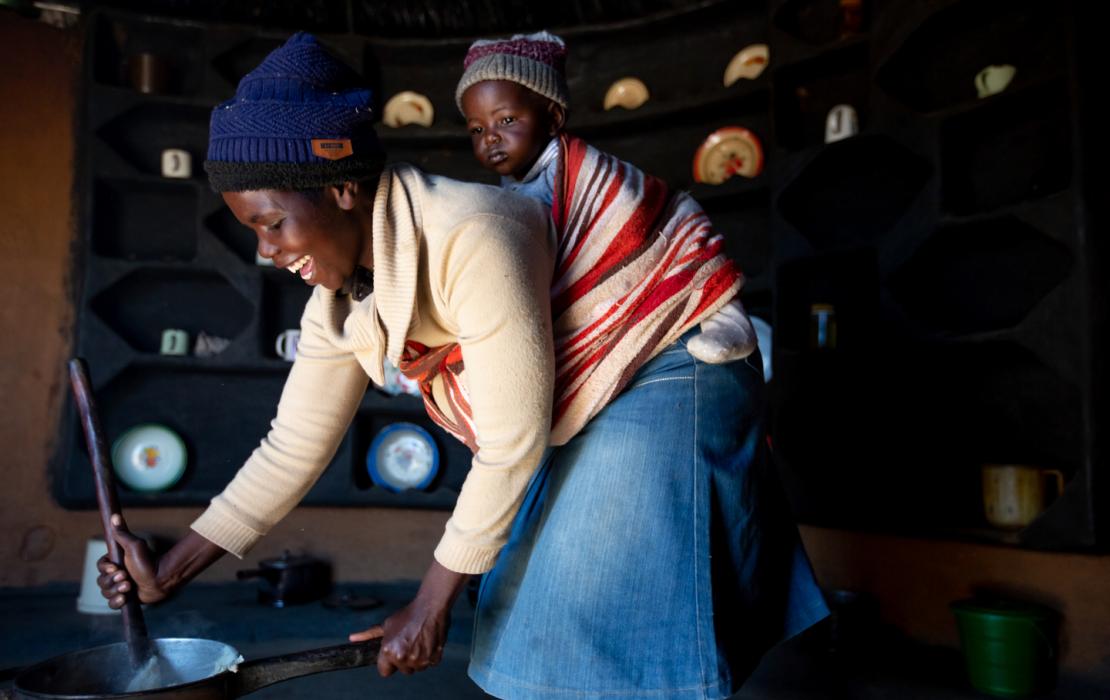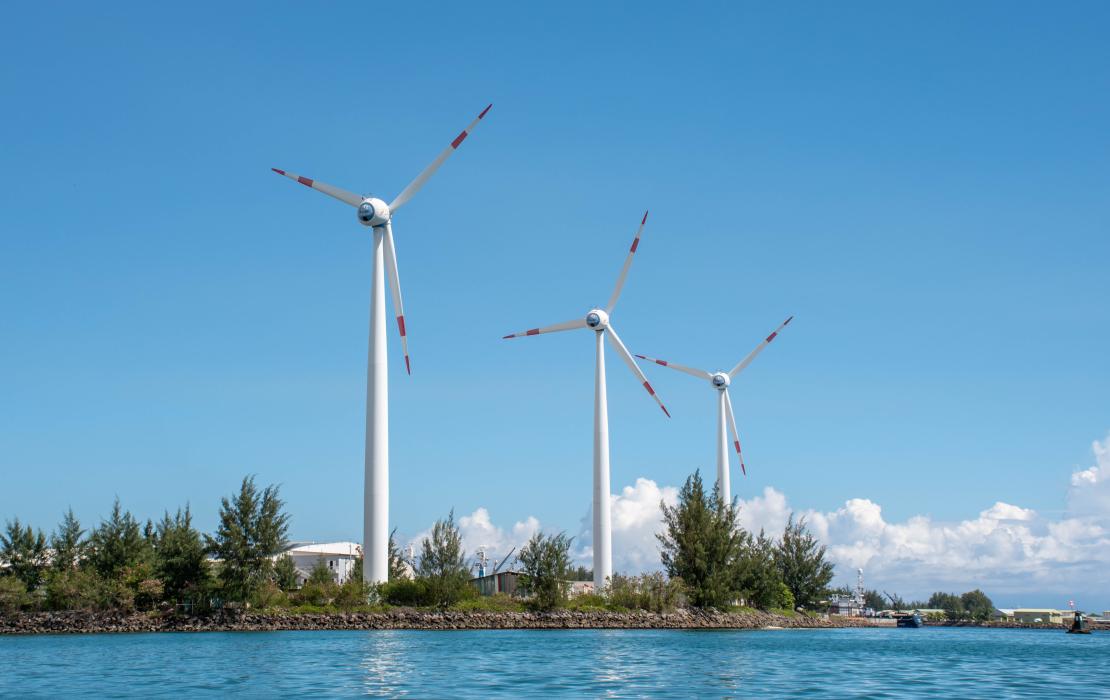
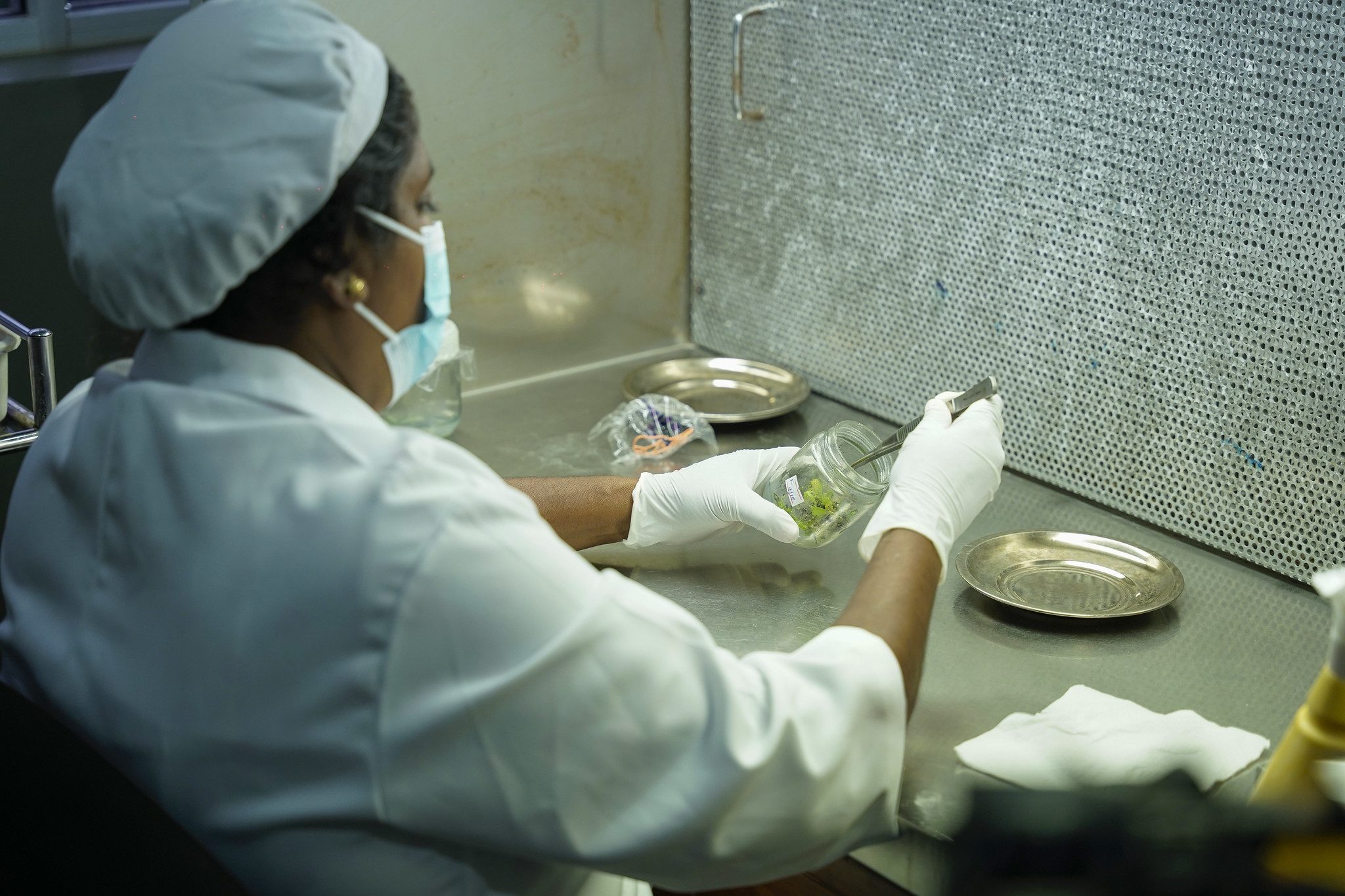
Photo: UNDP Sri Lanka

Shippers in Hue have begun using new electric motorbikes for their work, which they purchased through concessional loan schemes offering a 0% interest rate. Photo: Phan Huong Giang / UNDP Viet Nam
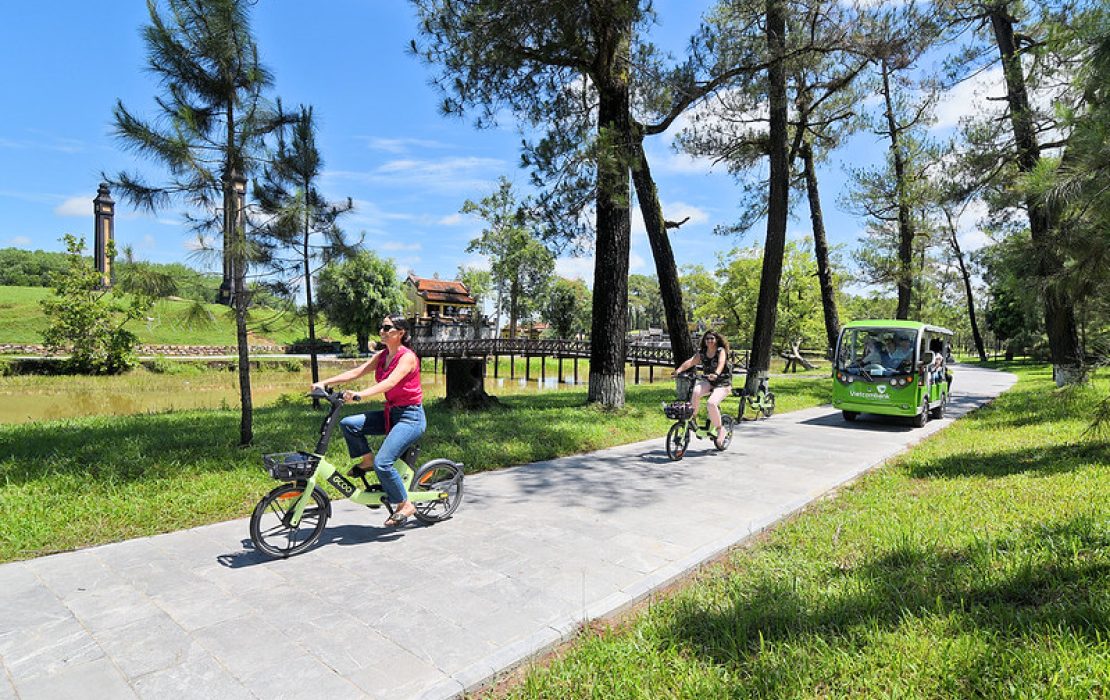
Pilot activities from the electric vehicle loan programme, which also include environmental awareness, will serve as a model for other regions across the country. Photo: UNDP Viet Nam
Transforming clean cooking in Kenya
Clean cooking is a key pathway for achieving Kenya’s mitigation targets and recent developments have shown that advancing this goal requires both technologies and a strong focus on people, particularly women.
To support the country’s goal of achieving 100 percent access to clean cooking solutions by 2028 and a 32 percent reduction in emissions by 2030, UNDP helped promote modern cooking solutions that integrate new technologies and reduce reliance on biomass. As part of this work, 10,000 vulnerable households received efficient stoves to replace traditional open fire cooking methods, cutting an estimated 25,000 tonnes of greenhouse gas emissions each year and limiting health hazards. The initiative also helped five boarding schools transition to clean cooking, benefiting 5,650 students and staff while reducing emissions and improving air quality.
Beyond the new technology, the human dimension has been central to sustaining change. UNDP helped train 556 women and youth entrepreneurs to gain new skills on producing, maintaining, marketing and distributing clean cooking stoves, helping them enter the clean cooking value chain. Since then, more than a third of them have started businesses related to clean cooking. UNDP also organized trainings on the clean cooking curricula for government officials and helped strengthen local energy plans in three counties by integrating forestry, agriculture and energy strategies.
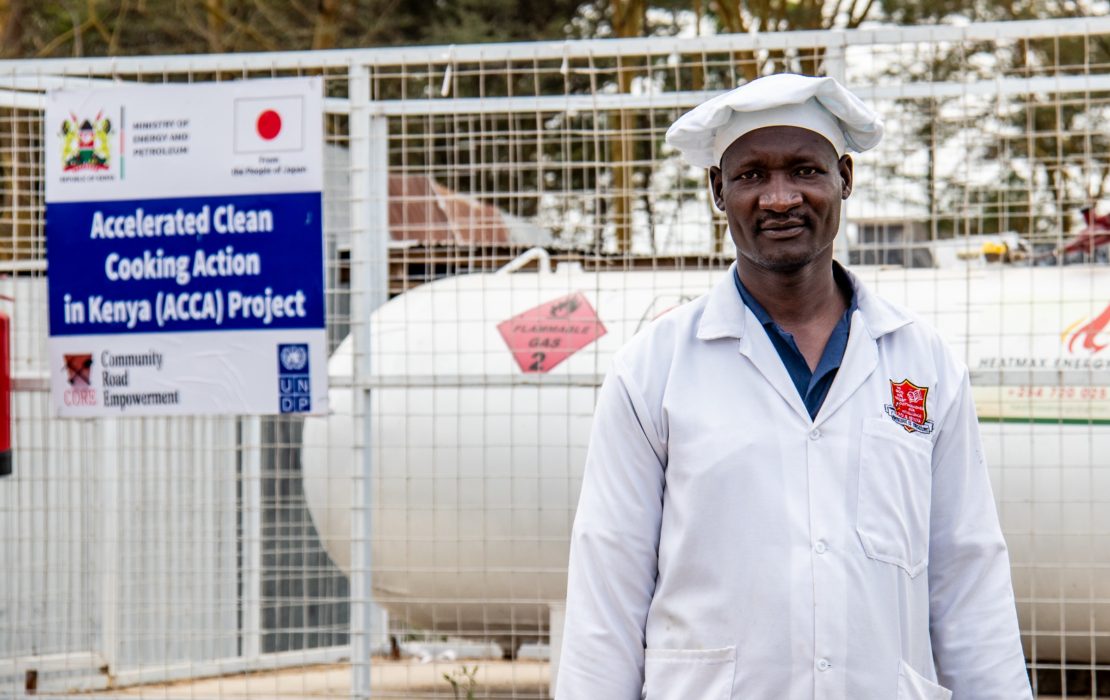
Clean cooking contributes to Kenya’s mitigation targets, by boosting energy efficiency technologies and reducing the use of fossil fuels and deforestation. Photo: UNDP Kenya
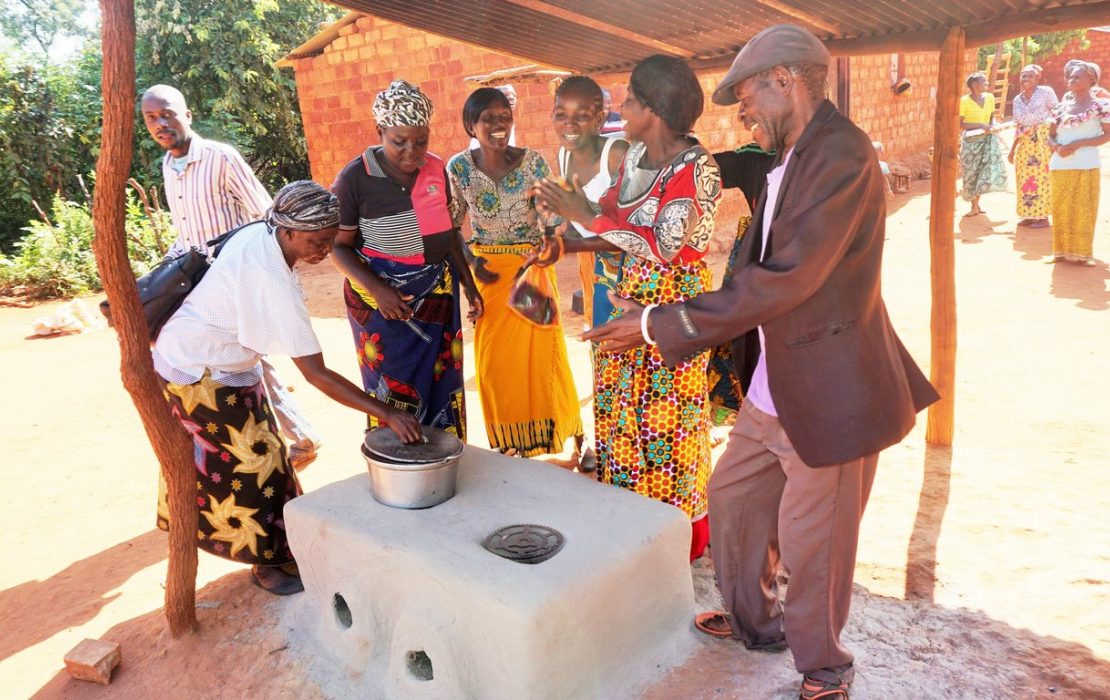
The Clean Cooking Association of Kenya helped trained hundreds of women and youth entrepreneurs who gained skills in clean cooking use and promotion. Photo: UNDP Kenya
Improving weather forecasts to lower climate risks in Armenia
In Armenia, climate-related hazards such as landslides, mudflows and floods are posing significant threats to food security, water supply, energy reliability, infrastructure and overall public safety. Rural communities are especially vulnerable, while at the national level, the economic impact is of concern, with losses from declining agricultural productivity projected to exceed 8 percent of the country’s gross domestic product by 2100.
In this context, improving early warning systems and climate risk management can help strengthen climate resilience nationwide. With UNDP’s support, the modernization of 11 weather stations helped expand forecast coverage from 50 to 80 percent of the country’s territory. This success prompted the government to allocate national funds to complete the modernization of the remaining nine weather stations and achieve nationwide coverage. Based on the new data collected by the upgraded weather stations, the country launched a public weather information portal and a mobile app, as well as a Natural Hazard Index, based on geographic information systems, that maps risks related to landslides, floods and mudflows. Having access to more timely and accurate weather information allows policy-makers to take more evidenced-based decisions, and communities to feel more prepared for future hazards.
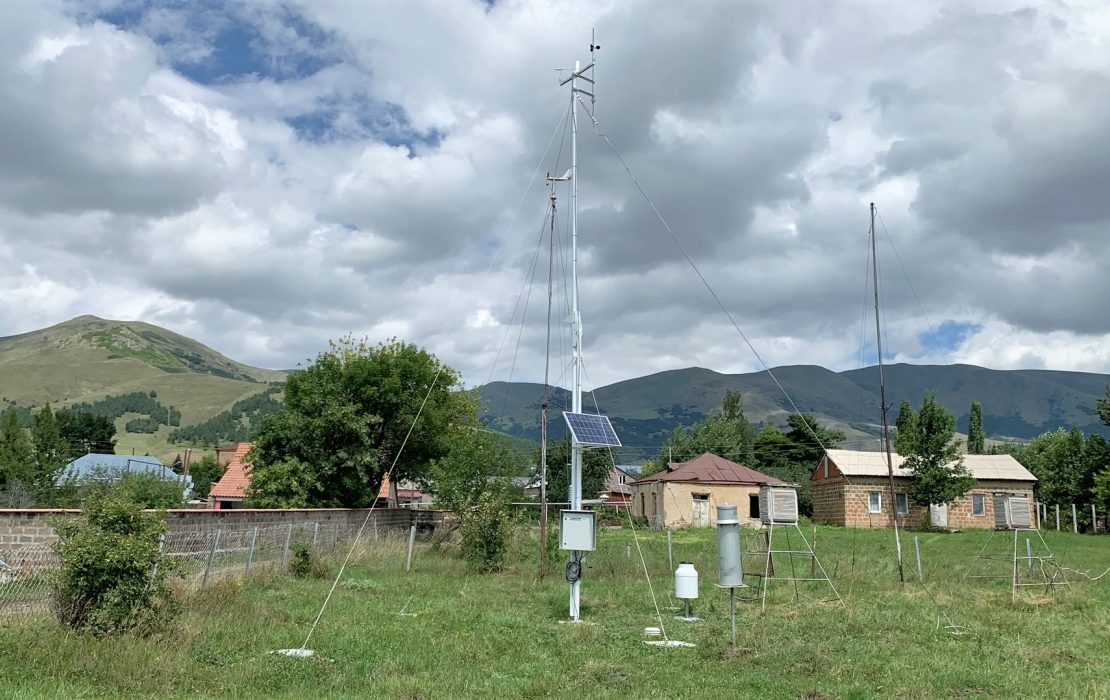
With the modernization of just 11 weather stations, forecast capacities in Armenia have increased from 50 percent to approximately 80 percent of the territory. Photo: UNDP Armenia

The modernized meteorological stations in Armenia provide rapid and accurate data by transmitting information every two seconds. Photo: Arzuman Harutyunyan / UNDP Armenia
Creating incentives for private sector engagement
To attract new sources of climate finance, countries are creating market-driven incentives that attract meaningful and impactful engagement from private companies. By engaging the Japanese private sector, UNDP has piloted innovative climate solutions around the world.
In Ecuador, a partnership with Toyota, a Japanese car manufacturer, is leading to new sustainable transport roadmaps. In 2025, following the findings of a UNDP study on sustainable urban mobility in several cities, Toyota shared key hybrid technology information, which generated strong interest from both UNDP and authorities in the Galapagos islands, an archipelago of 127 islands with unique biodiversity features threatened by climate change. Looking ahead, UNDP plans to consolidate further mobility information, including data to support a hybrid-vehicle pilot using Toyota’s latest technologies and city-level assessments, to help define the most effective mobility solutions to reduce greenhouse gas emissions and the islands’ energy burden. Additional assessments and pre-investment studies in the Galápagos and the cities of Cuenca, Manta and Yantzaza will also help implement their Sustainable Urban Mobility Plans and advance the country's new NDC target on promoting sustainable mobility.
In Sri Lanka, solar-powered pest control technology allows farmers to adopt energy-saving agricultural practices, while Armenia and Uzbekistan are also tapping into the expertise of the Japanese private sector in key technical areas such as dam risk modelling, decarbonization technologies and carbon markets.

The Galápagos archipelago, located 1,000 km off Ecuador’s coast, holds the world’s richest concentration of endemic species. Photo: UNDP Ecuador
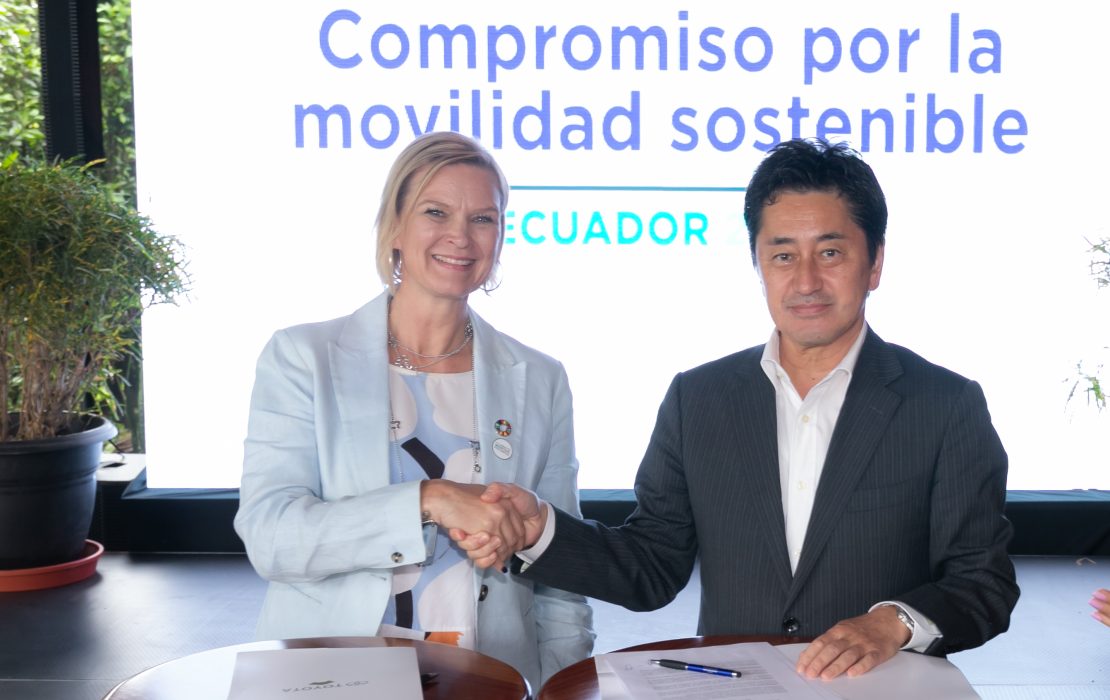
Toyota is exploring the possibility to support climate action in the Galapagos Islands, helping align private sector investments with NDC goals. Photo: UNDP Ecuador
Building on these successes, UNDP looks forward to deepening its partnership with Japan to unlock new investment opportunities and foster global knowledge exchange, ensuring NDCs deliver both environmental and socio-economic benefits. Future work can help scale up mitigation and adaptation investments and harness digital public infrastructure and inclusive artificial intelligence to accelerate climate goals. Japan’s leadership in technology and private sector innovation will remain central, facilitating the continued engagement of Japanese companies in sustainable transformation around the world.
*
Japan considers that the climate crisis is a threat to all humanity and, in cooperation with UNDP, leads countries to accelerate their climate action. In 2021, UNDP launched a new phase of the Climate Promise – From Pledge to Impact – aimed at translating NDC targets into concrete action. Japan was the largest supporter of this phase and joined longstanding partners such as Germany, Sweden, the European Union, Spain, and Italy and new partners such as the United Kingdom, Belgium, Iceland, and Portugal to accelerate these efforts.
Delivered in collaboration with a wide variety of partners, Pledge to Impact has supported over 120 countries to enhance and implement Nationally Determined Contributions (NDCs) under the Paris Agreement.
Explore More Stories
Green technologies offer a unique opportunity to build a more sustainable future for rural communities.