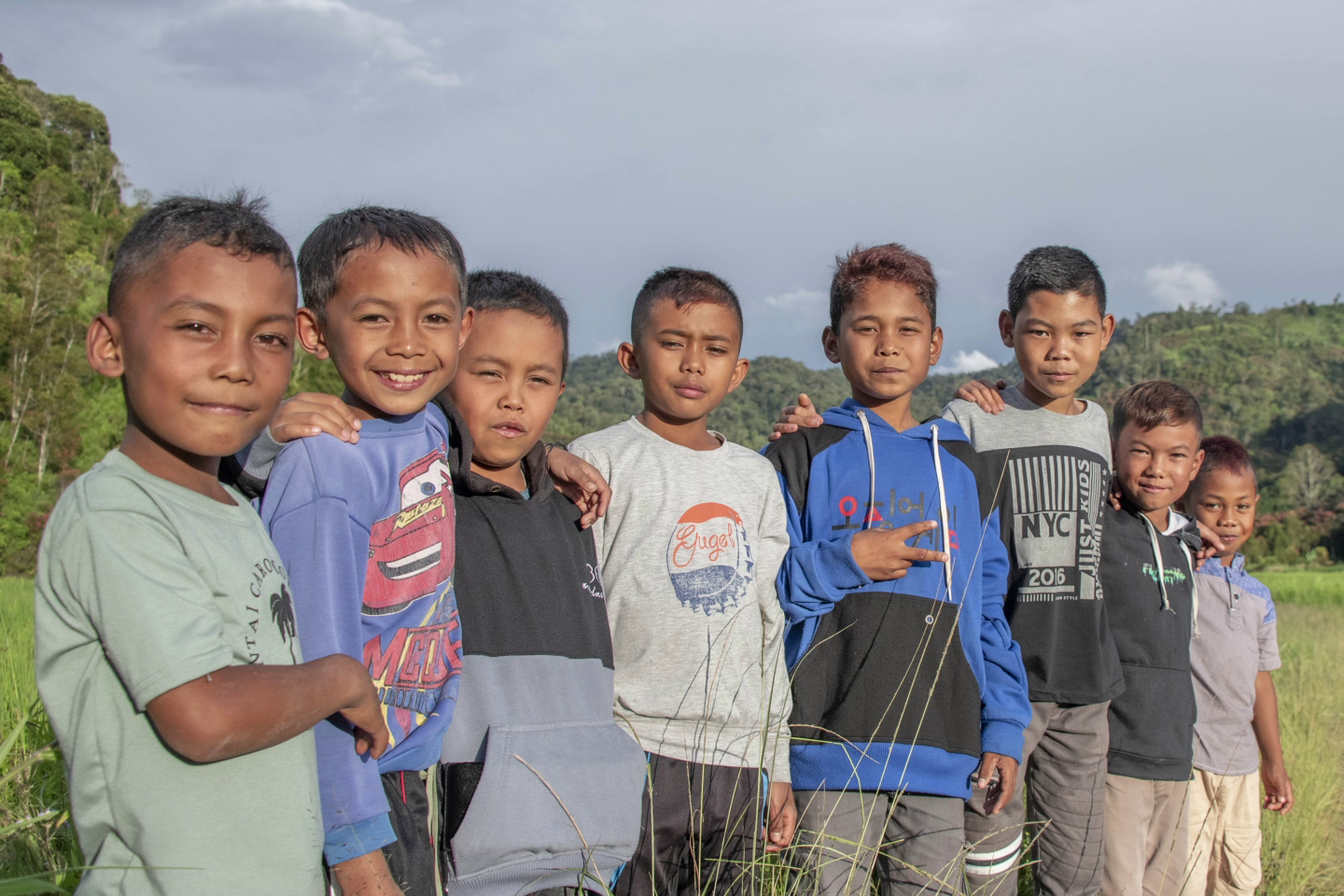

Electricity has transformed daily life in Lubuk Bangkar, improving education, healthcare and livelihoods. Photo: UNDP Indonesia

Ibu Yeni, a midwife at the community health service unit, can better respond to medical emergencies at night. Photo. UNDP Indonesia
Before reliable electricity reached Lubuk Bangkar, providing health care, especially at night, was quite challenging. Frequent blackouts made it nearly impossible to respond to emergencies or deliver care safely after dark.
“When someone needed care at night, we had to work with flashlights or even candlelight,” recalls Ibu Yeni, a midwife at the community health service unit. “It was risky for everyone, especially during births or urgent situations.”
With a steady supply of electricity, the health center can now operate safely at any time. “Now we can respond to an emergency without fear,” she added. “The lights stay on, our equipment works, and we can give mothers and babies the care they need, even in the middle of the night. It has been life changing.”
In order to make this happen, UNDP mobilized additional funding from Badan Amil Zakat Nasional (BAZNAS) and Bank Jambi to complement the project’s resources. This approach demonstrated strong local ownership and the ability to attract non-traditional financing from faith-based and subnational partners for sustainable energy access in Indonesia's rural areas.
In Renah Kasah, another village in the Jambi Province, a similar micro-hydro power plant has become more than just a power source; it is a lifeline for the community’s identity.
“We couldn’t carry out our religious activities because there was so little light at night,” recalls Pak Murahman, a local religious leader. “But now, with the micro-hydro system, we can gather for prayer and community events in the evenings. It’s brought new energy to our social and spiritual life.”

The mosque in Renah Kasah is central to the community's social and spiritual identity. Photo: UNDP Indonesia
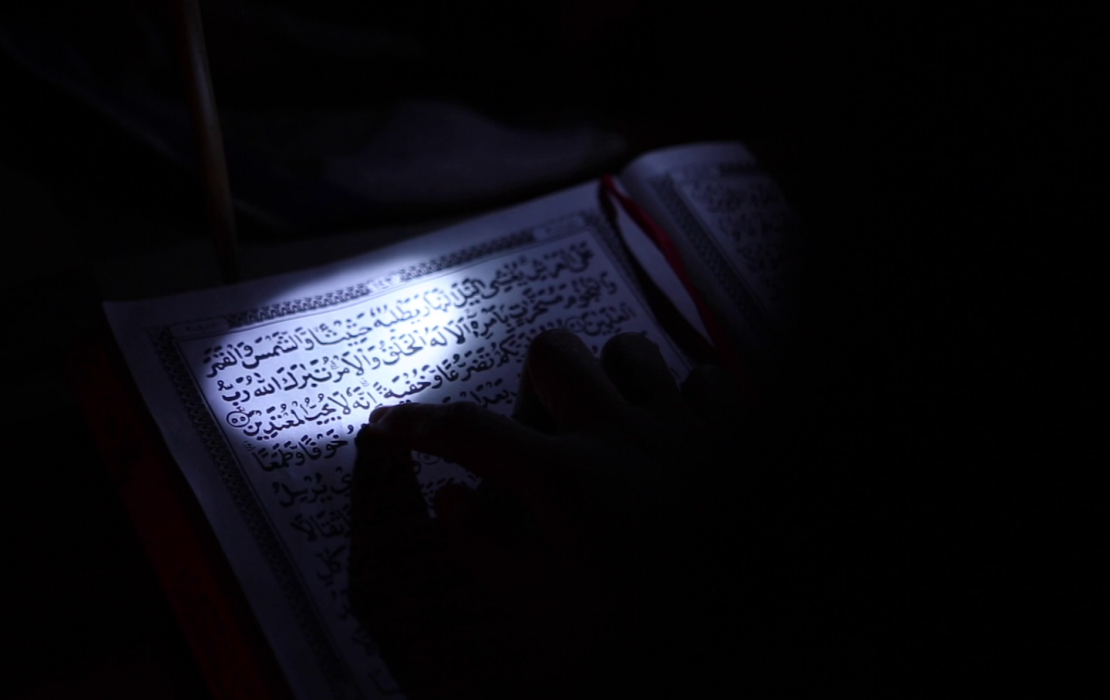
Before getting access to electricity, the community couldn’t carry out religious activities at night. Photo: UNDP Indonesia
Promoting women’s empowerment through energy access
The impact has also reached local livelihoods. A women’s weaving cooperative in the village, supported by the project, has seen a boost in productivity, thanks to electric looms.
“Before, we could only weave during the day,” says Ibu Nilis, one of the weavers. “Now, we can keep working after dark and earn more income. It’s made a real difference for our families.”
Moreover, recognizing the underrepresentation of women in the energy sector, which constitute less than 5 percent of certified energy auditors and energy managers in Indonesia, the project also launched a training programme aimed at promoting gender equality and women’s participation in energy management. By providing technical knowledge, practical experience and soft skills, the Srikandi Energy programme helped break down barriers and empower women to take on pivotal roles in the energy sector.
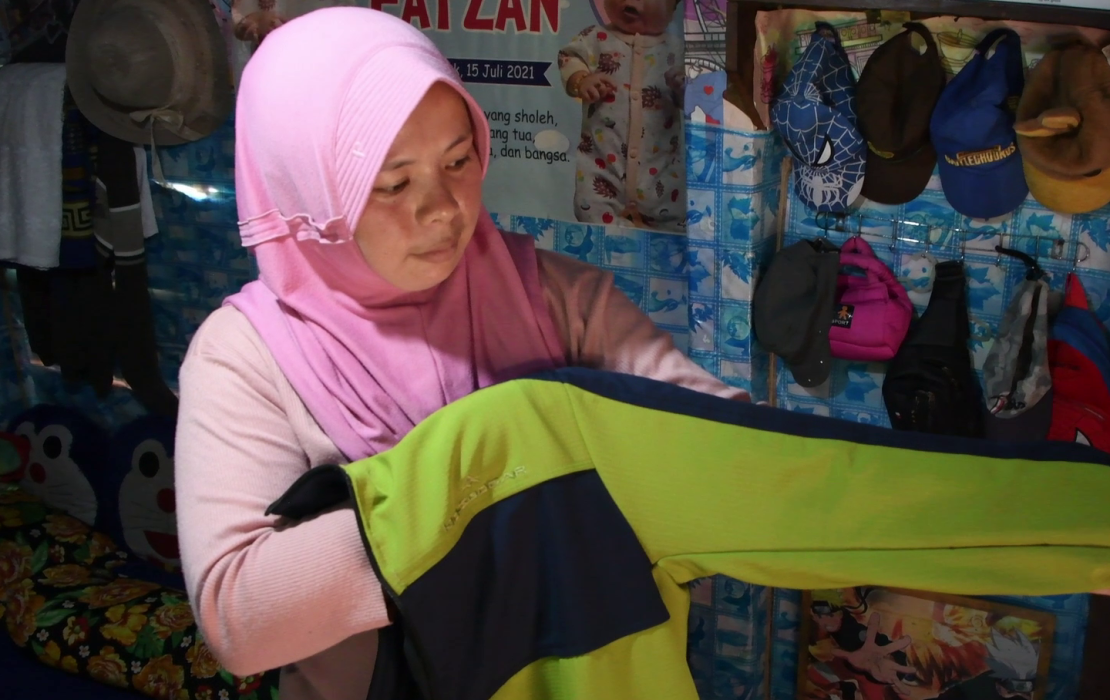
Ibu Nilis, a weaver in the community, has seen her productivity increase thanks to an electric loom. Photo: UNDP Indonesia

The Srikandi Energy programme helped break down barriers and empower women to take on pivotal roles in the energy sector. Photo: UNDP Indonesia
Investing in energy efficiency and digital platforms
Energy efficiency is one of the most effective ways to cut emissions and strengthen economies. The project has helped major state facilities lower energy use and adopt global best practices in energy management. In collaboration with state-owned enterprises PT Angkasa Pura I and PT Angkasa Pura II, the project has guided several airports through the process of obtaining the ISO 50001 certification, a key international standard for energy management systems.
The Soekarno-Hatta International Airport in the Jakarta metropolitan area and the I Gusti Ngurah Rai Airport in Bali have implemented energy conservation measures leading to significant reductions in greenhouse gas emissions. Additionally, the Banyuwangi Airport in East Java has achieved the GREENSHIP green building certification, making it the first green airport in Indonesia in the existing building category.
Sustainable energy progress also depends on investment. To connect investors with opportunities, the project enhanced the information and investment services of the Directorate General of New, Renewable Energy and Energy Conservation (LINTAS EBTKE) through a digital one-stop platform that simplifies information access, licensing and investment support.
Since its launch, the platform has accelerated renewable energy investment by streamlining information access, complaint management, investor assistance and licensing services, addressing longstanding market challenges and fostering Indonesia’s sustainable energy transition.
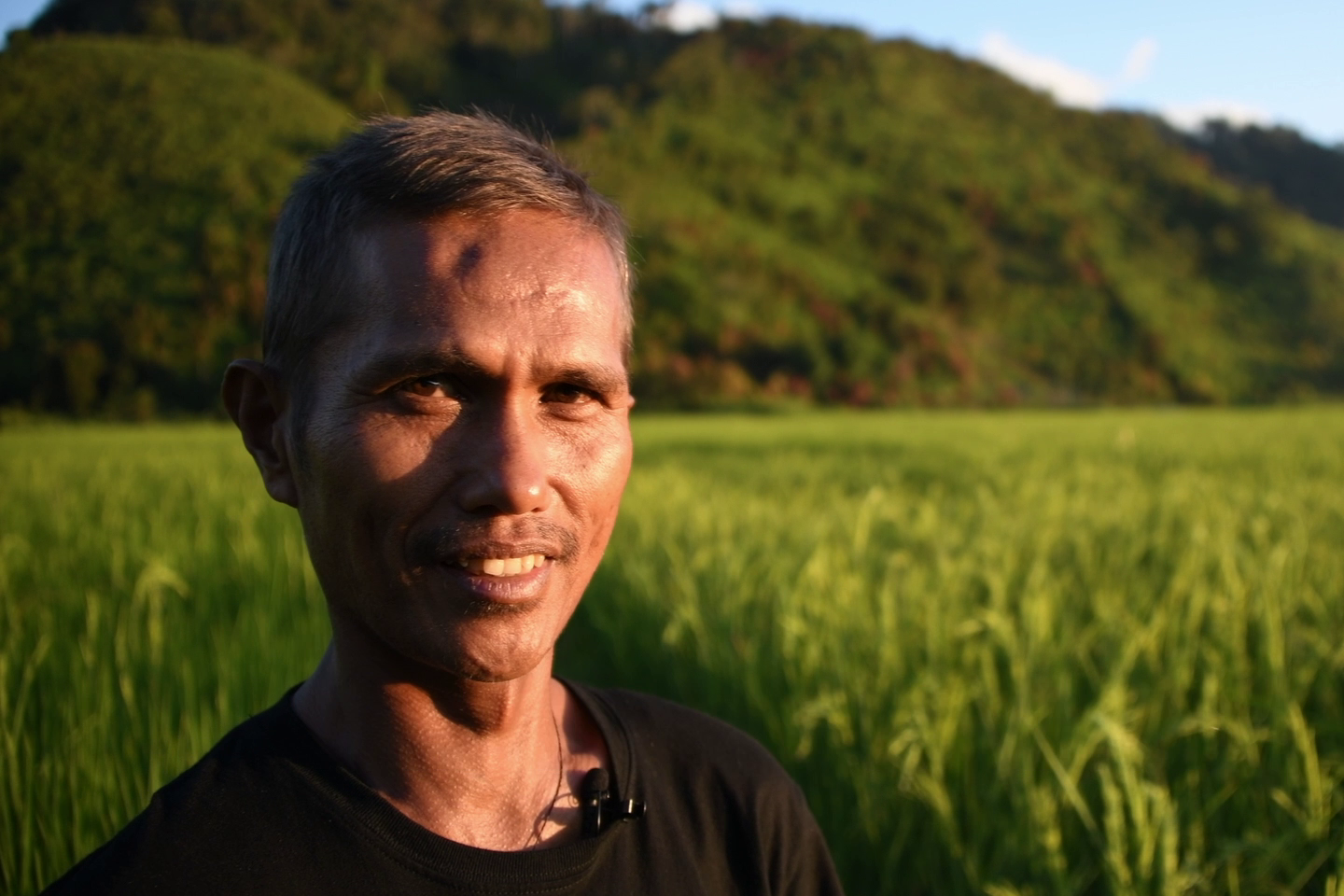
The project's multifaceted approach proves that Indonesia can drive sustainable development through sustainable energy. Photo: UNDP Indonesia
The project's multifaceted approach demonstrates a comprehensive strategy toward sustainable development through sustainable energy. By addressing both the supply and demand sides of the energy sector and promoting inclusivity, the project sets a precedent for future initiatives aiming to balance economic growth with environmental stewardship.
*
This project was a collaborative initiative between UNDP and Indonesia's Ministry of Energy and Mineral Resources (MEMR), funded by the Global Environment Facility (GEF).
Explore More Stories