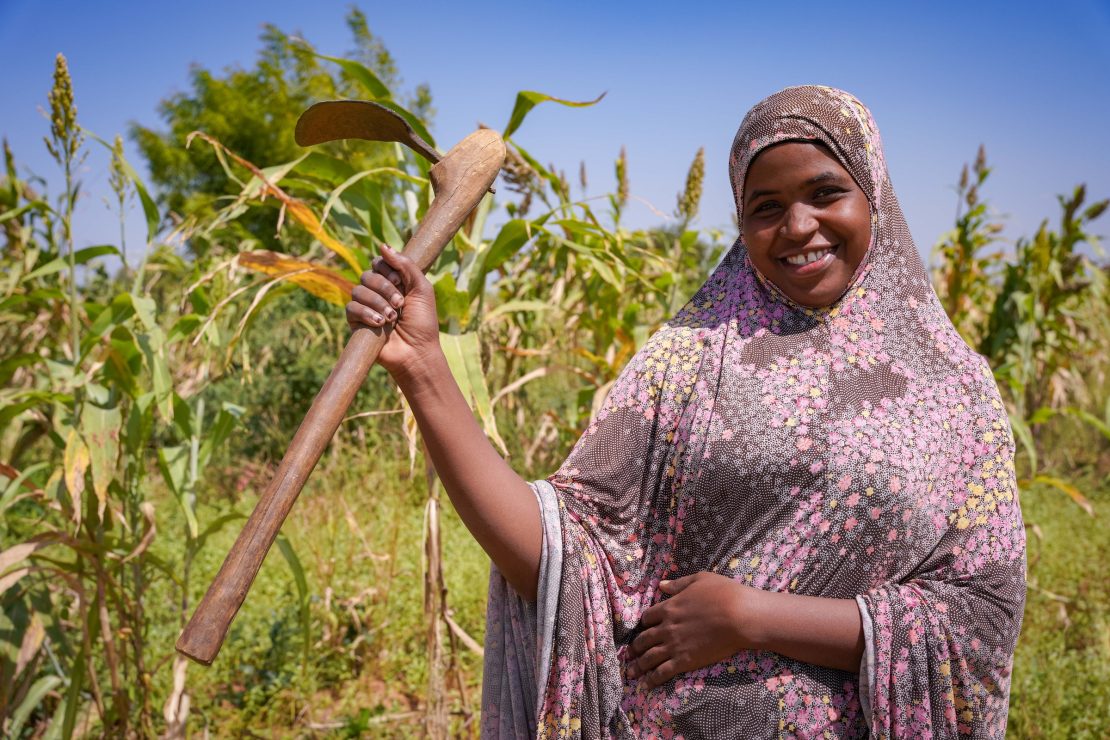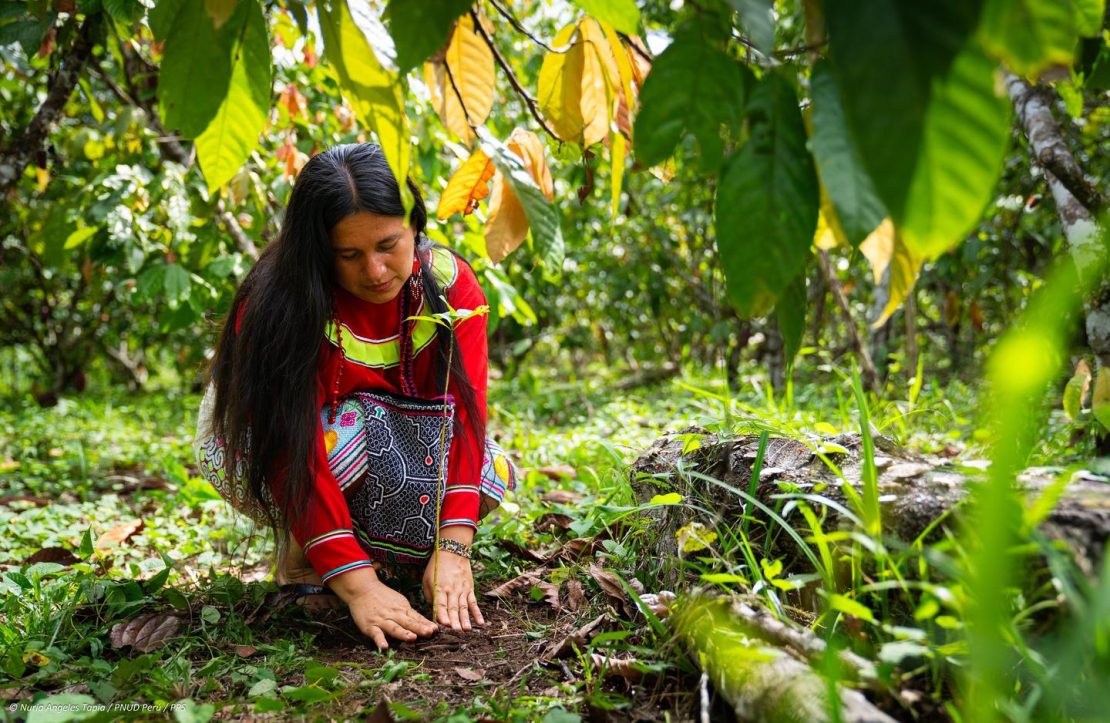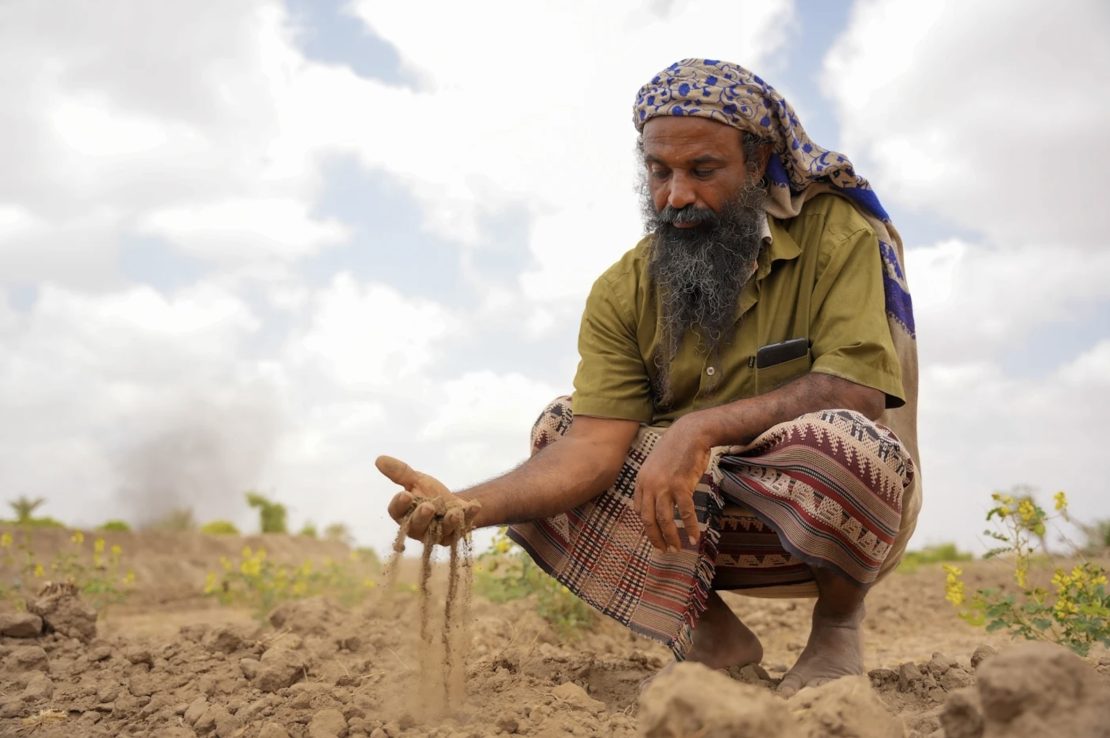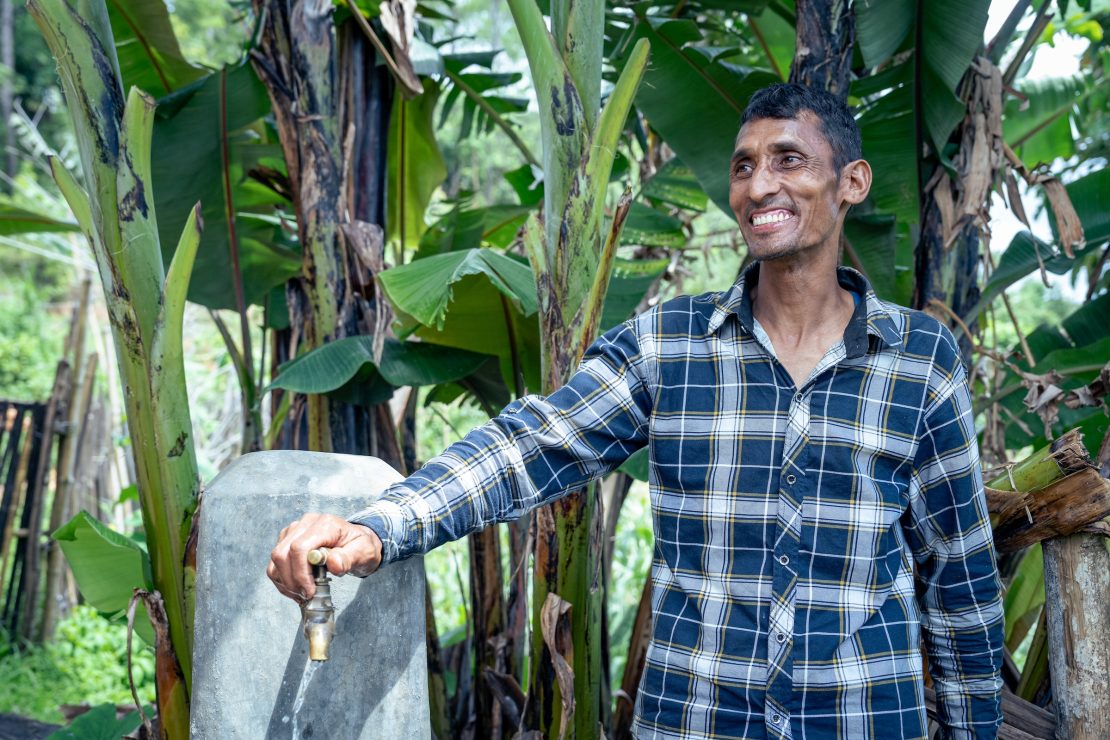

The work featured here has been funded by the Global Environment Facility (GEF). The GEF includes several multilateral funds working together to address the planet's most pressing environmental challenges and support developing countries to meet international environmental goals. UNDP has partnered with the GEF since 1991, supporting over 160 countries with over US$8 billion in grant funding. In its active portfolio, for every $1 in grants received, an additional $6 in co-financing investments are unlocked.
Global Environment Facility / GEF
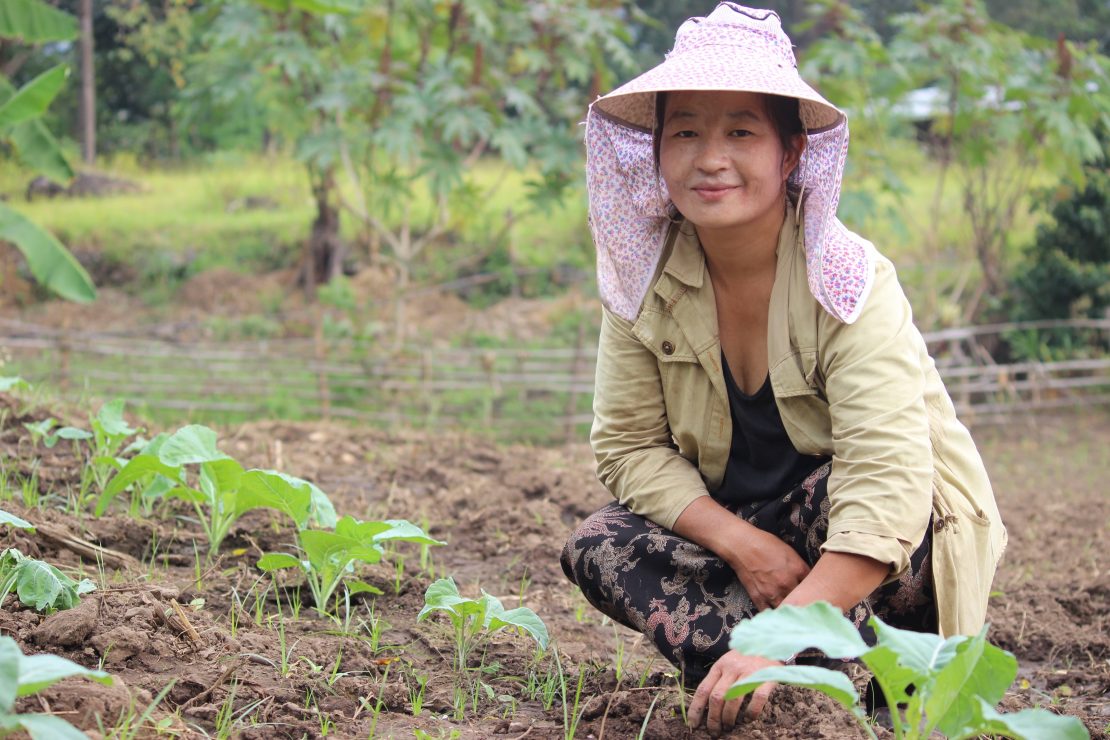
From the forests of Ecuador to the farms of Nigeria to the city halls of Viet Nam, countries made important strides on climate action in 2025.
National climate plans offer blueprints for local economic development.
Adaptation finance is not just about money – it’s about systems, predictability and results.
By reducing the risks posed by glacial lake outburst floods and droughts, Nepal is safeguarding lives, water sources and livelihoods.
Cabo Verde, the Central African Republic and Namibia are building up their national transparency capacities for more effective climate action.
Climate information and early warning systems underpin risk-informed development and adaptation planning.
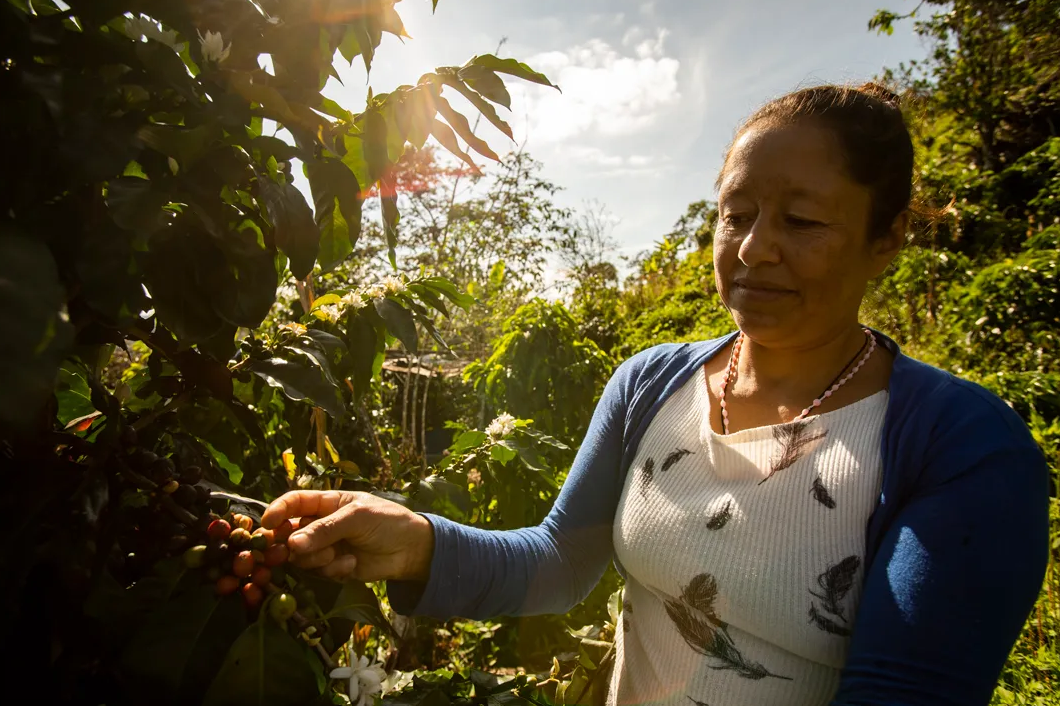
The nomination is in recognition of its efforts to tackle forest loss resulting from agricultural expansion of coffee.
From Colombia to Iraq and from Kenya to Timor-Leste, countries are finding solutions to building peace and climate resilience.
Five countries are using nature-based solutions to build climate resilience across urban, coastal, highland, and rural landscapes.
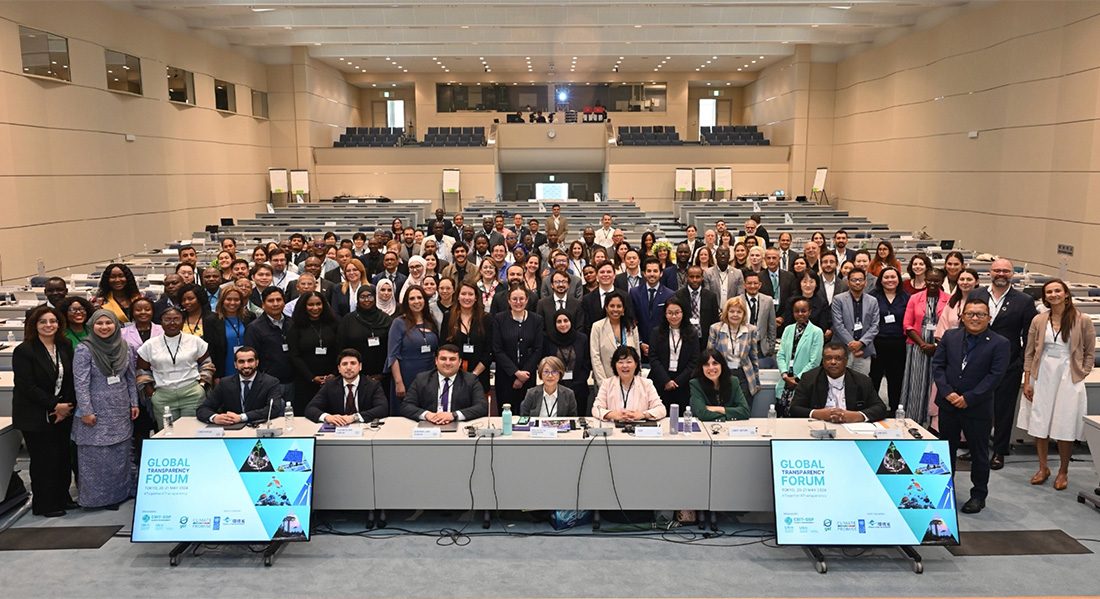
The programme aims to build the capacity of developing countries to meet the requirements of the Enhanced Transparency Framework (ETF) .
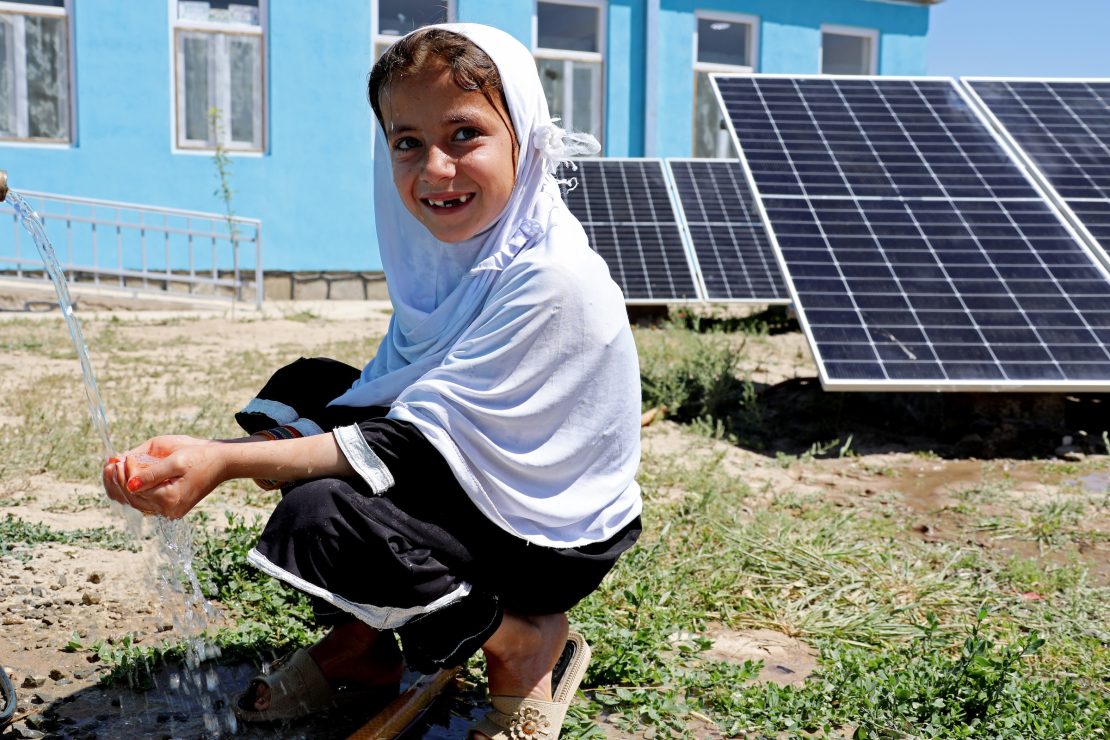
Sustainable energy can help lay the groundwork for long-term peace and economic recovery in fragile and conflict-affected settings.
UNDP and the Lavazza Foundation have announced a new initiative that will provide clean water access in Ecuador.