0.27%
Share of global GHG emissions
Based on data from Climate Watch (CAIT 2022), developed and maintained by the World Resources Institute. #115
Climate Vulnerability Index ranking
A higher number means a higher vulnerability to climate change. Based on the ND-GAIN Index (2023), developed by the University of Notre Dame. #108
Human Development Index ranking
A lower number means a better human development score. Based on the Human Development Index (2023), developed by UNDP. NDC Status
Bolivia submitted its third NDC in September 2025.
Key highlights from the NDC
- Bolivia’s third NDCs sets out sectoral targets to 2035 that integrate mitigation, adaptation, and joint commitments, with adaptation prioritized due to Bolivia’s high vulnerability.
- The NDC showcases increased ambition in the energy sector, with new measures such as achieving 50 percent LED coverage in public lighting, scaling up electric public transport, reducing fossil fuel consumption by 80 percent in isolated power systems, and deploying green hydrogen plants.
- The 2035 vision aspires to a strengthened forest sector as a guardian of life and engine of the bioeconomy, a clean and inclusive energy system, a climate-resilient agricultural sector that ensures food security, resilient water resources that safeguard the human right to water and sanitation, and circular waste management.
- The NDC further refines the country’s agriculture and water targets for greater precision, and includes waste management for the first time.
- Importantly, targets now include detailed indicators—expressed in tCO₂eq, hectares, MWh, among others—increasing the clarity and transparency of the NDC and enabling more robust monitoring and impact measurement.
- Bolivia emphasizes just transition, food and energy sovereignty, and respect for the rights of Mother Earth and Vivir Bien—the foundation of the country’s ancestral worldview. Gender equality, interculturality, youth, health, education, innovation, and integrated risk management are explicitly mainstreamed, ensuring that climate action reduces inequalities and strengthens social, productive, and ecosystem resilience.
- The NDC calls for international support and private investment, proposing the need for resource mobilization through multilateral and bilateral funds, regional and multilateral development banks, carbon markets, and private capital under a supportive regulatory framework.
- UNDP's Climate Promise supported shaping energy sector targets, developing an implementation plan with a resource mobilization strategy and proposed regulatory framework, and advancing a Green Climate Fund readiness project to support implementation.
How UNDP’s Climate Promise is helping Bolivia
The Climate Promise is being delivered in collaboration with key partners.






Latest Updates
See allBolivia’s new energy sector roadmap helps the country diversify its energy mix, pursue regulatory reforms and strengthen energy security.

Youth from around the world are showing what happens when they are not just invited to the table but trusted to lead.

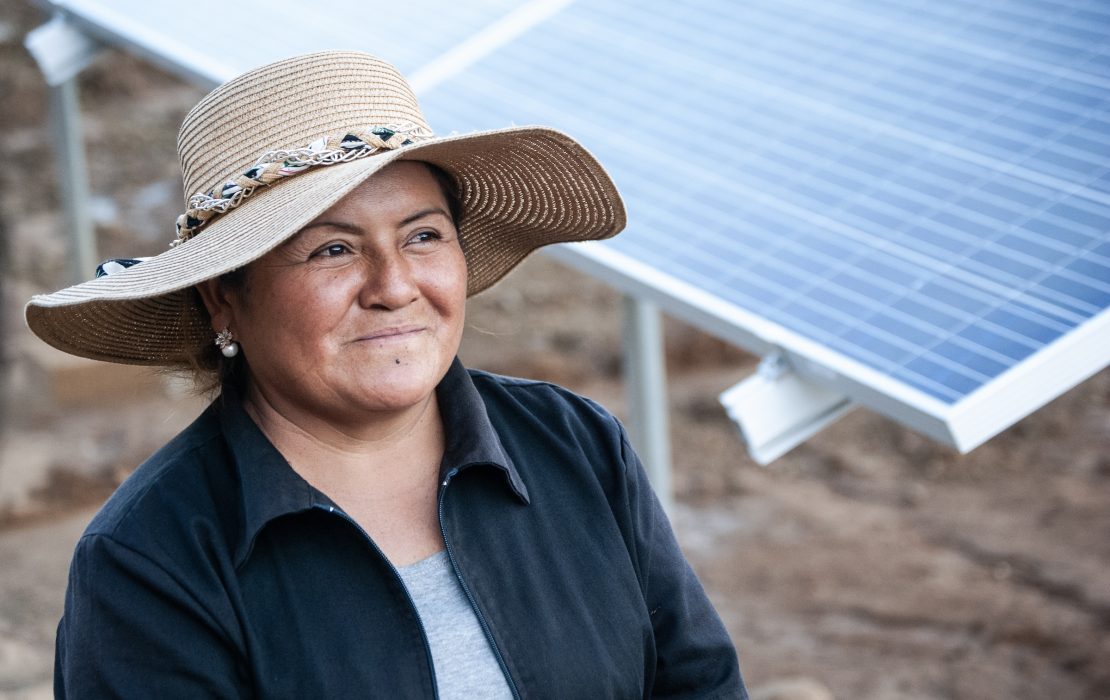
Solar-powered technology helps rural communities build resilience to climate change impacts by adapting and diversifying livelihoods.
Latest Publications
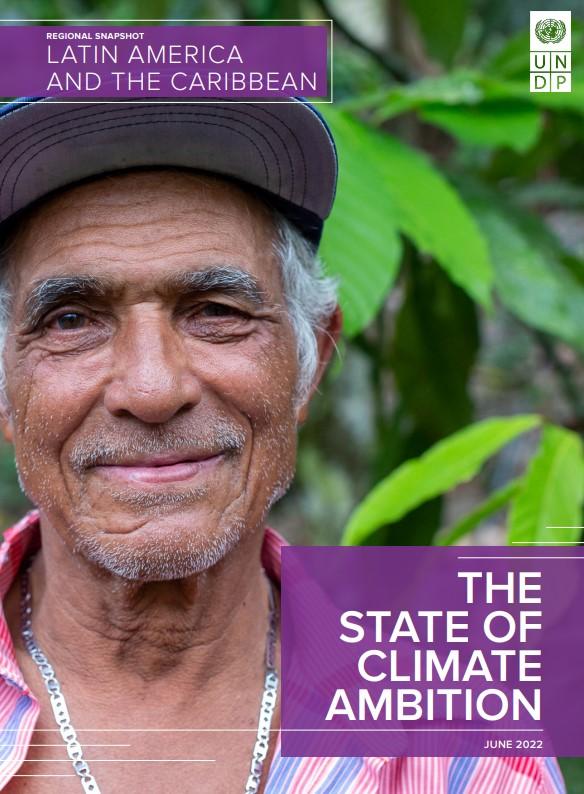
See allThe Latin America and the Caribbean (LAC) region is considered a “biodiversity superpower,” with one of the greatest endowments of natural capital in…