0.03%
Share of global GHG emissions
Based on data from Climate Watch (CAIT 2022), developed and maintained by the World Resources Institute. #174
Climate Vulnerability Index ranking
A higher number means a higher vulnerability to climate change. Based on the ND-GAIN Index (2023), developed by the University of Notre Dame. #163
Human Development Index ranking
A lower number means a better human development score. Based on the Human Development Index (2023), developed by UNDP. NDC Status
Mauritania submitted its third NDC in October 2025.
Key highlights from the NDC
- Mauritania's third NDC commits to an unconditional economy-wide GHG reduction target of 8.1 percent by 2035 compared to BAU and a conditional GHG reduction target of 67.7 percent by 2035. The NDC also includes the target to aim for near-neutrality in 2050 (95.27 percent reduction) of which 10.2 percent is unconditional.
- The implementation of the third NDC aligns with the National Strategy for Accelerated Growth and Shared Prosperity (SCAPP 2016-2030), as well as with the National Adaptation Plan and the National Disaster Risk Prevention Plan (PNPRC).
- The adaptation component is further elaborated with measures on climate change related human mobility and security matters, referencing initiatives on humanitarian matters, peacebuilding and cross-border water management.
- Mauritania’s new NDC places a strong emphasis on gender and youth considerations, making a reference to the National Gender and Youth Strategy. The new NDC also stresses the importance of education, jobs and just transition, and alignment with the SDGs.
- UNDP, in collaboration with key UN entities, especially UNEP, played a key role in supporting the stocktake of NDC implementation, helped undertaking assessments and studies, and ensured a more inclusive NDC development process through extensive stakeholder engagement in line with the country's decentralization approach to focus impact on the local population.
NAP Status
Mauritania launched its National Adaptation Plan (NAP) process between 2015 and 2019 with support from GIZ, UNEP-UNDP’s NAP Global Support Programme, and the Green Climate Fund (GCF), but has not yet formally submitted a NAP to the UNFCCC.
How UNDP’s Climate Promise is helping Mauritania
The Climate Promise is being delivered in collaboration with key partners.





Latest Updates
See allPrivate financing is a crucial lever for unlocking new resources, enabling countries to reach their climate goals.
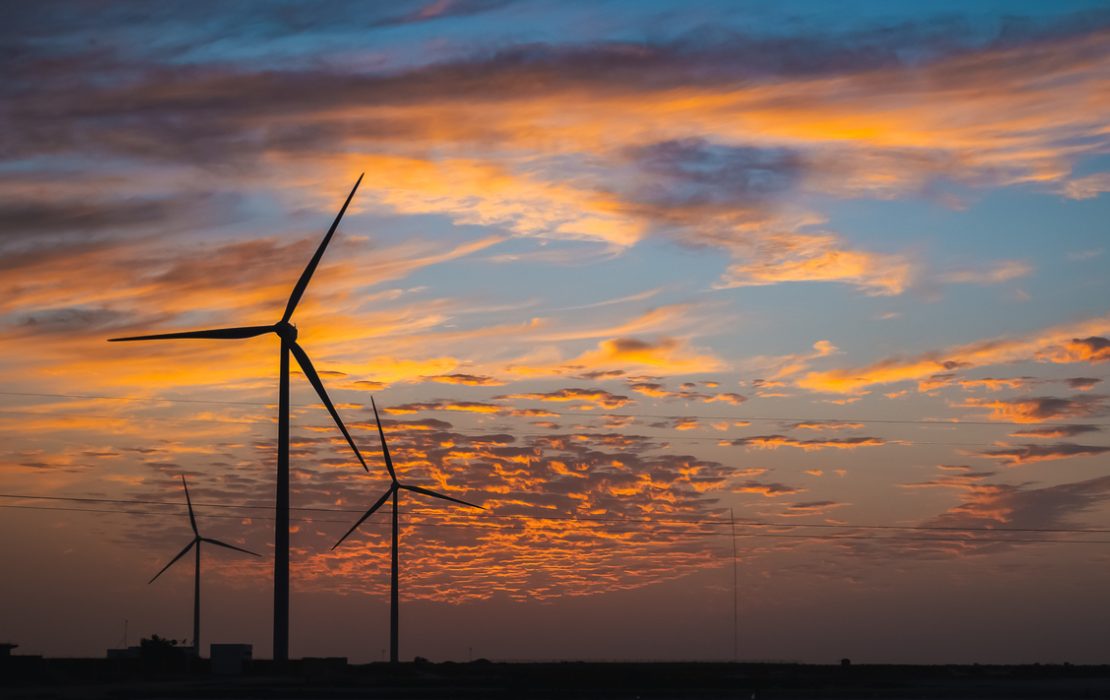
Increasing climate resilience, enhancing social cohesion, and creating income and economic opportunities
29 countries in the Africa region submitted more ambitious climate pledges in 2021 with support from Climate Promise.