0.66%
Share of global GHG emissions
Based on data from Climate Watch (CAIT 2022), developed and maintained by the World Resources Institute. #104
Climate Vulnerability Index ranking
A higher number means a higher vulnerability to climate change. Based on the ND-GAIN Index (2023), developed by the University of Notre Dame. #126
Human Development Index ranking
A lower number means a better human development score. Based on the Human Development Index (2023), developed by UNDP. NDC Status
Iraq submitted its third NDC in November 2025.
Key highlights from the NDC
- Iraq's updated NDC transitions the country from a voluntary vision toward a data-driven framework for climate-resilient development. While Iraq’s previous NDC was a qualitative policy document focused on post-conflict reconstruction, the updated NDC establishes clear targets to reduce greenhouse gas emissions across various sectors, aiming to maintain emission levels below 300 MtCO2e by 2035.
- Iraq’s updated NDC integrates AI for climate prediction and includes a detailed financial strategy. Key sectors, including energy (power, oil, and gas), industry, and waste, now have specific, measurable targets for reducing emissions and building climate resilience, while adaptation priorities focus on water resources, health, and agriculture to address extreme heat and water stress. Iraq has estimated the total financial requirement to cover mitigation and adaptation contributions at US$72.2 billion.
- The updated NDC has also estimated the annual economic loss and damage from climate change at approximately $5 billion, covering sectors like agriculture, infrastructure, energy, and health.
- To implement its climate goals, Iraq has outlined a diverse range of financing options, including international carbon markets under Article 6 of the Paris Agreement and engagement with the Green Climate Fund. A central feature of the updated NDC is the Climate Investment Plan (CIP), which serves as the foundation for calculating adaptation costs and identifying bankable projects.
- The document engaged a number of stakeholders, including local communities, women, displaced persons, and youth-led SMEs to ensure social equity.
- The updating of Iraq's NDC was facilitated through the technical support of UNDP, UNRCO, UNICEF, ITC, WHO, UN-Habitat, WFP, FAO, UNESCO, ILO, GIZ, and World Bank.
How UNDP’s Climate Promise is helping Iraq
The Climate Promise is being delivered in collaboration with key partners.







Latest Updates
See allFrom Colombia to Iraq and from Kenya to Timor-Leste, countries are finding solutions to building peace and climate resilience.
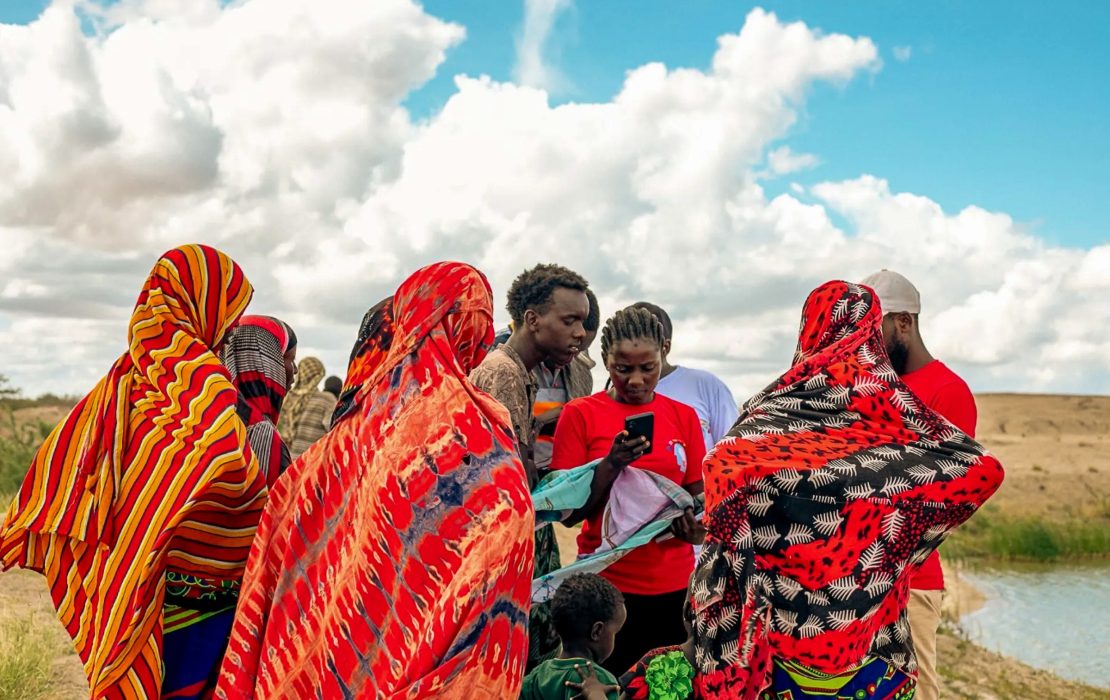
As the converging forces of climate change and conflict are reshaping development in the region, climate security has moved up the political agenda.
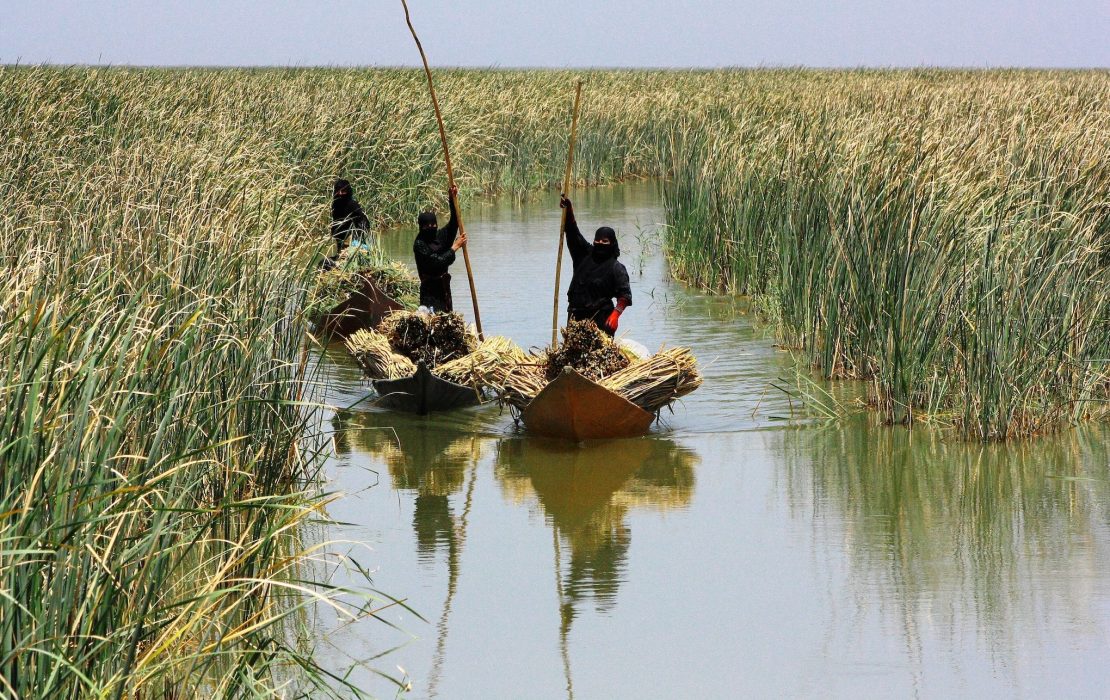
We spoke to Kishan Khoday, Regional Team Leader – Nature, Climate and Energy, about strategic priorities for countries in the region.
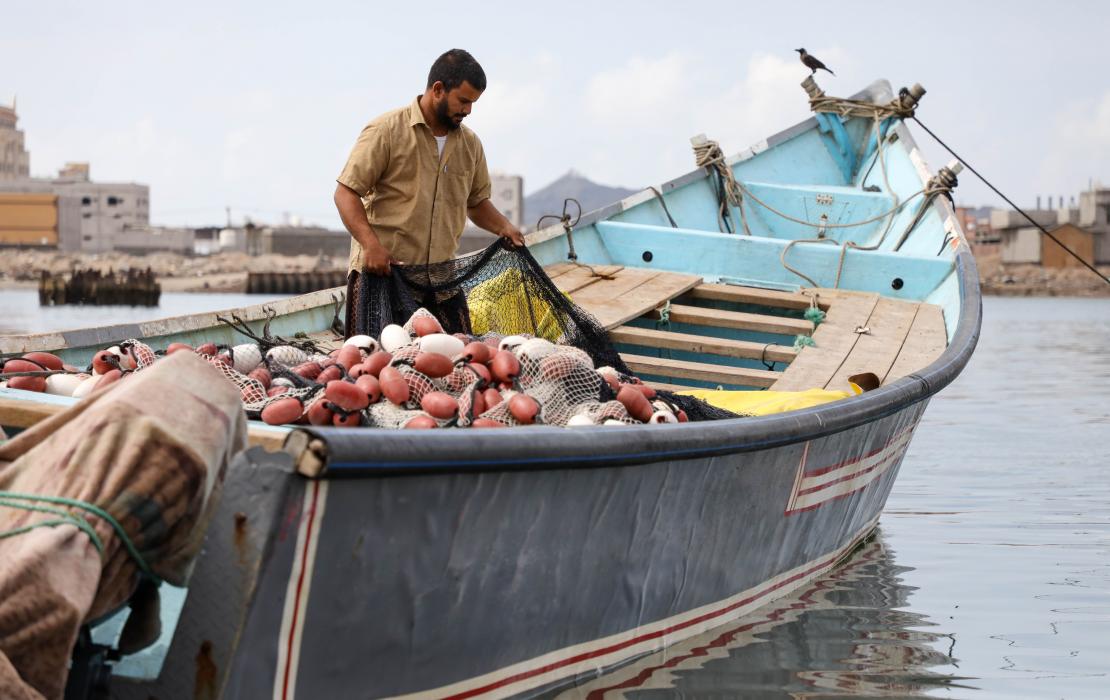
Latest Publications
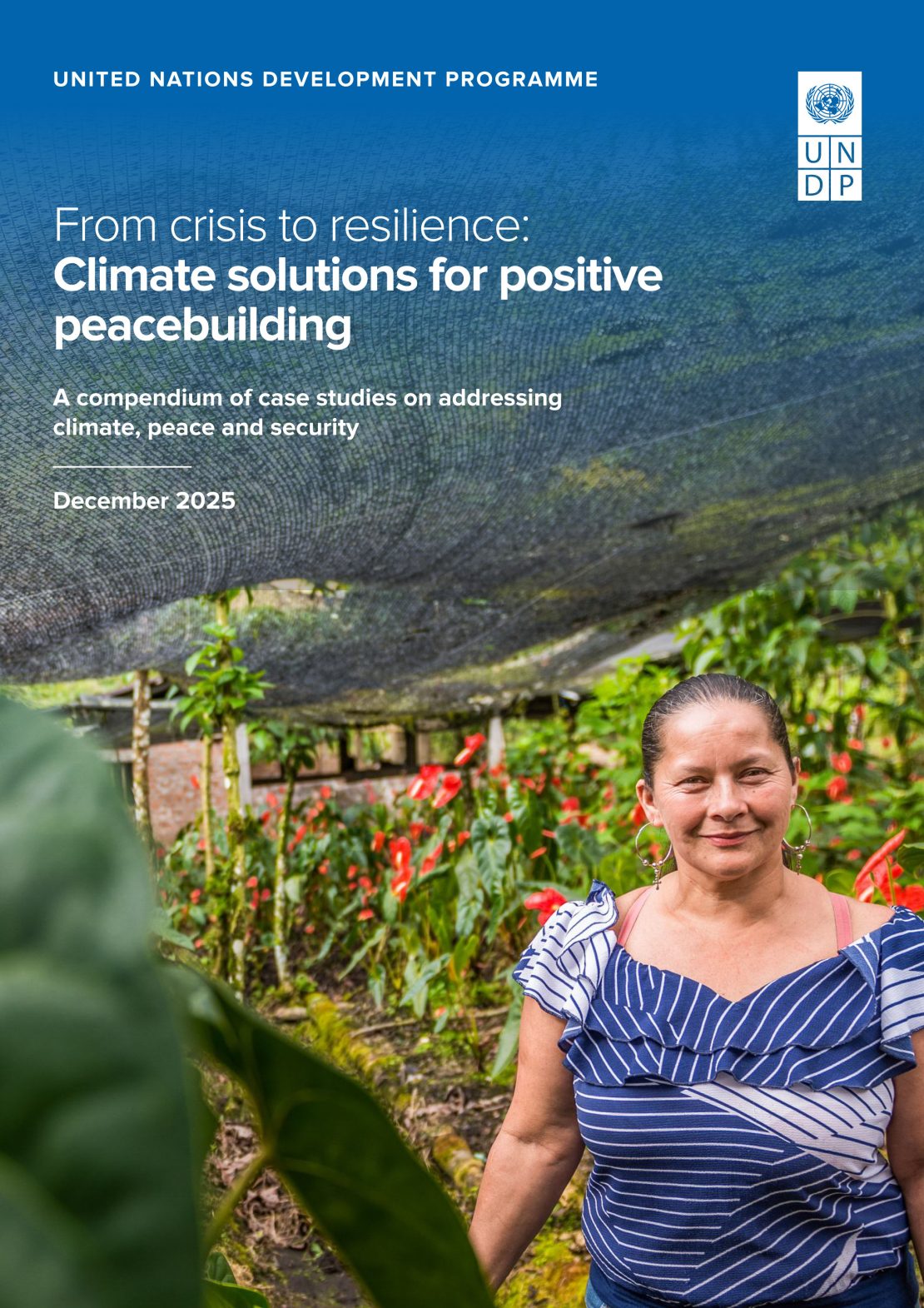
See allA compendium of case studies on addressing climate, peace and security.