-0.01%
Share of global GHG emissions
Extracted from the CAIT Climate Data Explorer (2022), developed and maintained by the World Resources Institute. #111
Climate Vulnerability Index ranking
A higher number means a higher vulnerability to climate change. Based on the ND-GAIN Index (2023), developed by the University of Notre Dame. #139
Human Development Index ranking
A lower number means a better human development score. Based on the Human Development Index (2023), developed by UNDP. NDC Status
Honduras submitted its third NDC in January 2026.
Key highlights from the NDC
- Honduras's third NDC introduces strengthened inter-institutional ownership, improved comparability of targets, and enhanced climate governance. These advances lay the foundation for more effective implementation and improved access to climate finance.
- The NDC aligns its ambition with global benchmarks, including net-zero CO₂ by 2050, while noting that national targets remain largely conditional on external financing.
- Honduras maintains an economy-wide mitigation target of reducing projected emissions by 17 percent over 2021–2030 compared to business-as-usual (BAU) and extends its trajectory to 2035 through a methodological projection. The NDC covers all major greenhouse gases and five key sectors: energy, industrial processes, agriculture, LULUCF, and waste. The NDC also highlights progress in REDD+ and engagement under Article 6.2, creating opportunities to leverage carbon markets and results-based finance.
- On adaptation, the NDC organizes actions under five strategic axes and 26 measures, covering food security, biodiversity, water, health, and resilient infrastructure. For the first time, it incorporates a dedicated Loss and Damage component. Adaptation priorities are aligned with national risk management and development policies.
- The NDC emphasizes gender equality, social inclusion, just transition, ecosystem conservation, and alignment with the Sustainable Development Goals, promoting stronger climate–nature integration. While comprehensive cost estimates are pending, it identifies international climate finance, technology transfer, and capacity building as key means of implementation.
- UNDP, through its Climate Promise initiative, played a leading technical and coordination role, in close collaboration with GIZ, The Pew Charitable Trusts, the Alliance of Biodiversity International and CIAT, and the NDC Partnership.
How UNDP’s Climate Promise is helping Honduras
The Climate Promise is being delivered in collaboration with key partners.








Latest Updates
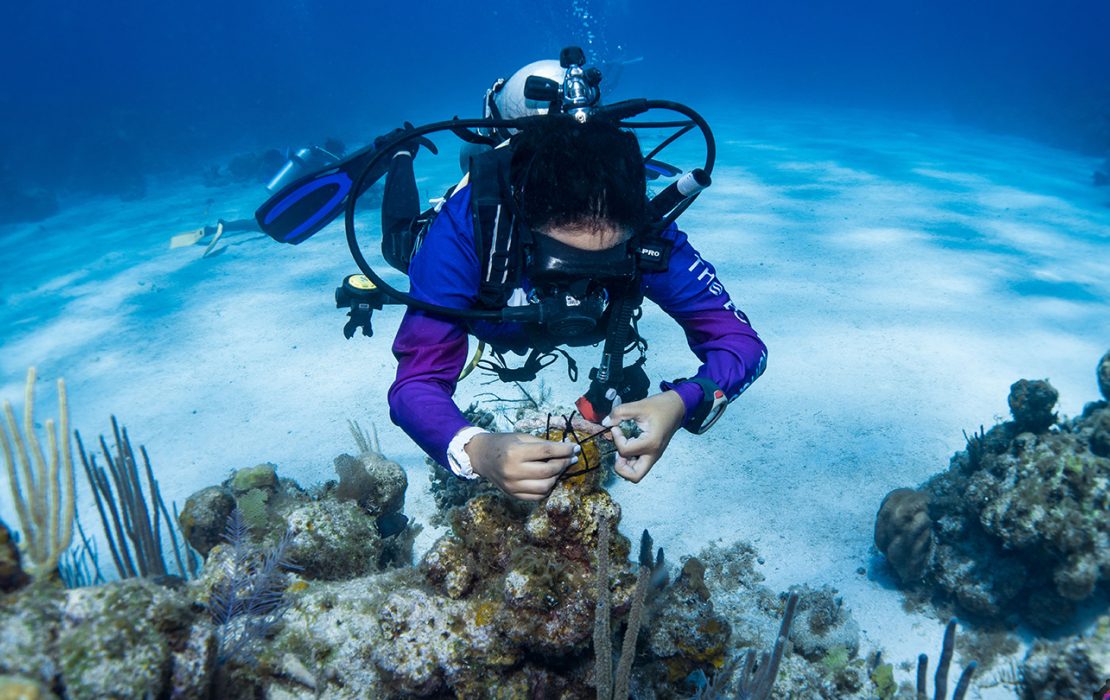
See allIn Honduras, Mexico, Belize and Guatemala, rapid-response brigades are diving in to repair reefs, protecting biodiversity and livelihoods.
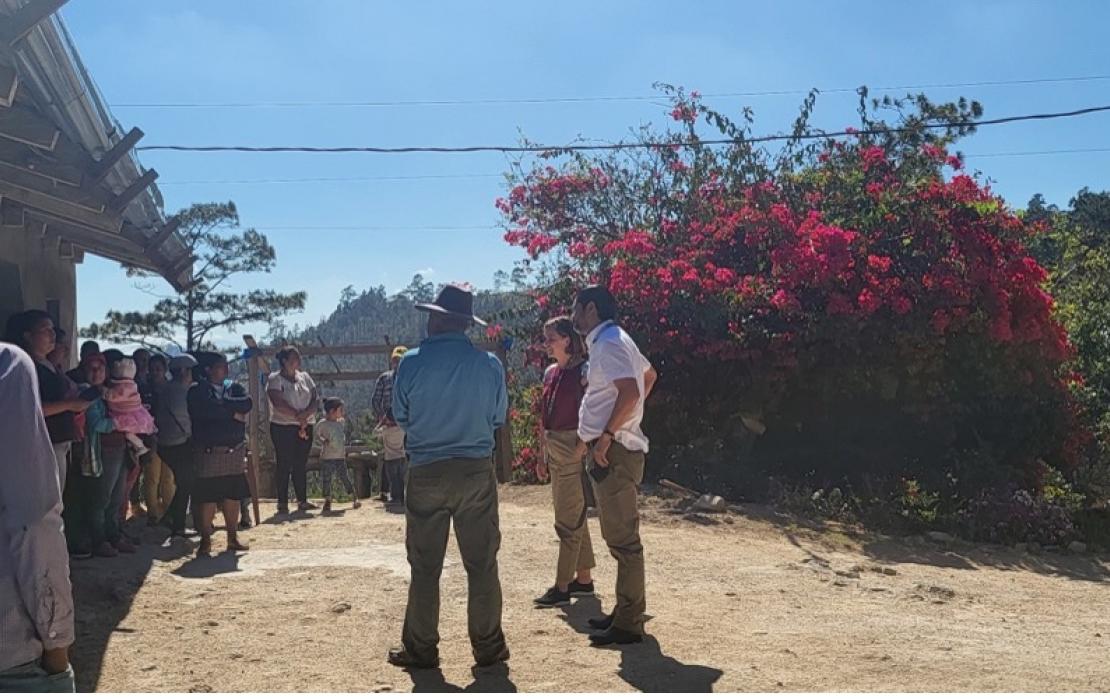
As demand for fresh water grows, young researchers from the University of Honduras are working with local communities on comprehensive solutions.
The impacts of the climate crisis are all around us. Yet despite the headlines, there is hope to be found in climate action.
Latest Publications
See allThe Latin America and the Caribbean (LAC) region is considered a “biodiversity superpower,” with one of the greatest endowments of natural capital in…