0.00%
Share of global GHG emissions
Based on data from Climate Watch (CAIT 2022), developed and maintained by the World Resources Institute. #159
Climate Vulnerability Index ranking
A higher number means a higher vulnerability to climate change. Based on the ND-GAIN Index (2023), developed by the University of Notre Dame. #152
Human Development Index ranking
A lower number means a better human development score. Based on the Human Development Index (2023), developed by UNDP. NDC Status
The Union of the Comoros submitted its third NDC in March 2026.
Key highlights from the NDC
- Comoros' third NDC presents a trajectory of deep decarbonization of economy-wide emissions while maintaining the country's status as a net carbon sink.
- Comoros commits to an economy-wide greenhouse gas (GHG) reduction target of 57 percent by 2035 compared to business-as-usual. This represents a major increase from the previous NDC, which committed to a 23 percent emission reduction (excluding the Land Use, Land-Use Change, and Forestry sector) by 2030.
- Key improvements include the inclusion of new gases (hydrofluorocarbons) and sub-sectors (liquid waste), the extension of the time horizon to 2035, and the shift from a project-based to an integrated sectoral approach.
- The energy sector features detailed sub-sectoral mitigation pathways covering electricity generation, land transport, maritime and aviation, residential, fisheries, and clean cooking measures including improved cookstoves, biodigesters, and domestic gas for rural households. A 50 percent reduction in short-lived climate pollutants (methane) is also targeted.
- The adaptation component is significantly elaborated compared to the previous NDC, with quantifiable targets across five pillars: (i) water and water management, targeting the restoration of priority watersheds, and reduction in water network losses; (ii) agriculture and food security, through climate-smart agriculture and livelihood diversification; (iii) coastal zones and marine ecosystems; (iv) infrastructure and habitat; and (v) health and well-being, with integrated climate-health surveillance systems, early warning systems, and resilient water, sanitation and hygiene (WASH) infrastructure. The NDC also introduces inclusive insurance and climate risk financing mechanisms as adaptation tools.
- The NDC integrates gender equality and social inclusion with gendered indicators for both mitigation and adaptation, just transition aligned with ILO principles, children's rights, and alignment with the SDGs and Agenda 2063.
- Total implementation costs are estimated at approximately US$ 600 million for mitigation, with adaptation investments estimated at $6.6 billion by 2030, broken down by sector. Financing mechanisms include green and blue bonds, carbon market opportunities under Article 6, and multilateral partnerships.
- UNDP, through the Climate Promise initiative, supported the NDC revision alongside UNICEF, ILO, and UNEP, engaging approximately 250 stakeholders through inclusive consultations.
How UNDP’s Climate Promise is helping Comoros
The Climate Promise is being delivered in collaboration with key partners.




Latest Updates
See allComoros is tackling water scarcity with climate-smart planning, resilient infrastructure and community action to secure safe water for all by 2030.
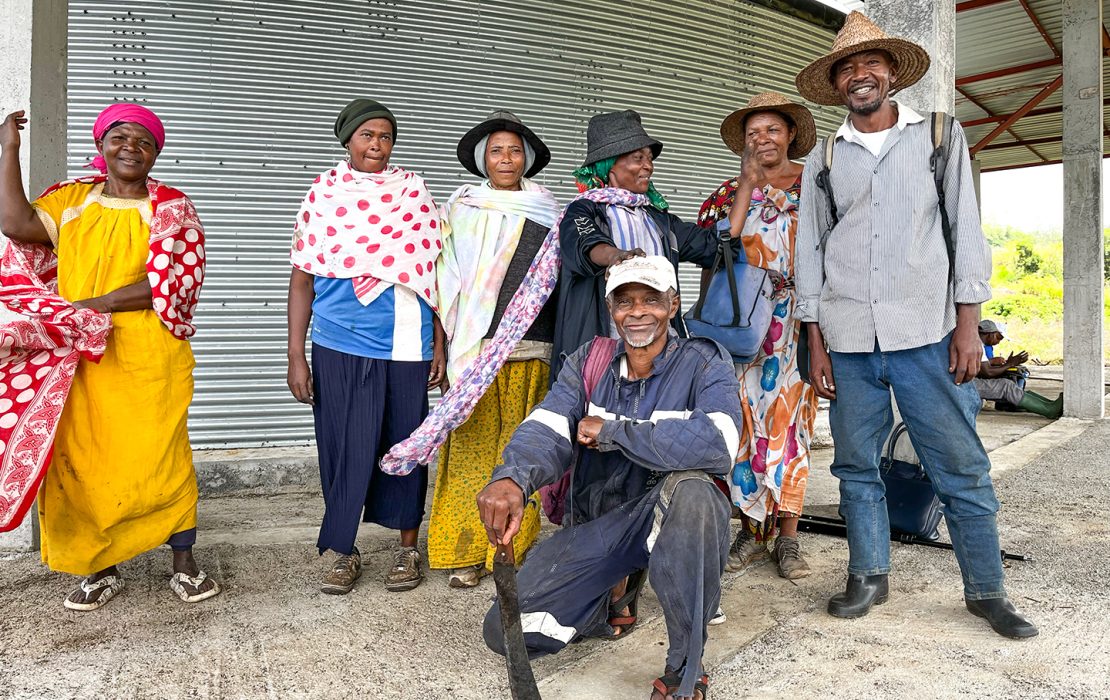
Funding from the Least Developed Countries Fund will boost climate resilience and foster inclusive, green economic development in the four countries.
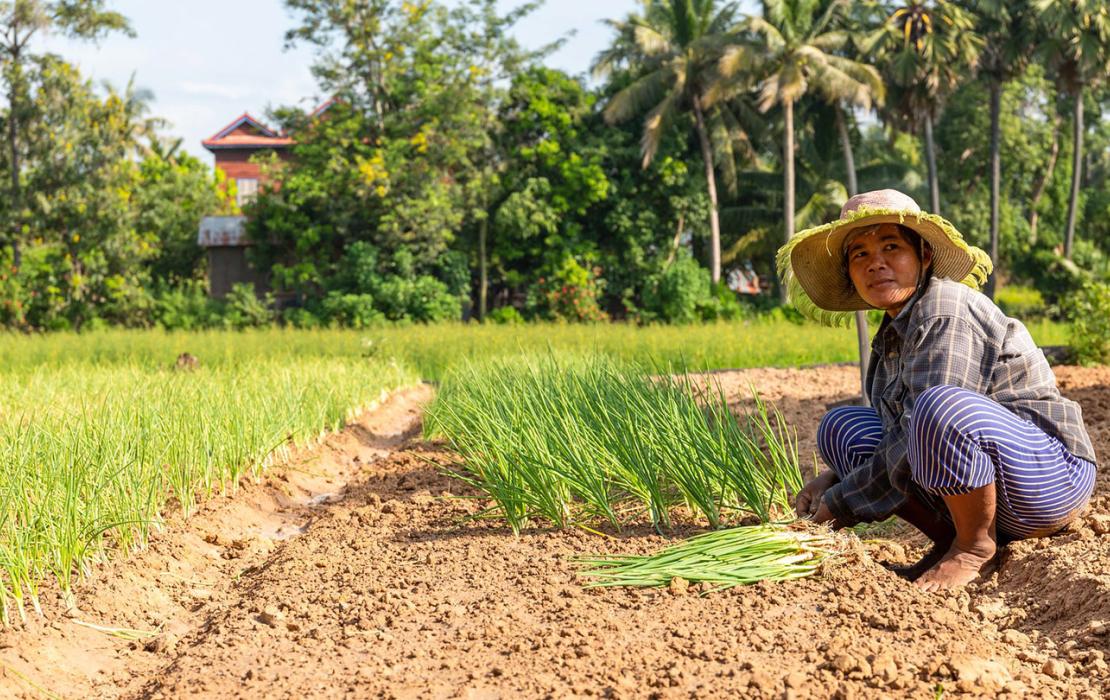
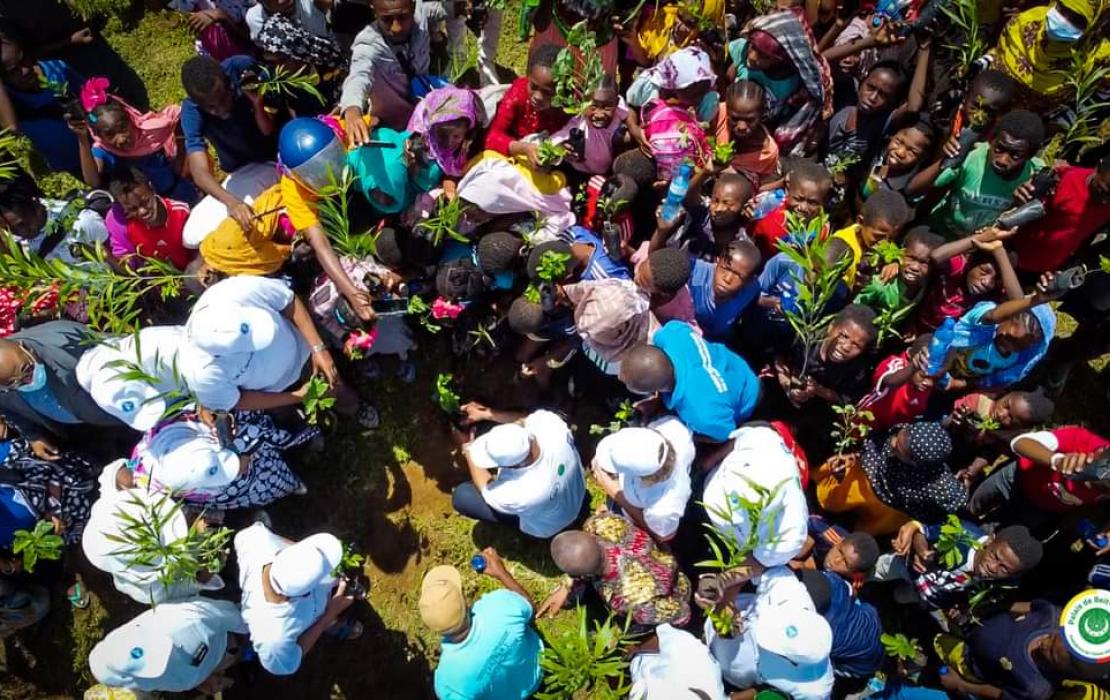
A major reforestation campaign aiming at protecting watersheds and reaching the goals of the country's NDC.