0.03%
Share of global GHG emissions
Extracted from the CAIT Climate Data Explorer (2022), developed and maintained by the World Resources Institute. #65
Climate Vulnerability Index ranking
A higher number means a higher vulnerability to climate change. Based on the ND-GAIN Index (2023), developed by the University of Notre Dame. #62
Human Development Index ranking
A lower number means a better human development score. Based on the Human Development Index (2023), developed by UNDP. NDC Status
Costa Rica submitted its third NDC in November 2025.
Key highlights from the NDC
- Costa Rica's updated NDC strengthens the country’s commitments across mitigation, adaptation, inclusion, and financing. The NDC establishes an economy-wide net emissions budget for 2025 – 2035, covering all sectors and gases, equivalent to an approximate 53 percent reduction in GHG emissions, conditional on international support.
- Costa Rica strengthens its mitigation ambition through a detailed multisectoral portfolio that includes transformative actions in energy, electrified transport, waste management, agriculture and livestock, the FOLU sector, and emerging areas such as blue carbon.
- The NDC also integrates circular economy approaches, particularly in waste valorization and industrial processes.
- The country enhances its adaptation actions through alignment with the National Adaptation Plan (2022–2026), expanding coverage of water security, resilient cities, coastal zones, biodiversity, and agrolandscapes. A dedicated analysis of loss and damage addresses historical hydrometeorological losses, non-economic impacts, future projections, and risk-transfer mechanisms.
- The NDC aligns closely with the National Biodiversity Strategy and Action Plan (NBSAP), integrating biodiversity, forest conservation, ocean ecosystems, and nature-based solutions as core elements of climate action. This strengthens synergies with REDD+, blue carbon approaches, and conservation-based mitigation and adaptation.
- Costa Rica deepens its social and territorial inclusion by embedding gender equality, youth participation, and a comprehensive Just Transition framework. The NDC also formalizes the integration of Indigenous Peoples, drawing on validated territorial planning processes and REDD+ consultation mechanisms to ensure free, prior, and informed participation and to recognize Indigenous stewardship of forests and ecosystems.
- Finance considerations are explicitly addressed through a national sustainable finance taxonomy, detailed cost assessments and a strategy combining domestic resources, private investment, international cooperation, and high-integrity carbon markets under Article 6.
- UNDP, together with GIZ, the NDC Partnership, in collaboration with UN entities (including FAO, UNEP, UNIDO, UNICEF) and other partners supported technical assessments, modelling, and inclusive stakeholder engagement, contributing to a more robust NDC.
NAP Status
Costa Rica submitted its National Adaptation Plan (in Spanish) to the UNFCCC in May 2022.
How UNDP’s Climate Promise is helping Costa Rica
The Climate Promise is being delivered in collaboration with key partners.








Latest Updates
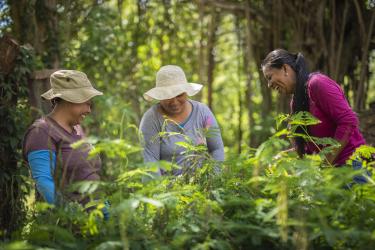
See allFrom the forests of Ecuador to the farms of Nigeria to the city halls of Viet Nam, countries made important strides on climate action in 2025.
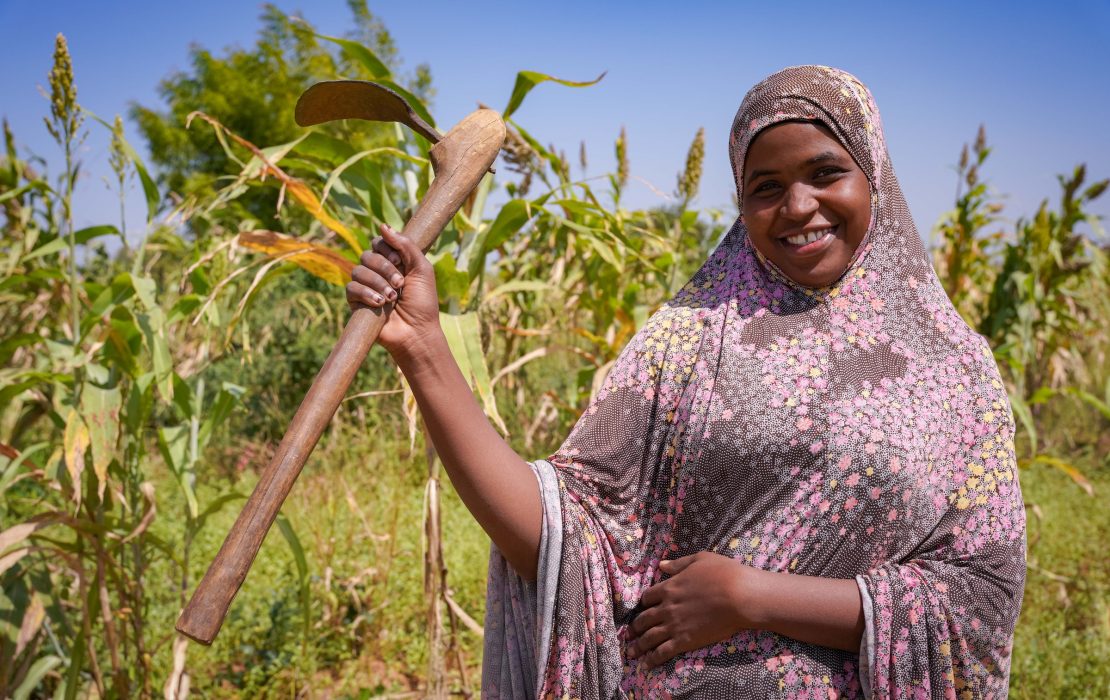
Building resilient food systems is one of the most urgent priorities of our time. Here are 5 ways countries are doing that.
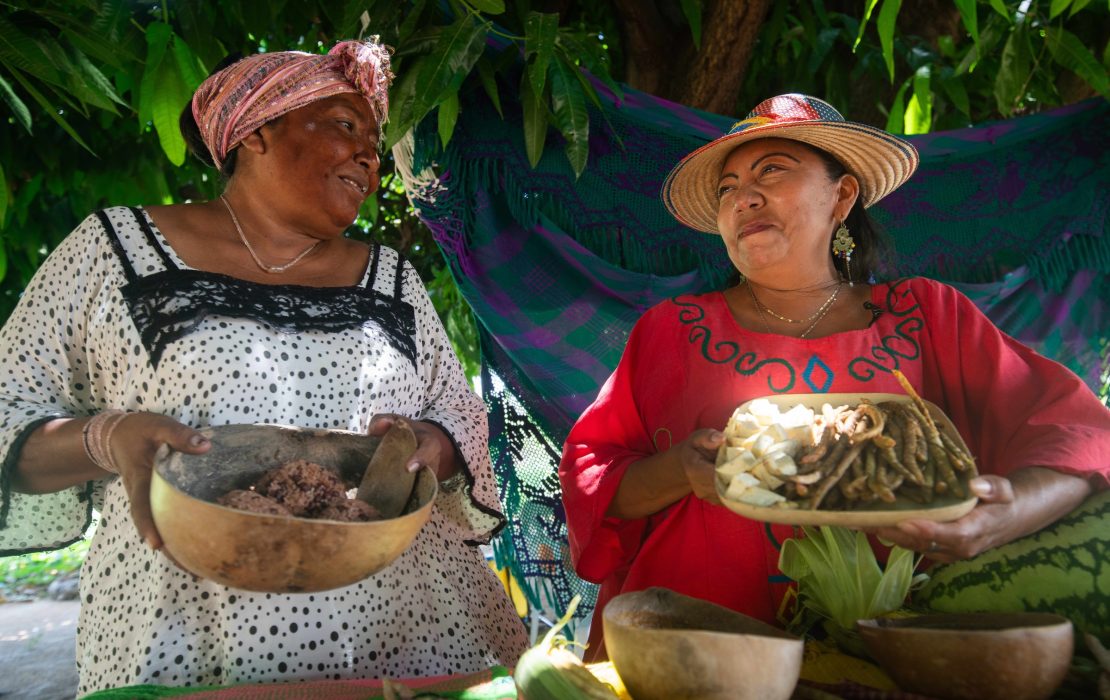
Despite promising results, results-based payments can be further improved to deliver both climate action and sustainable development.
Latest Publications
See allThis new report unpacks why a just transition is central to delivering the Paris Agreement and Sustainable Development Goals, analyses key global…