Search
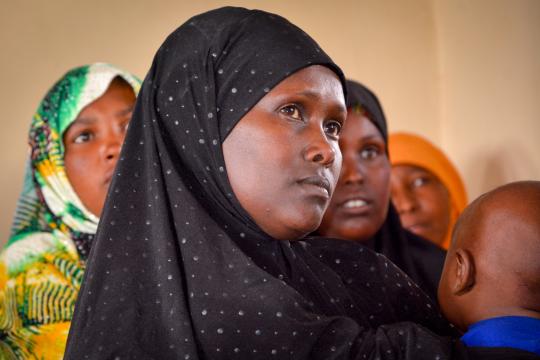
Women and youth representatives, as well as representatives of vulnerable communities, took part in consultations, helping shape revision of the NDC. Photo: UNDP Somalia
Despite facing conflict and political instability, Somalia shows strong climate action leadership through multi-sectoral, cohesive approach.
This technical brief was designed to inform policy makers in the review and update of Viet Nam's Nationally Determined Contributions (NDC). It aims…
The Nature-based Solutions Toolkit captures more than 100 tools and resources on nature-based solutions that can support national decision makers as…
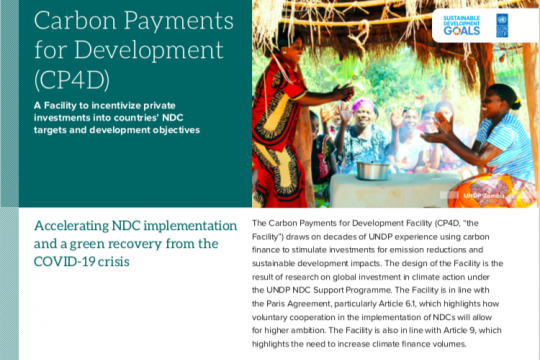
The Carbon Payments for Development Facility (CP4D) draws on decades of UNDP experience using carbon finance to stimulate investments for emission…
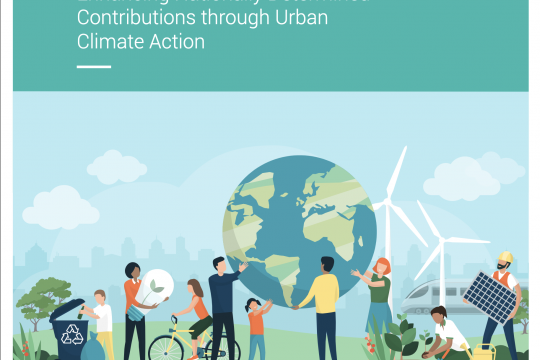
Inclusion of urban climate action and subnational government stakeholders in NDC formulation, priority setting, targets, governance and…

Nationally Determined Contributions (NDCs) are at the heart of the Paris Agreement and embodies efforts by each country to reduce national emissions…
This brief lays out the business case for private sector engagement in climate action.
This paper aims to help countries think through the process of enhancing their Nationally Determined Contributions (NDCs) to include strengthened…
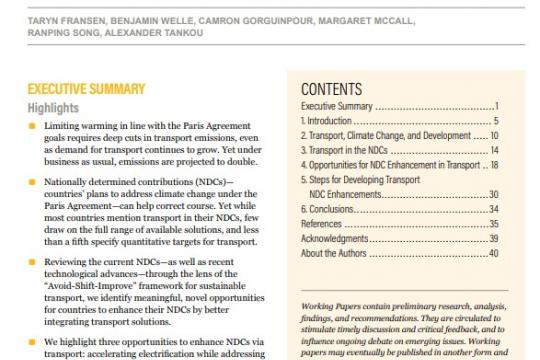
Limiting warming in line with the Paris Agreement goals requires deep cuts in transport emissions, even as demand for transport continues to grow.…
The toolkit helps government, civil society and other partners put gender equality at the core of immediate and long-term recovery processes.
The government of Lao PDR invited stakeholders to provide suggestions and feedback on a draft version of the Nationally Determined Contribution (NDC…
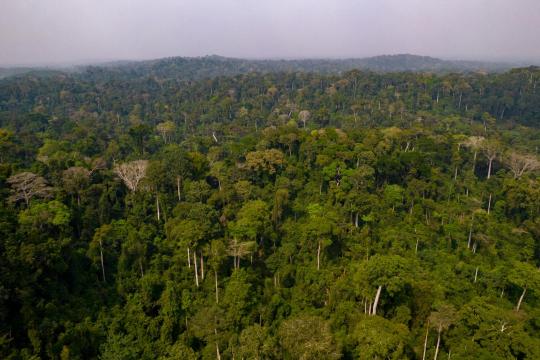
Kakum National Park, Cape Coast, Ghana. Photo: AdobeStock
Developing countries can use carbon markets to advance their socio-economic development, while transitioning to a low-carbon economy.
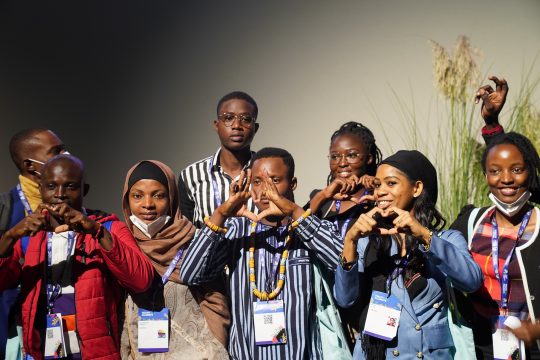
Africa's youth at COP26 pre-COP and youth event in Milan. Photo : Connect4Climate
Young people and youth leaders from across Africa have the ideas, solutions and motivation to solve the climate crisis.
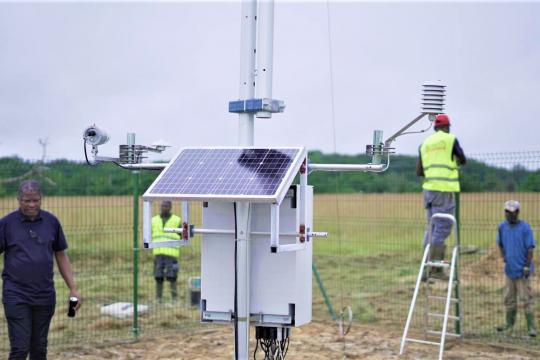
The meteorological station in Nyonie- Gabon’s Director of Meteorology is on the left. Photo : UNDP Gabon
Gabon’s 885 kilometers of coastline are essential to the country’s economy. Yet, they are increasingly vulnerable to climate change.
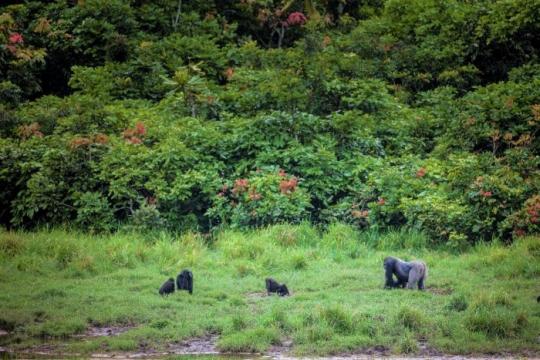
Western lowland gorillas at Langoue Bai in the Ivindo national park. Photo : Amaury Hauchard/AFP/Getty
Some 85 per cent of Gabon’s land is covered in carbon- absorbing rainforest, an area about the size of the United Kingdom.
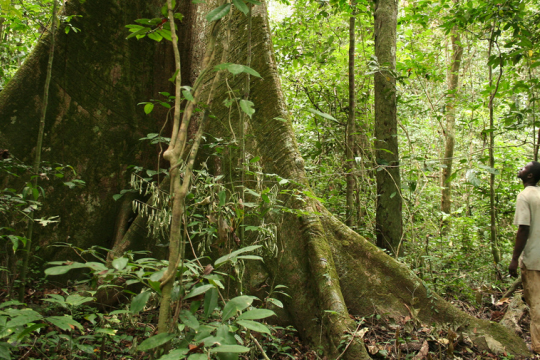
A man standing by a giant tree in a forest in Gabon. Photo : CAFI
UNDP is committed to support the government in exploring new financing instruments, particularly thematic bonds that take into account ESG criteria.
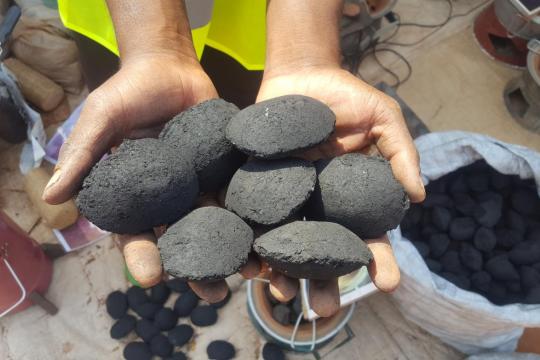
Bamboo charcoal locally produced in Malawi. Photo : UNDP Malawi/Madalitso Mbendera
Switching to bamboo charcoal not only brings significant environmental benefits, but also creates local jobs and new income opportunities.

About 70 percent of the world’s cobalt used for batteries in mobile phones and electric cars comes from the Democratic Republic of the Congo (DRC). Countries such as Zimbabwe and Namibia have among the largest reserves of lithium globally. Photo: UNDP in the Democratic Republic of Congo
Minerals such as graphite, lithium and cobalt could help meet growing demand for clean energy technologies.
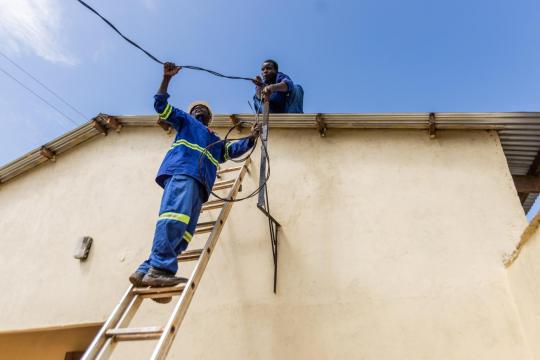
Two men installing a solar energy installation in Malawi. Photo : UNDP Malawi
The Access to Clean and Renewable Energy Project is aimed at increasing access to clean, affordable, reliable, and modern energy.
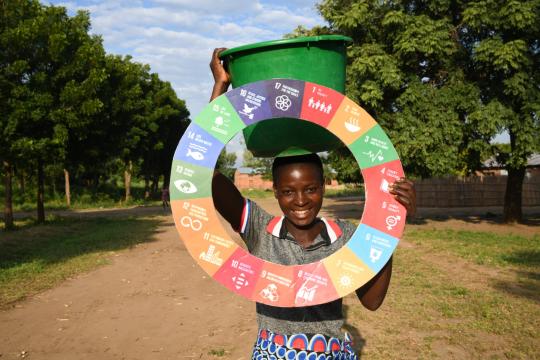
Photo : UNDP Malawi
This support will help achieve zero emissions and climate-resilient pathways through clean energy access and sustainable land use actions.