

Photo: UNDP Bolivia
Bolivia is at a defining crossroads in its energy transition. For years, the country’s electricity system has relied predominantly on thermal power plants that burn natural gas, a resource that has sustained both energy supply and public revenues. Today, a decline in domestic gas resources is exposing structural vulnerabilities in the country’s energy system, increasing pressure on public finances and raising critical questions about long-term energy security.
These challenges are particularly evident in the transport sector. Bolivia remains highly dependent on imported fossil fuels, especially diesel and gasoline, to sustain mobility, logistics and food production. As foreign exchange constraints intensify, securing these imports has become increasingly difficult, placing stress on the balance of payments and underscoring the risks of continued dependence on fossil fuels.
Against this backdrop, accelerating the energy transition is no longer only a climate objective; it is an economic and strategic necessity.
In 2025, with support from UNDP’s Climate Promise under the Pledge to Impact Programme, Bolivia developed an energy sector roadmap as part of recent efforts to implement its Nationally Determined Contribution (NDC). Developed through a comprehensive and participatory process, the roadmap provides a clear and actionable pathway to diversify the energy mix, reduce structural vulnerabilities, strengthen energy security and mobilize public and private investment.
Prepared in close coordination with the Ministry of Hydrocarbons and Energy, the Plurinational Authority of Mother Earth, and the Vice Ministry of Energy Planning and Development, the roadmap helps align Bolivia’s NDC climate commitments with national development strategies and sectoral priorities, ensuring coherence between climate ambition, energy planning and economic objectives. Furthermore, through the development of subnational energy balances, the roadmap reveals regional asymmetries in energy supply and demand that can support evidence-based decision-making at departmental and municipal levels and link national climate targets with local development priorities.
Importantly, as a new government took office in November 2025, this timely guidance will be essential to defining the country’s future energy policy. Here are five recommendations that the roadmap puts forward for building a sustainable energy future for Bolivia:
1. Deploy sustainable energy as a driver of development
Bolivia’s energy transition is about doing two things at once: cutting greenhouse gas emissions while ensuring reliable and affordable energy for people and productive sectors across the country. The roadmap brings these objectives together in a clear long-term vision for 2035 with more precise NDC targets for the energy sector.
At its core, the roadmap prioritizes universal access to electricity and a decisive shift toward sustainable energy, with renewables expected to represent more than 75 percent of the energy mix. It also promotes more flexible and decentralized energy solutions, particularly hybrid and distributed systems in isolated areas, helping reduce territorial gaps and strengthen resilience.
At the same time, the roadmap looks to emerging technologies to further propel the transition. Electric mobility, modern public lighting, energy storage and green hydrogen are identified as key enablers of a cleaner, more secure and more competitive energy system.
Together, these priorities position clean energy not only as a climate solution, but as a catalyst for inclusive development, productivity and territorial integration.
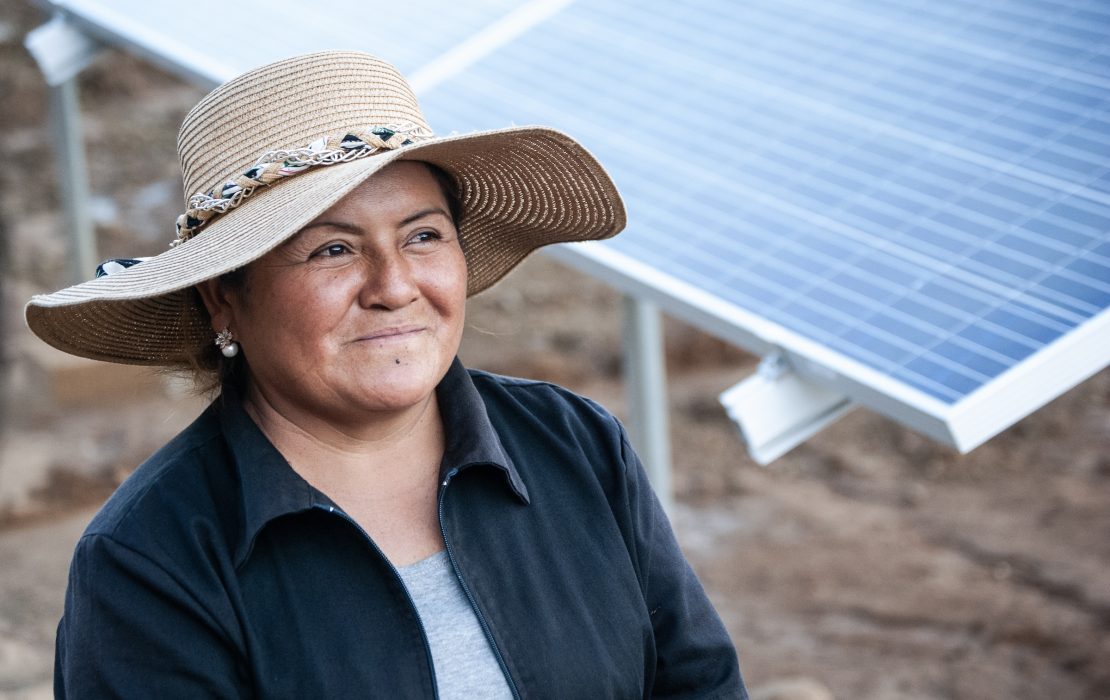
Bolivia’s energy transition is about doing two things at once: cutting greenhouse gas emissions while ensuring reliable and affordable energy for people and productive sectors across the country. Photo: UNDP Bolivia
2. Pursue regulatory reform to unlock investment
Bolivia’s current regulatory framework has constrained the development of new energy investments. Despite the country’s vast renewable energy potential, private capital has remained limited due to rigid regulations, complex administrative procedures and the lack of green financial incentives and stable power purchase agreements (PPAs).
To address these barriers, the roadmap recommends a set of reforms aimed at creating an enabling environment for investment. These include strengthening the legal framework for public–private partnerships, introducing long-term PPAs to provide certainty, modernizing regulations to incorporate energy service companies (ESCOs), and deploying climate-aligned financial and fiscal incentives such as green bonds, concessional loans and risk guarantees.
At the subnational level, the energy balance analysis highlights the importance of tailoring regulatory and financial instruments to territorial conditions. This would help enable decentralized renewable generation, energy efficiency services and scalable local energy solutions.
3. Reform fossil fuel subsidies for a fairer energy market
Bolivia’s long-standing diesel subsidy has distorted market signals and placed significant pressure on public finances. In line with the roadmap’s recommendations, the government recently ended more than two decades of subsidized fuel pricing, moving toward market-based prices for gasoline and diesel.
While subsidy reform helps level the playing field for renewable energy and strengthens energy security, it also requires careful design and complementary social protection measures to mitigate impacts on vulnerable populations. Here, the subnational energy balances play a critical role by providing evidence on territorial impacts – particularly in transport, agriculture and electricity generation in isolated systems – supporting a more targeted and socially sensitive reform strategy.
4. Mobilize finance to turn ambition into tangible results
The roadmap includes a robust resource mobilization strategy that identifies national and international financing opportunities including public–private partnerships, climate bonds, blended finance instruments and access to global funds such as the Green Climate Fund and the Adaptation Fund.
Building on this, the roadmap proposes a structured financing approach based on four complementary pillars: mobilizing climate finance and financial innovation, strengthening institutional and technical capacities, modernizing the regulatory and policy framework, and promoting strategic energy transition projects.
It also outlines an innovative financial architecture that includes complementary financing vehicles such as a private investment fund for energy efficiency and sustainable electrification, a public fund for strategic transition infrastructure, and an incentive fund for renewable energy and electric mobility. Supported by blended finance, guarantees, concessional resources and results-based financing, these mechanisms aim to crowd in private capital and scale up bankable projects with tangible development impacts.
5. Place energy security at the core of the energy transition
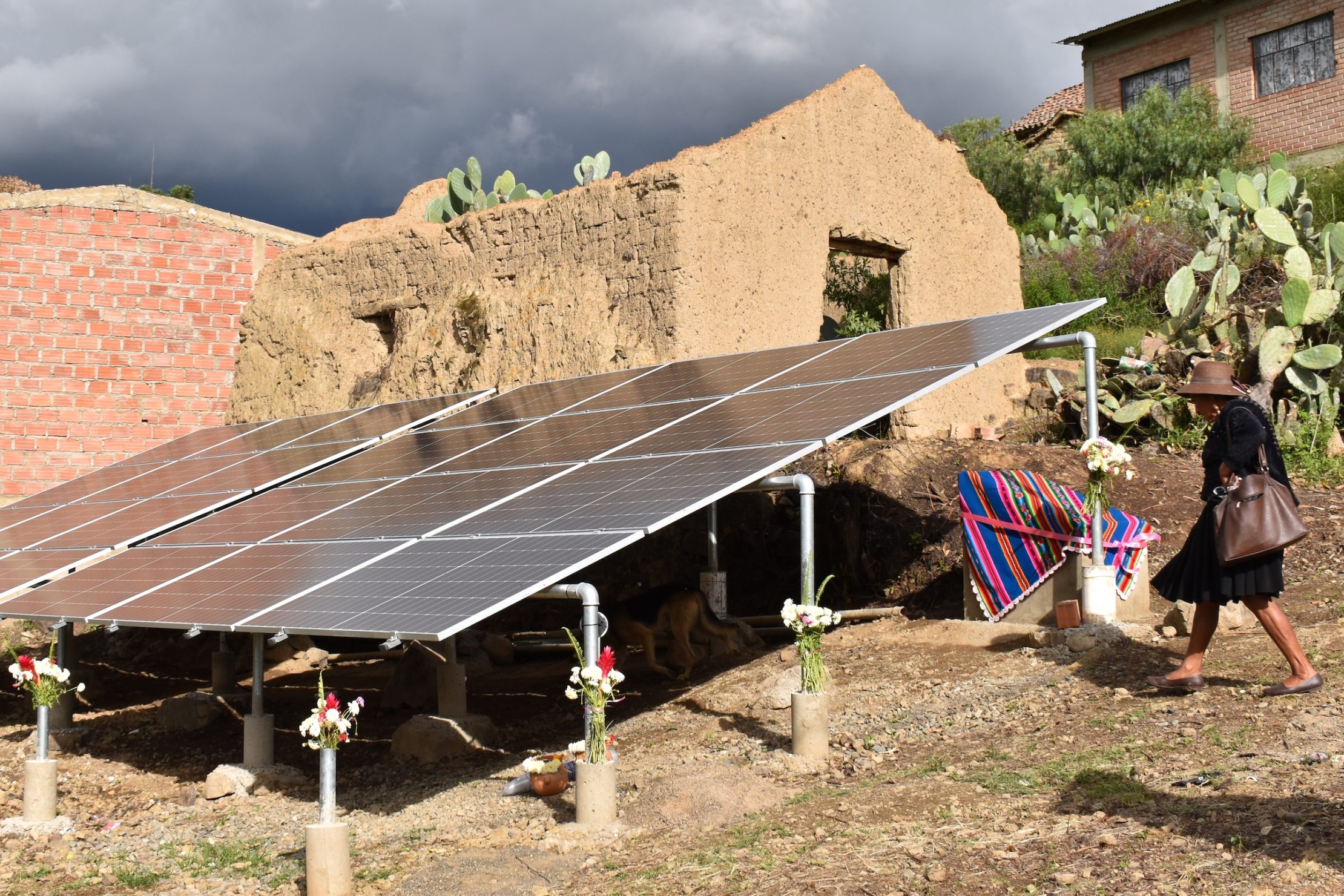
Strengthening energy security is at the heart of Bolivia’s energy transition. By diversifying its energy mix and expanding renewable generation, the country can reduce dependence on fossil fuels, improve reliability, enhance resilience at the territorial level and expand access in rural and isolated areas.
The subnational energy balances directly support this objective by identifying vulnerabilities in energy supply and informing strategies to reduce import dependence and leverage locally available renewable resources. Managed effectively, the transition can also open opportunities for job creation, technological innovation and social inclusion, while positioning Bolivia as a strategic regional actor, particularly given its potential for lithium and green hydrogen production.
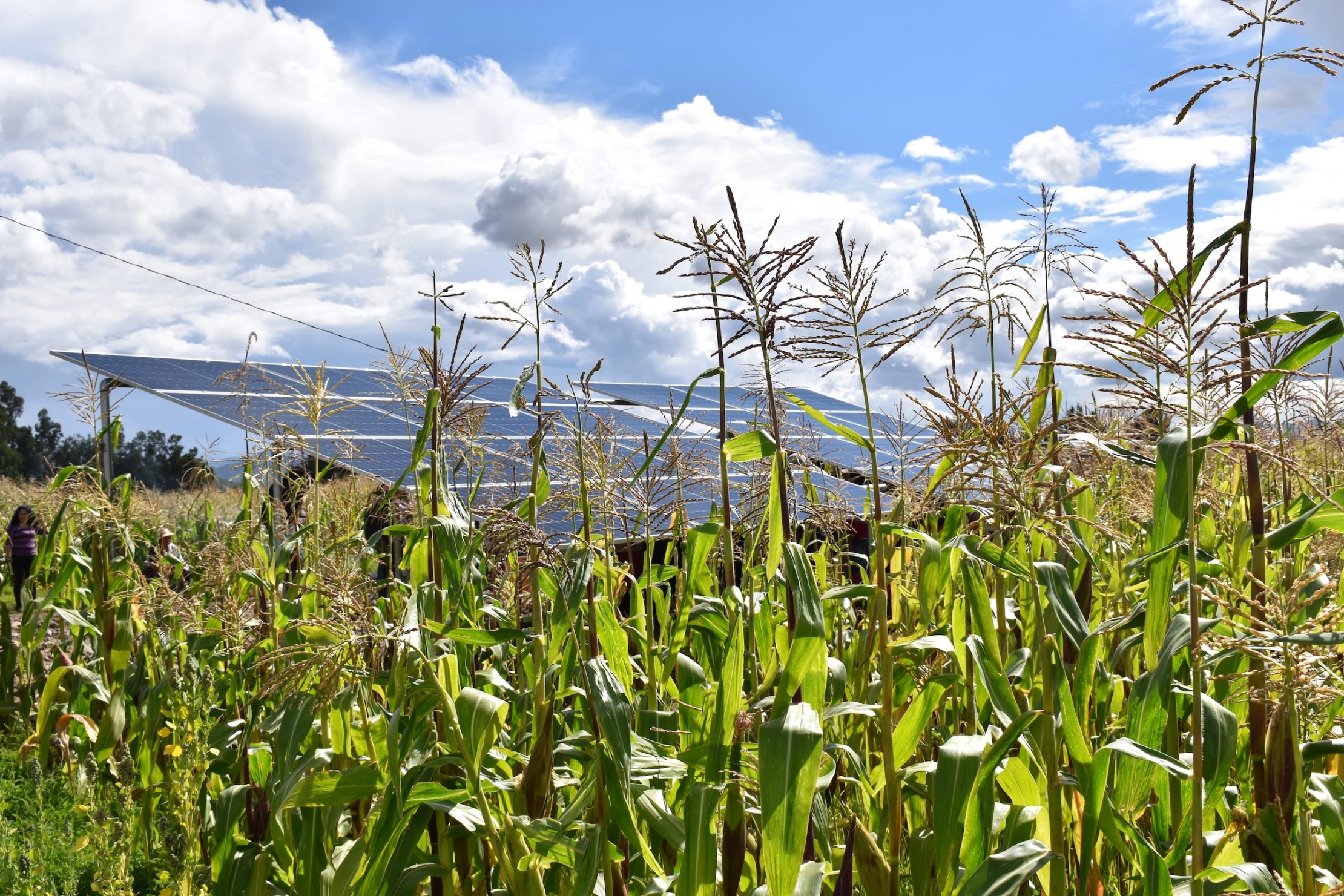
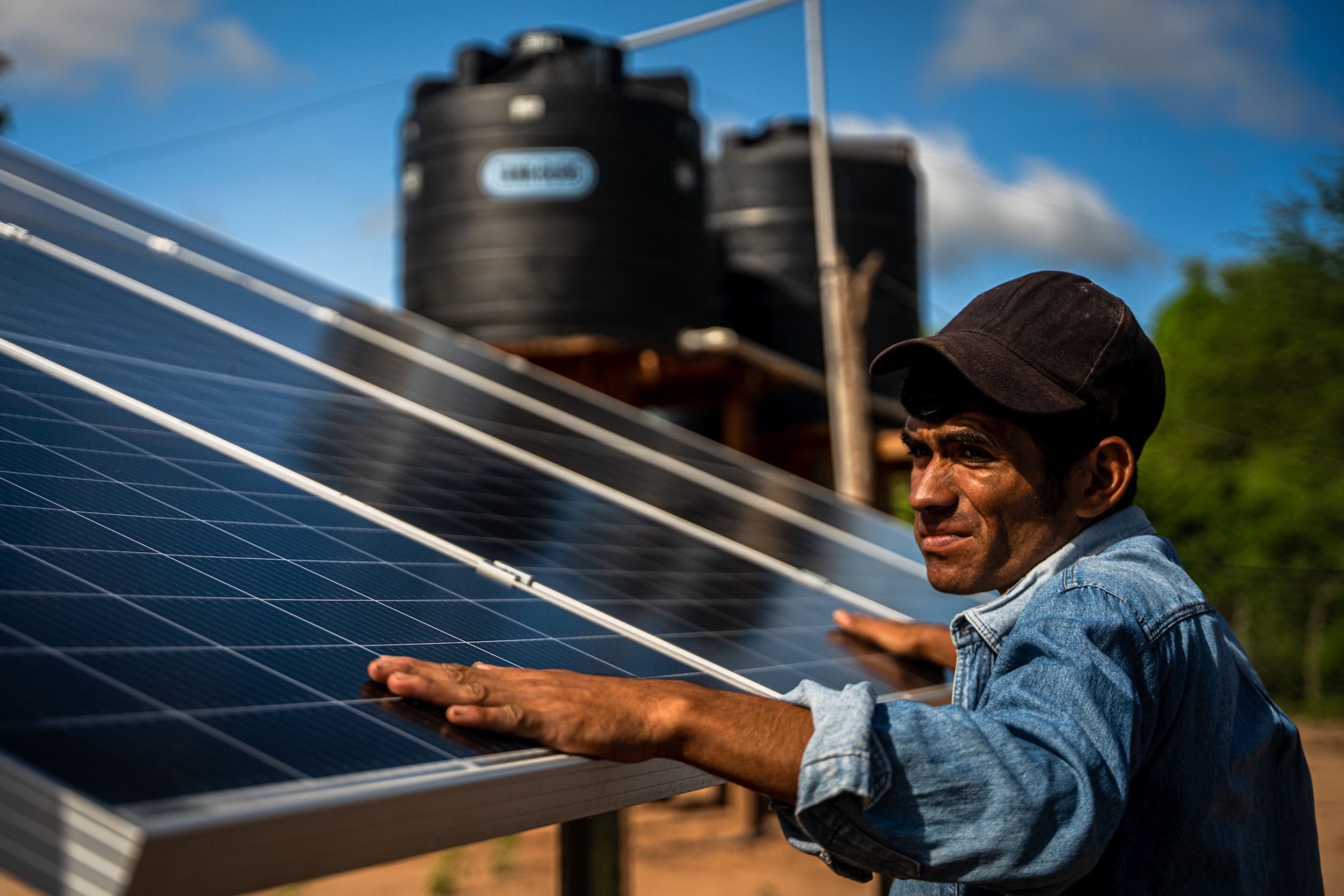
By diversifying its energy mix and expanding renewable generation, Bolivia can reduce dependence on fossil fuels. Photo: Carlos Arce Moreira / UNDP Bolivia
Through regulatory reforms, responsible subsidy management and the mobilization of green finance, Bolivia has a unique opportunity to transform its energy sector, deliver on its climate commitments and strengthen its energy security. To ensure implementation and accountability, the roadmap includes a monitoring framework to track progress over time.
By showing the tangible investments and results on the ground, Bolivia can ultimately position itself as an attractive destination for sustainable and climate-aligned investment and turn its clear, evidence-based and consensus-driven vision of a sustainable energy future into reality.
*
Delivered in collaboration with a wide variety of partners, Pledge to Impact has supported over 120 countries to enhance and implement Nationally Determined Contributions (NDCs) under the Paris Agreement. Pledge to Impact is generously supported by the governments of Germany, Japan, United Kingdom, Sweden, Belgium, Spain, Iceland, the Netherlands, Portugal and other UNDP core contributors. This programme underpins UNDP’s contribution to the NDC Partnership.