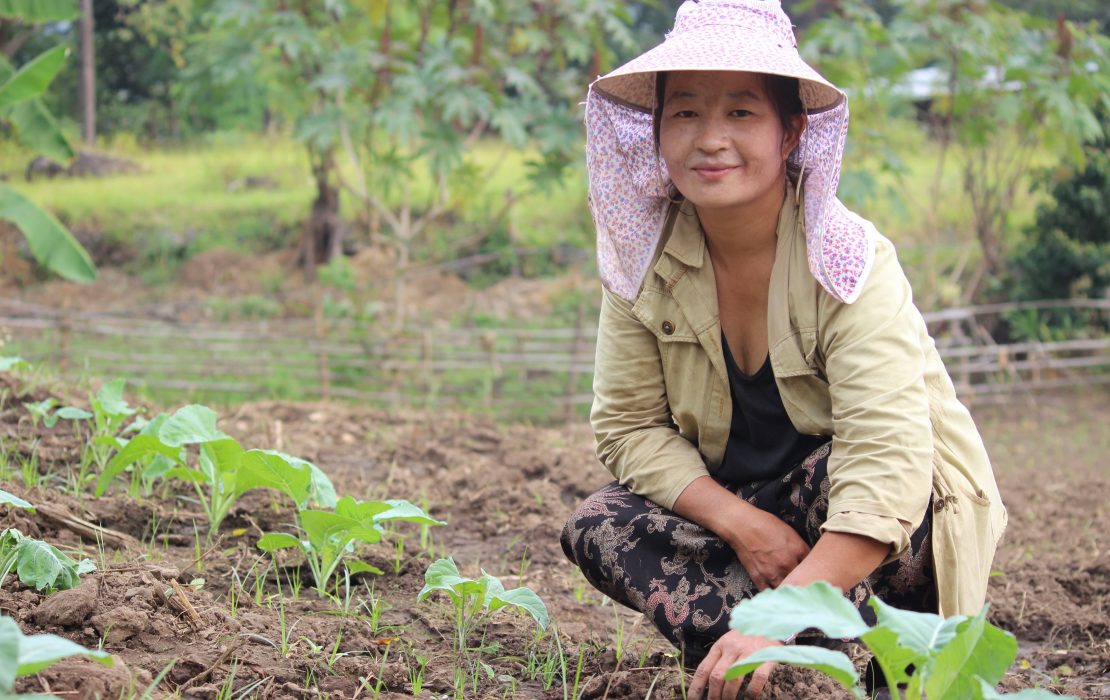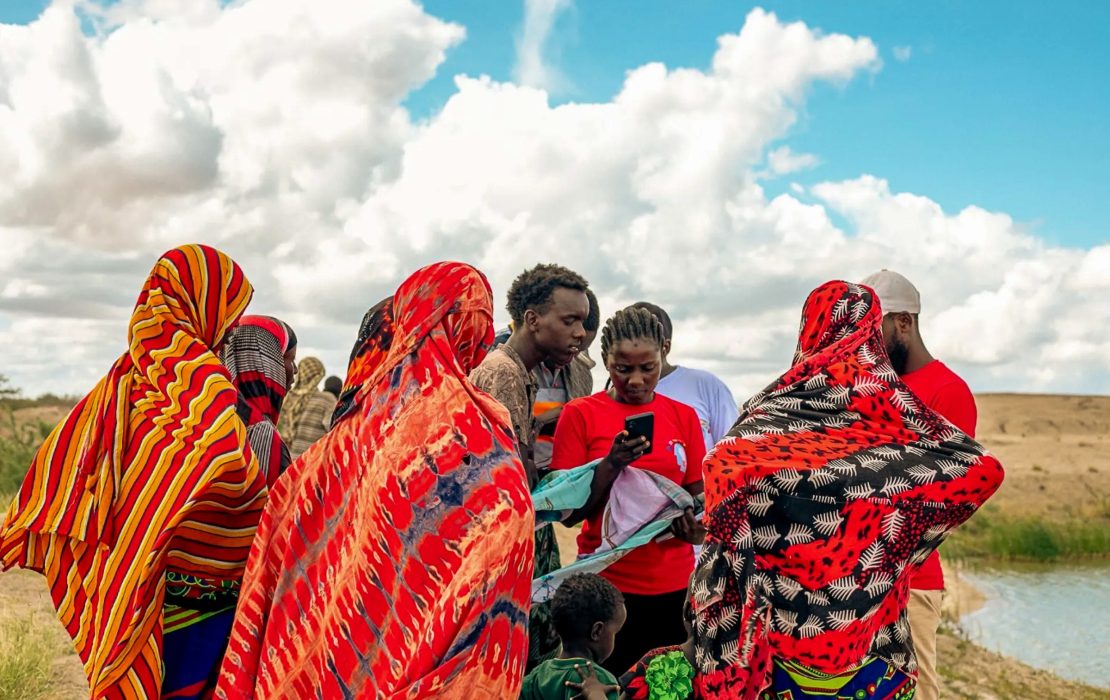
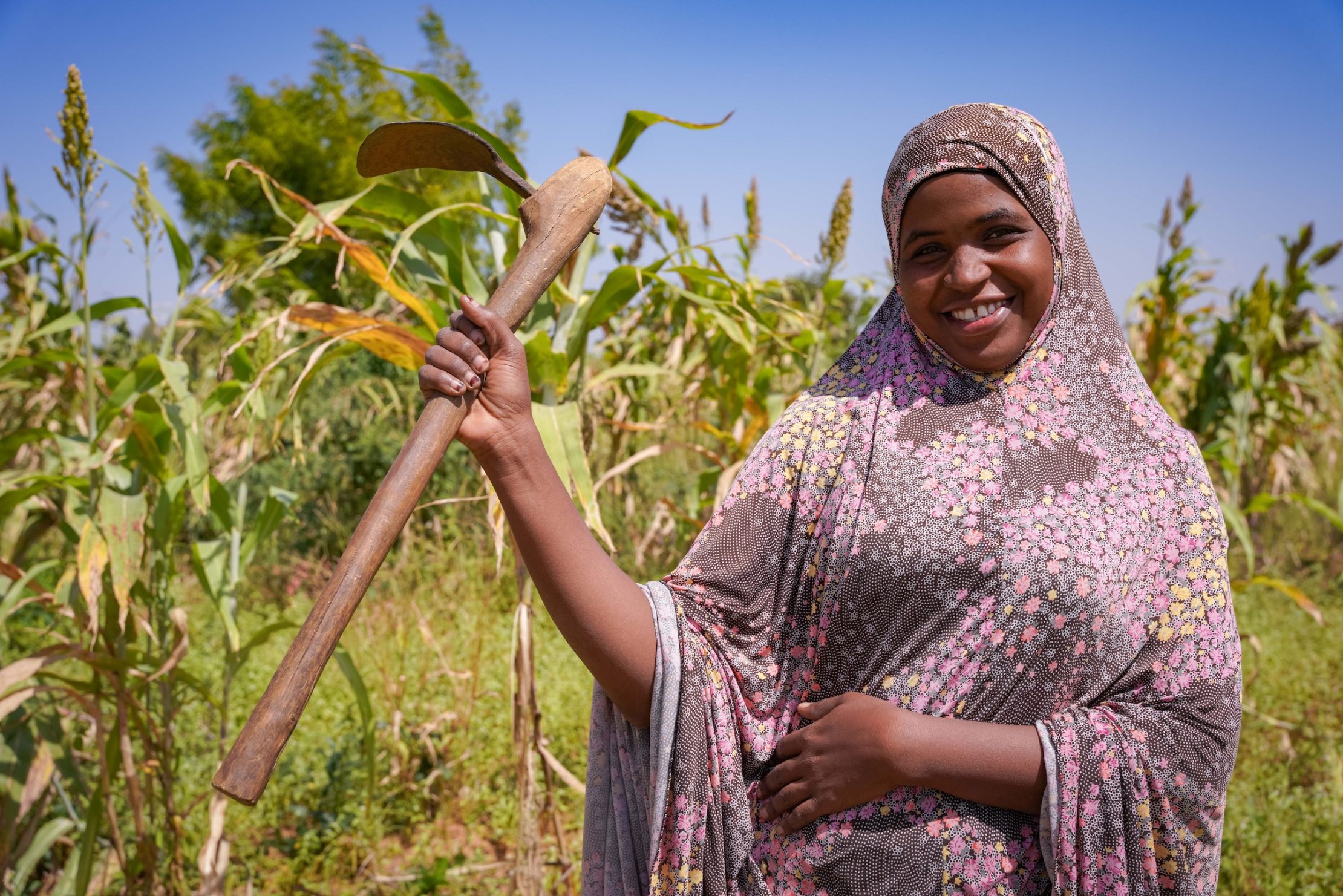
Photo: UNDP Nigeria

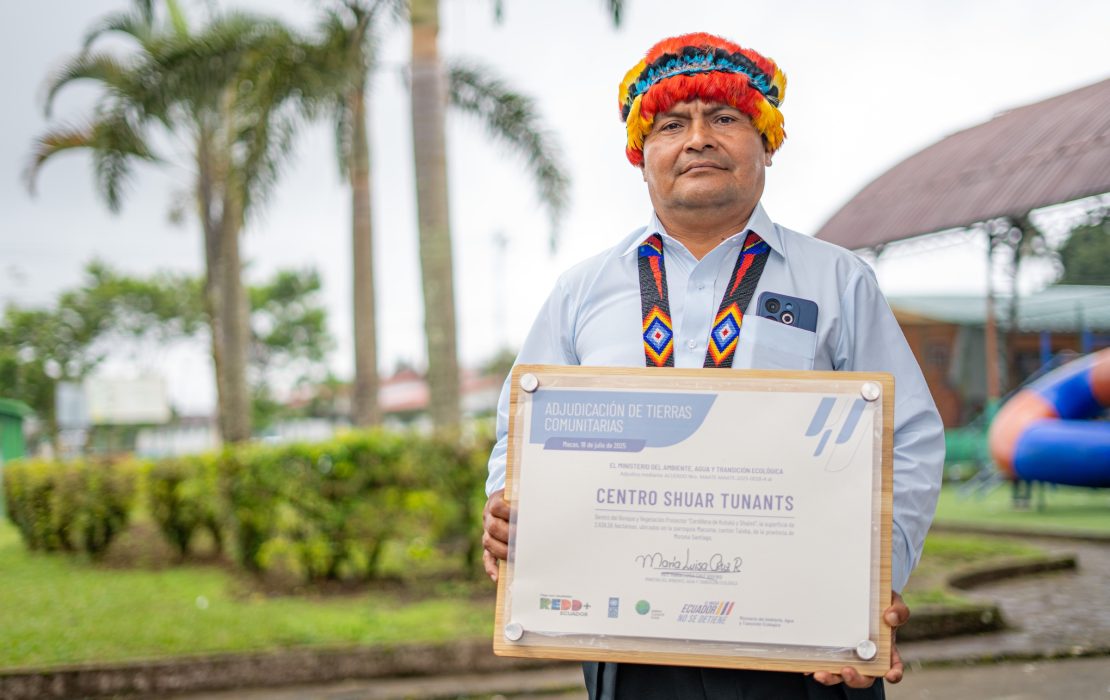
Photo: UNDP Ecuador
In 2025, UNDP supported several countries to make significant breakthroughs on Indigenous Peoples’ land rights. In Ecuador, UNDP facilitated the institutional framework for Indigenous Shuar communities to gain formal legal rights to their ancestral land in the Kutukú-Shaimi Protected Forest, one of the largest and most important conservation areas in the Ecuadorian Amazon. At the same time, UNDP supported Indonesia to strengthen both the enabling framework and provincial-level operations for the implementation of a new policy on customary forest rights that aims to cover 1.4 million hectares by 2029. This work is paving the way for the long-sought formal legal recognition of tenure rights for communities like Kasepuhan Cibedug. Furthermore, in Costa Rica, UNDP supported the government with the development of territorial environmental and forestry plans that enable Indigenous communities to receive direct payments for the environmental services from their territories.
All these achievements were facilitated by UNDP's policy guidance, technical assistance and funding supported by the Green Climate Fund (GCF), the Global Environmental Facility (GEF), UN-REDD and Climate Promise.
Sustainable energy that advances energy access and decarbonization
In the first half of 2025, for the first time ever, renewable energy supplied more electricity than coal worldwide. This historic shift is a crucial moment in global efforts to mitigate climate change, but the world is still not on track to triple renewable energy capacity and double energy efficiency by 2030. UNDP has an active portfolio supported by climate finance resources covering 61 countries to reduce their emissions and build sustainable and resilient energy systems.
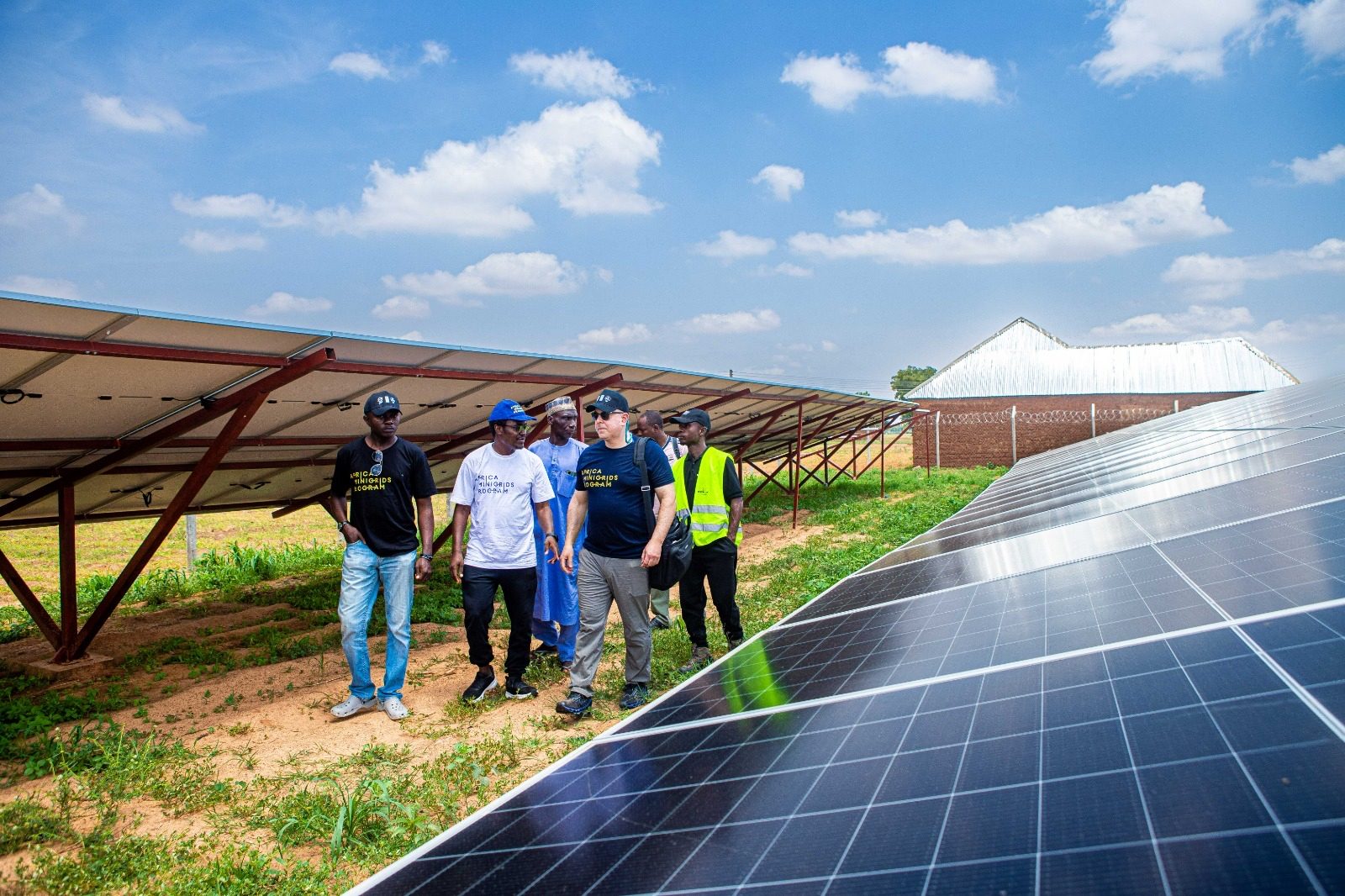
Photo: Africa Minigrids Program
In Nigeria, solar minigrids and solar home systems are helping expand energy access in underserved communities and contribute to the national goal of securing a 30 percent share of renewables in the national electricity mix by 2030. The Agabija community in Nasarawa State was once entirely without electricity. Today, 100 solar home systems have been installed in the community, enhancing daily life and productivity. Students can now study at night, farmers can cool off with electric fans after long hours of field work, and residents can charge their phones at home instead of at local business centres. Meanwhile, a four-hour drive away, the Hawan Mai Mashi community in Kaduna State is now powered by a solar minigrid. Equipped with battery storage, the minigrid supplies electricity to 87 households in the community and meets the administrative and operational needs of a nearby farm that aggregates local commodities, replacing the use of diesel generators for productive uses such as milling, welding and cold storage.
These initiatives, along with 22 other pilot sites in similar communities across Nigeria, were funded by the GEF as part of the Africa Minigrids Program, and implemented by Nigeria’s Rural Electrification Agency, with UNDP’s support.
National climate plans that are more ambitious, investible and inclusive
In 2025, as the Paris Agreement marked its tenth anniversary, countries worked on revising their national climate plans, known as Nationally Determined Contributions (NDCs). UNDP led Climate Promise 2025, a UN system-wide effort with 30 other UN agencies to support 106 developing countries in preparing increasingly ambitious, investible and inclusive NDCs.
This third generation of NDCs show an increase in ambition and a leap forward in quality and are better aligned with national development priorities. They put forward enhanced mitigation targets, expand adaptation measures, and advance gender equality, social inclusion and just transition principles.
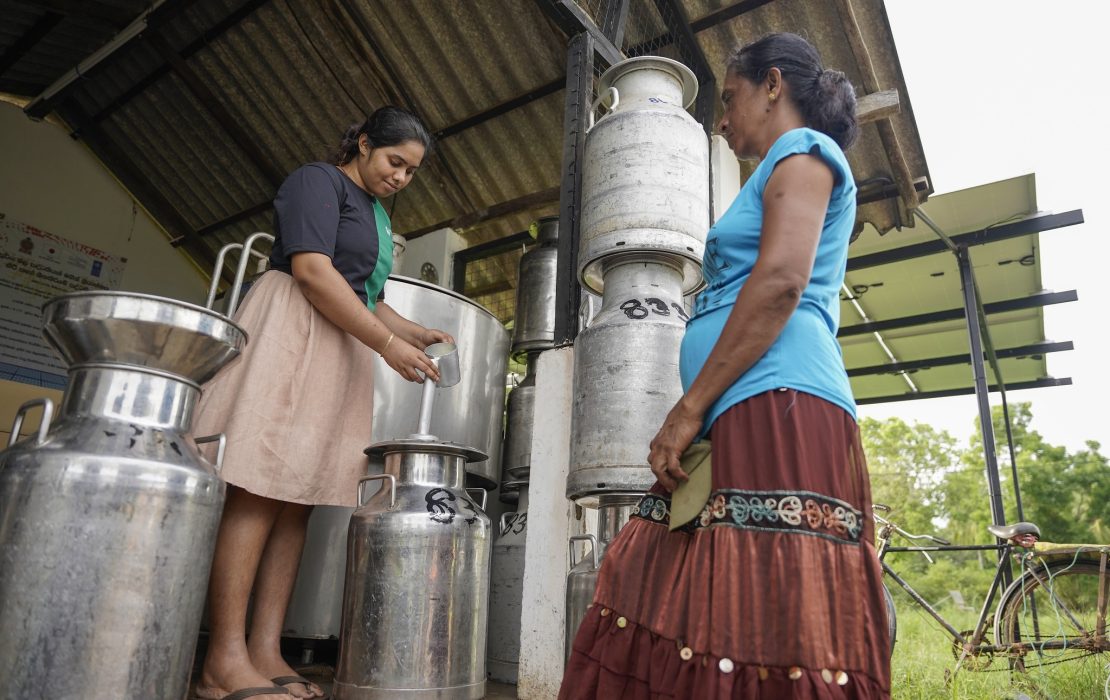
Photo: UNDP Sri Lanka
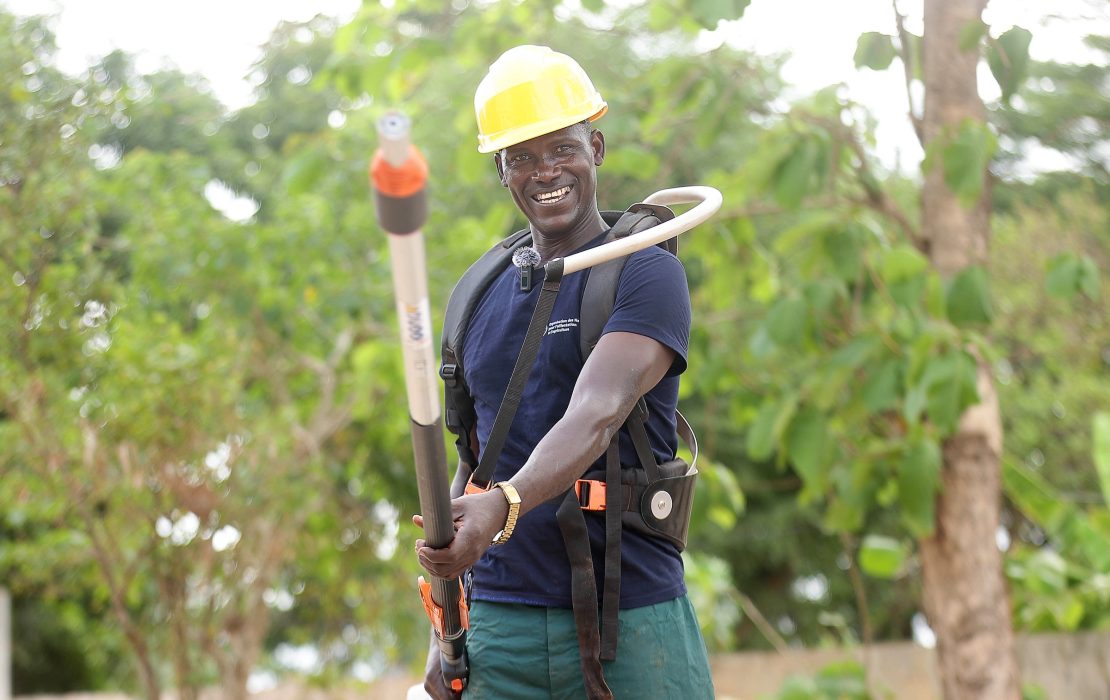
Photo: UNDP Côte d’Ivoire
For example, Côte d’Ivoire’s revised NDC envisions a transformation of production and consumption patterns towards green growth, sustainable jobs and economic resilience. The country plans to incorporate circular economy practices in 50 percent of its industrial facilities, enabling a 30 percent reduction in carbon dioxide emissions per tonne of goods produced. Furthermore, circular economy approaches will also help Côte d’Ivoire achieve a 25 percent reduction in emissions from the waste sector by 2035.
Meanwhile, Sri Lanka’s revised NDC recognizes that advancing gender equality and social inclusion is essential to achieving equitable and inclusive climate action at all levels. The country identified strategic entry points for gender-responsive and socially inclusive approaches and developed indicators and metrics to quantify and verify their effective integration across key sectors including agriculture, water management, health care, tourism, biodiversity and more.
Data-informed adaptation planning
As climate impacts become more frequent and severe, climate change adaptation continues to be essential for many communities around the world. As of November 2025, 68 countries have submitted National Adaptation Plans (NAPs) which outline how they will adapt to climate change. UNDP and the GCF have supported 43 of these countries to develop and implement their plans.

Photo: UNDP Viet Nam
One of them is Viet Nam, which submitted its NAP in September 2025. To support the implementation of the NAP, Viet Nam launched a digital portal which provides an online database for monitoring and evaluating adaptation measures in the country and connects ministries, provincial authorities and sector agencies under a standardized reporting framework. The NAP also introduced innovative, impact-based financial mechanisms, including blended finance and public-private partnerships, to unlock investment in priority sectors. By positioning the NAP as a platform for bankable adaptation projects, the country aims to attract more private capital and accelerate action.
Similarly, Montenegro submitted its NAP in June 2025. Through the NAP process, Montenegro aims to strengthen its institutional frameworks, expand the technical capacities of civil servants involved in climate change adaptation planning, improve the information needed for effective decision-making and mobilize additional resources. Given how climate change threatens human health, ecosystems and economic activity in the country, the preparation of the NAP drew on data from vulnerability assessments in four sectors that are key to Montenegro’s future sustainable development: agriculture, water management, tourism and health care.
Youth-led solutions that invest in the next generation
Children and young people – who make up almost half of the world’s population – will bear the brunt of climate impacts in the years and decades to come. As such, they are critical actors in the race to tackle the climate crisis. Throughout its work, UNDP prioritizes inclusive climate action, recognizing and advancing the rights of children and youth to be meaningfully involved in climate action.
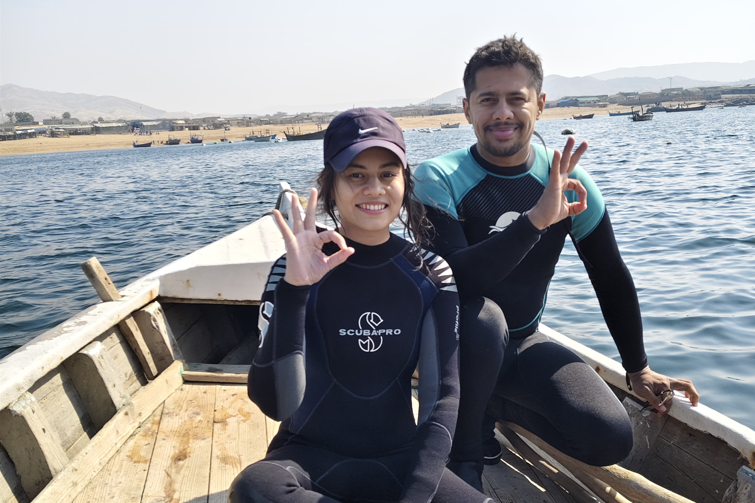
Photo: UNDP Rome Centre
In 2025, Youth4Climate, a partnership between UNDP and the Government of Italy, awarded US$4 million in seed funding to 150 youth-led solutions across 59 countries. These solutions help communities advance their climate change mitigation and adaptation goals, with young people at the forefront.
For example, in Tunisia, one youth-led initiative is transforming organic waste from hotels in coastal cities into compost for local small farmers. In doing that, the initiative is aiming to create a circular and sustainable system that reduces food waste, regenerates soil fertility and lowers costs for farmers. Meanwhile, in St. Lucia, another youth-led initiative is promoting regenerative agriculture, using vetiver grass, a powerful nature-based solution, to restore degraded land, prevent soil erosion and enhance water retention. By combining traditional knowledge with modern regenerative agriculture practices, this initiative is turning degraded land back into a source of food and income. Similarly, in Pakistan, a youth-led initiative is restoring coral reefs by combining Indigenous knowledge with modern tools. Bringing together local fishers, students and Indigenous groups, the initiative established 10 coral nurseries and used nature-based, low-cost propagation techniques to restore some of these vital ecosystems along Pakistan’s coast.
Climate action that strengthens peace and security
As levels of greenhouse gas emissions keep rising, the impacts of climate change keep increasing in frequency and severity. In fragile and conflict-affected contexts, these impacts can contribute to growing instability, collapsing livelihoods and inducing displacement. UNDP is working in 46 fragile and conflict-affected countries and regions to provide integrated solutions that address climate, peace and security challenges.
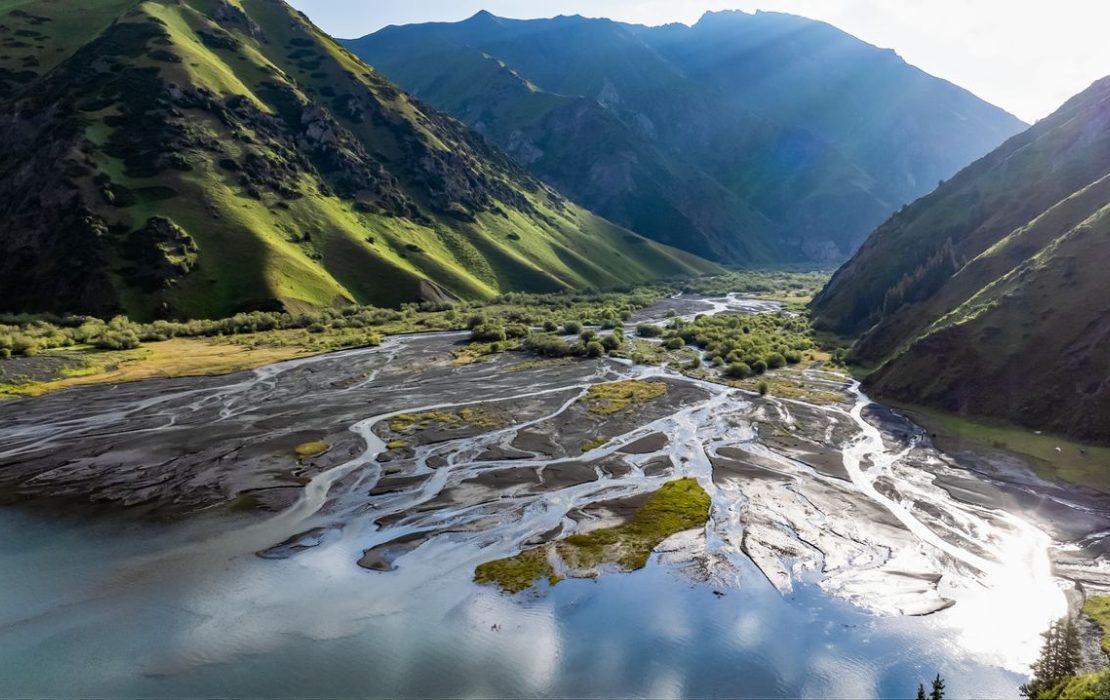
Photos: UNDP in the Kyrgyz Republic
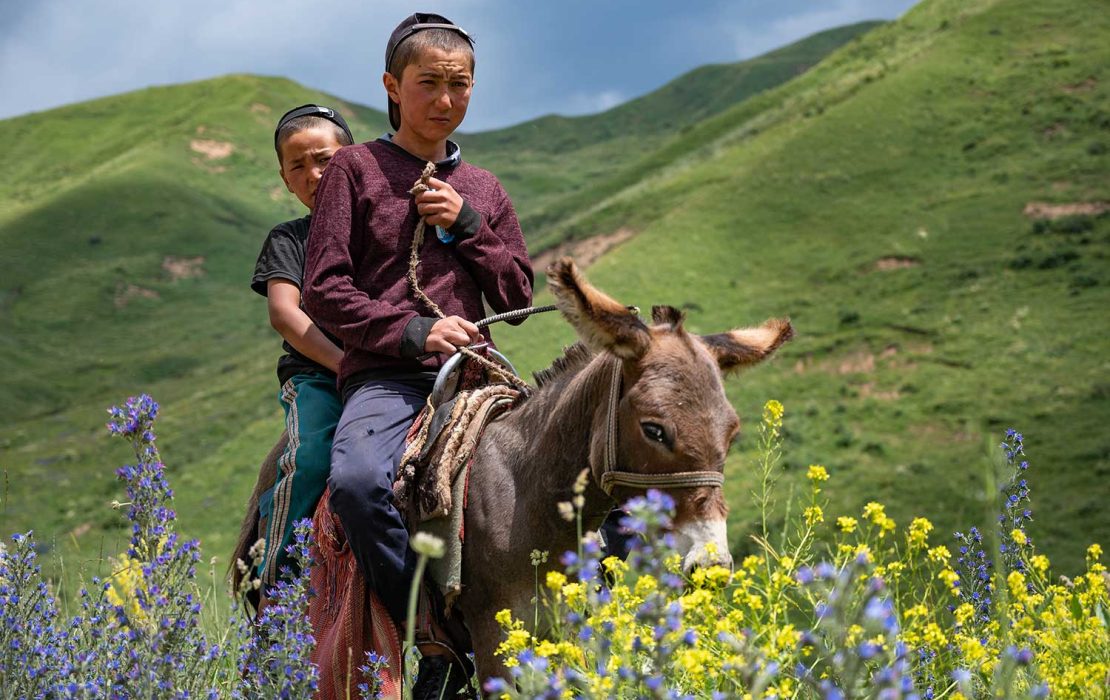
In northwest Nigeria, a semi-arid region where agriculture is rain-fed, the impacts of climate change are affecting planting and harvesting cycles and crop growth, leading to lower yields and rising food insecurity. This, in turn, can intensify tensions between different social groups. To help address this challenge, UNDP has helped install automated weather stations in vulnerable communities in Sokoto and Katsina, with funding from the Government of Norway. These stations provide real-time forecast data to farmers and herders, allowing them to better plan their activities. By raising access to climate information, crop yields increased by 10 percent, agricultural loses were reduced by 38 percent and conflicts over water and land use were avoided.
Central Asia is another region grappling with increasing climate vulnerabilities that exacerbate socio-economic fragilities and pose risks to social cohesion and security. UNDP has been working with the United Nations Convention to Combat Desertification (UNCCD) to lay the groundwork for transboundary cooperation for ecosystem restoration in the region. From the Ferghana Valley that crosses Uzbekistan, the Kyrgyz Republic and Tajikistan to high-altitude mountain areas and watersheds, this work is helping countries work together on land restoration, reforestation and biodiversity conservation. In turn, this can help reduce resource pressures, build trust and contribute to long-term stability.
High-integrity carbon markets that attract private investments
To close the existing gap in climate finance, many developing countries are assessing how to strategically engage in carbon markets to fund the implementation of their national climate pledges.
When built on transparency, accountability, and respect for rights, people and nature, carbon markets can attract large-scale private investments to accelerate climate action. This is why UNDP is helping countries and partners around the world to design, implement and scale up activities that produce high-integrity carbon credits and unlock substantive finance for low-carbon development.

Photo: UN-REDD Programme
As a result of this work, in 2025, UNDP was selected by the Government of Ghana and the State of Pará in Brazil to act as the financial intermediary for payments from the sale of jurisdictional carbon credits to the LEAF Coalition, a unique public-private partnership focused on halting tropical deforestation by 2030, with US$1.5 billion available to buy high-integrity forest credits.
These landmark agreements represent a breakthrough in operationalizing REDD+ jurisdictional carbon markets and show how UNDP can help connect global demand for verified emission reductions with equitable, country-led implementation. They also underscore the growing confidence in UNDP’s capacity to ensure transparency, environmental integrity and social safeguards in the implementation of large-scale finance initiatives that enable additional mitigation results.
Digital solutions for environmental sustainability
Digital technology and solutions can help countries reduce greenhouse gas emissions and improve climate resilience. UNDP supports over 40 countries to improve their digital readiness and develop their digital public infrastructure, while advocating for environmental sustainability standards for artificial intelligence (AI).

Photo: UNDP Ecuador
In Colombia, Costa Rica and Ecuador, UNDP piloted the use of geospatial AI to strengthen traceability for deforestation-free commodities, such as coffee and cocoa, and support local cooperatives to enter global supply chains. This work was funded by the Republic of Korea, building on long-standing engagement through the GCF and UN-REDD.
Meanwhile, Somalia and Ethiopia completed digital readiness assessments for the solar minigrids sector, under the Africa Minigrids Program, funded by the GEF. The assessments helped identify key gaps in leveraging digitalization to unlock energy access and made recommendations on how to address these gaps.
Development with a lower carbon footprint
As the climate crisis requires urgent action, UNDP is leading by example, aiming to reduce its corporate carbon footprint by 50 percent by 2030. Through the Greening Moonshot initiative, UNDP has implemented 194 projects in its country offices that combine solar power, energy-efficient systems and electric mobility, making our operations cleaner, resource-efficient and more reliable.
In Yemen, the country’s largest solar system of its kind now powers the UNDP country office entirely, avoiding the use of 61,000 gallons of diesel annually and freeing up significant resources for other programming. Similarly, in India, rooftop solar power and efficient cooling systems have nearly halved energy use, with solar-powered electric vehicles, rainwater harvesting and sustainable travel policies making the office a regional leader. And in Tanzania, solar-powered electric vehicles and a shift to rail travel are reducing emissions while improving efficiency across UNDP operations.
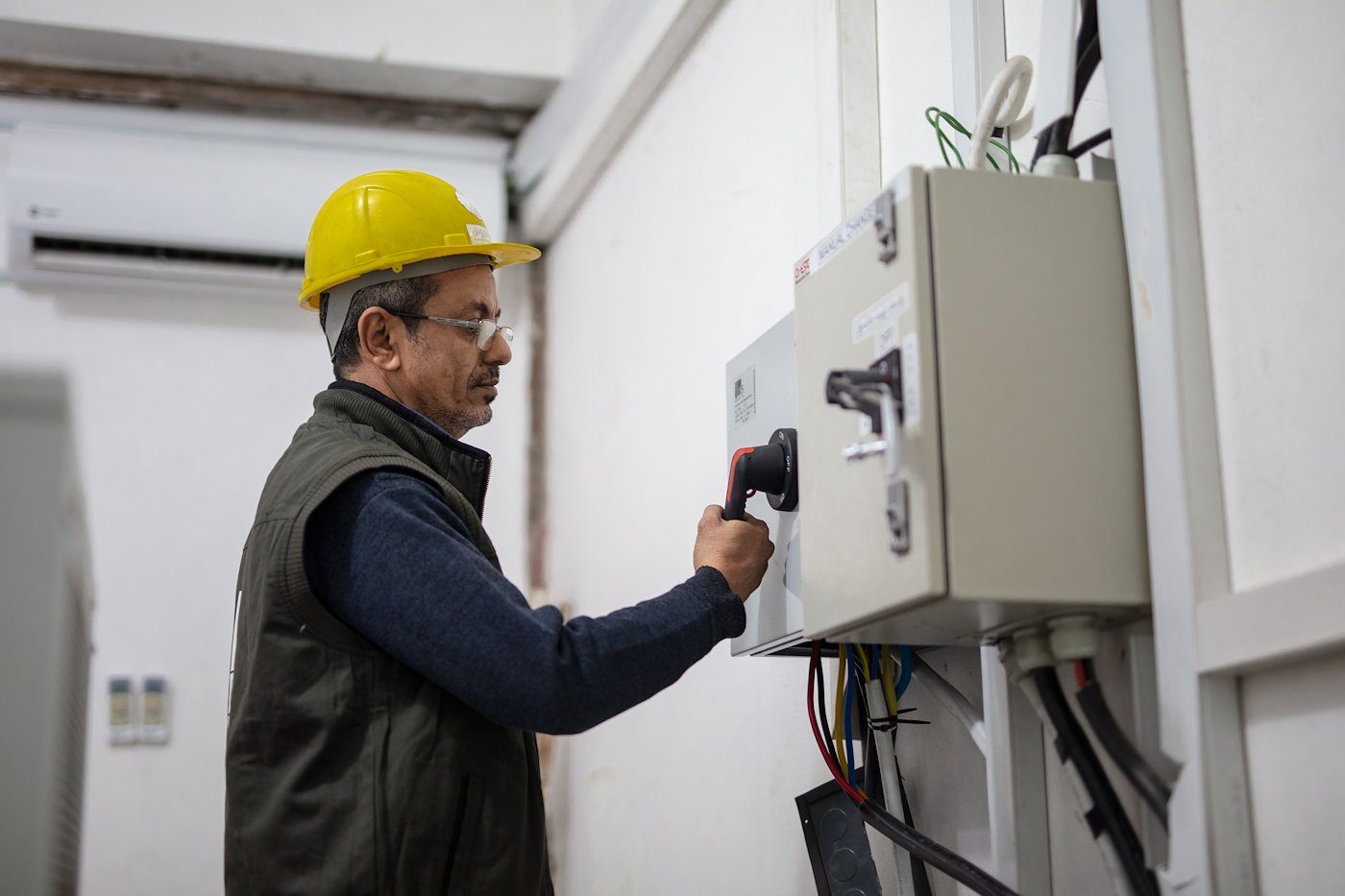
Photo: UNDP Yemen
These examples prove that, despite limited resources and other challenges, developing countries continue to show leadership in addressing climate change and adapting to its impacts. As the UN Secretary-General has stated, to keep global average temperature rise below the 1.5°C limit set in the Paris Agreement by the end of the century, all countries, especially big emitters, must do more. Developing countries are speaking up through their actions – and we must listen. Our collective future depends on it.
*
With the largest climate action portfolio in the UN System, UNDP supports countries to carve their own pathways to low-carbon, climate-resilient, inclusive development. In 2026, at the request of the UN Secretary-General, UNDP will build on the success of Climate Promise with a new plan to help countries accelerate NDC implementation and take climate action forward.
Explore More Stories