
Summary:
- Nationally Determined Contributions (NDCs) are the primary instrument for increasing ambition on climate action under the Paris Agreement.
- Third-generation NDCs mark a decisive shift in ambition and quality and have evolved to become strategic blueprints for sustainable development.
- Countries are taking concrete steps forward on climate change mitigation, while also prioritizing efforts to enhance adaptation and address loss and damage.
- Third-generation NDCs include enhanced climate action across key sectors, from energy, transport and health to water, agriculture and forests.
- Countries are also enhancing inclusivity and advancing just transition commitments, while emphasizing the importance of robust transparency mechanisms to boost credibility and market readiness for implementation.
What are third-generation Nationally Determined Contributions (NDCs)?
In 2015, countries made a breakthrough in climate negotiations and adopted the Paris Agreement. This historic, legally-binding international treaty became the foundation for climate action on a global scale, pushing countries to adopt climate change mitigation and adaptation goals.
The Paris Agreement works on a five-year cycle of increasingly ambitious climate action. The primary instruments for ratcheting up climate ambition are Nationally Determined Contributions (NDCs). These are national climate plans that detail how countries will reduce greenhouse gas emissions and adapt to climate change impacts. By revising NDCs every five years, countries can put their economies on a pathway towards net-zero emissions by 2050, a necessary outcome to limit the worst consequences of the climate crisis.
In 2025, countries submitted their third-generation NDCs, continuing to advance ambition on climate action and reinforcing their commitment to multilateralism and international cooperation. By the end of 2025, 128 Parties representing about 78 percent of global greenhouse gas emissions had submitted third-generation NDCs. These include submissions from 21 Small Islands Developing States (SIDS), 19 Least Developed Countries (LDCs) and 18 G20 members. Over 60 Parties are expected to communicate their revised NDCs in 2026.
Have third-generation NDCs improved the outlook of global climate action?
Third-generation NDCs are showing a decisive shift in ambition and quality, expanding the range of sectors covered, designing clearer implementation pathways and encouraging investment by demonstrating a higher level of credibility. According to an analysis carried out by UNDP, several key trends are emerging.
Countries are taking concrete steps forward on climate change mitigation, with 75 percent of NDCs putting forward economy-wide targets for emissions reductions by 2035. A growing proportion of countries have increased their unconditional targets, reflecting stronger domestic financial commitment to a low-carbon transition. However, there are still gaps in realizing mitigation ambition targets, particularly in the short- and medium-term steps needed to get there.
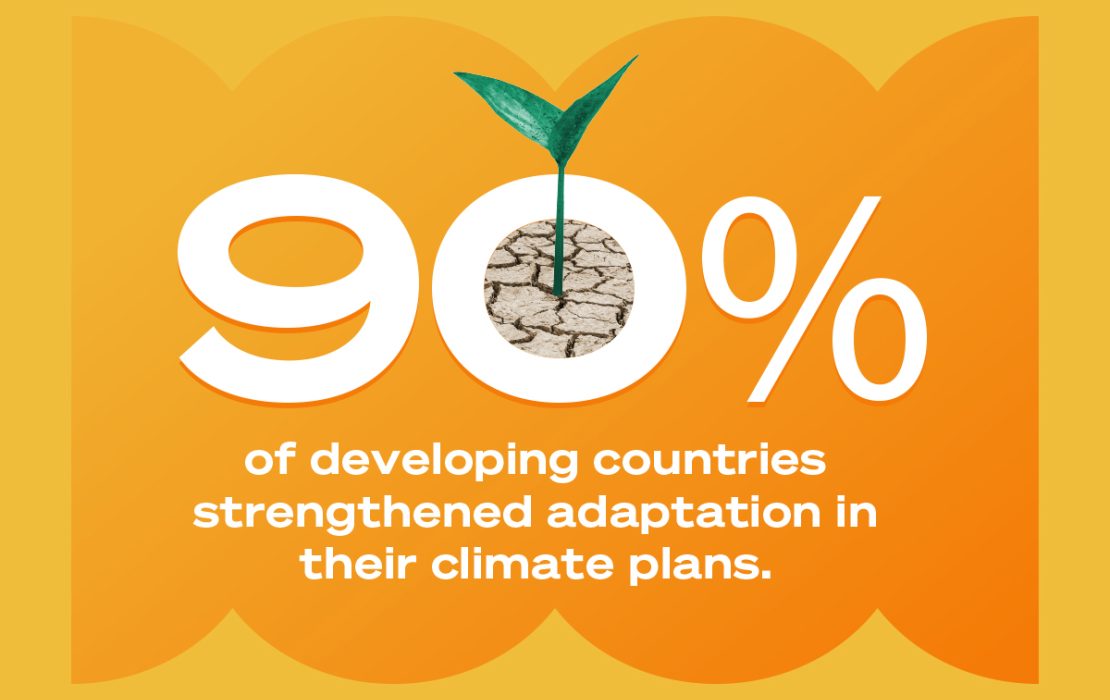
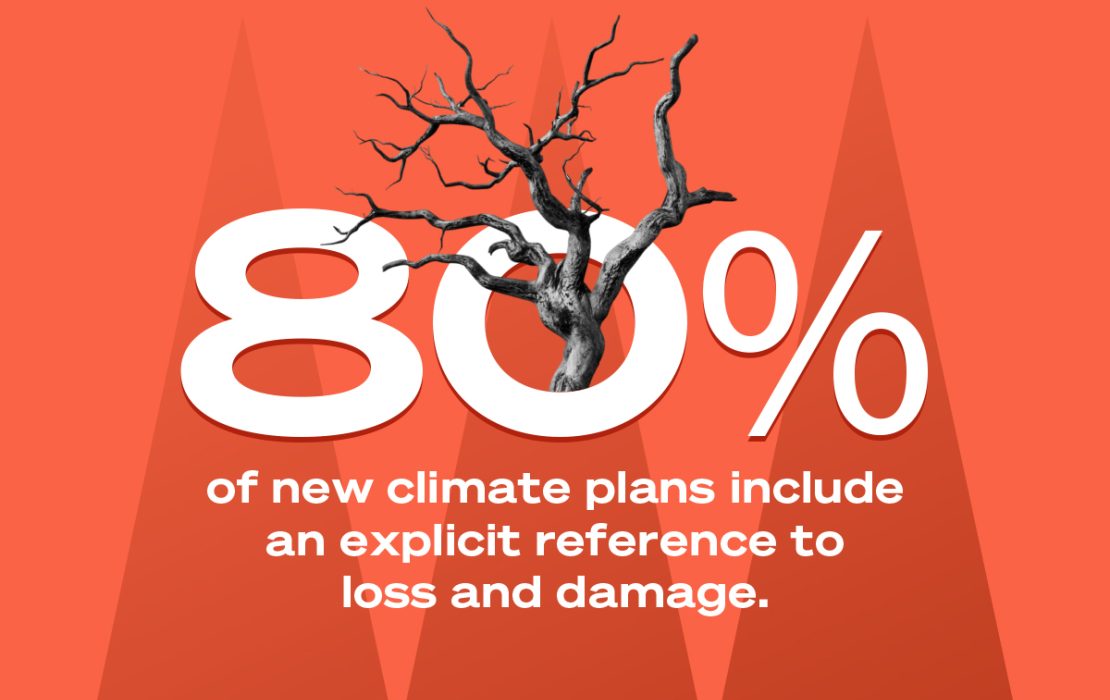
With recent scientific observations underscoring that an overshoot of the 1.5°C threshold in global average temperature rise is now inevitable, many countries have increasingly prioritized efforts to enhance climate change adaptation and address loss and damage. 90 percent of NDCs from developing countries include enhanced adaptation measures, which are becoming more specific, measurable and multi-sectoral. Furthermore, 80 percent make explicit reference to loss and damage, with SIDS and LDCs more likely to include detailed targets and measures.
At the same time, countries are leveraging climate action to drive sustainable development, highlighting comprehensive economic and social co-benefits in their new NDCs. Many third-generation NDCs include measures that address energy access, ecosystem protection, rural and urban development, job creation, innovation and developing strong institutions. LDCs and SIDS make the strongest link between climate action and sustainable development in their new plans, particularly prioritizing climate policies that protect gains in poverty eradication and the resilience of food and health systems.

By being increasingly embedded in national development priorities, third-generation NDCs are also deepening country ownership, while enhancing inclusivity and advancing just transition commitments. 96 percent of countries incorporate gender equality and social inclusion considerations in their NDCs, while more than 90 percent include just transition principles, recognizing the need for equitable pathways that protect workers, communities and vulnerable populations as countries are advancing efforts to decarbonize their economies.
In order to turn their ambition into action, countries are emphasizing the importance of robust transparency mechanisms that track how countries are meeting their climate targets, setting clearer signals for investment. This is a key priority for developing countries that are advancing efforts to strengthen transparency systems as cornerstones of trust, credibility, accountability and market readiness. 88 percent of developing countries are creating or strengthening permanent national transparency frameworks, while 80 percent are providing clearer signals to attract climate finance.
How are some of the key sectors for climate action represented in third-generation NDCs?
To achieve mitigation and adaptation goals, third-generation NDCs highlight measures in key sectors that can help move the needle on climate action.
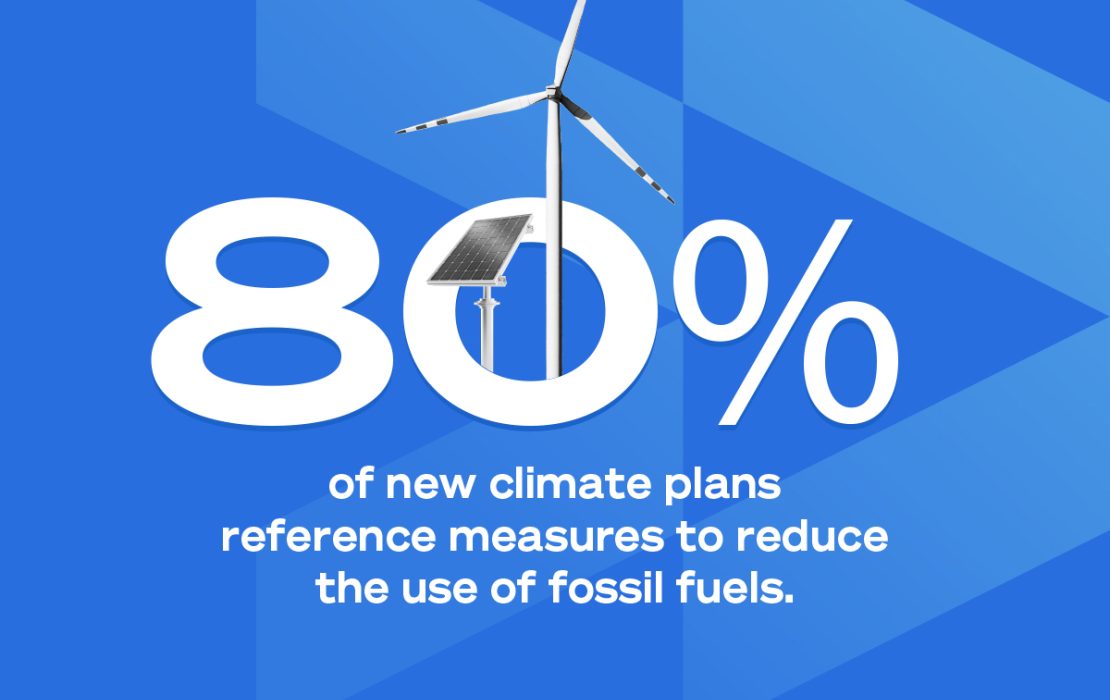
- Energy is a core sector for climate change mitigation. All countries included measures on the sustainable energy transition in their NDCs, laying out plans to increase the deployment of renewable energy and improve energy efficiency gains. Moreover, around 80 percent reference plans to reduce the share of fossil fuels in their energy mix, while 75 percent reference investments in solar energy and over 50 percent of those with coal in their electricity mix mention plans to phase down unabated coal power. For developing countries, energy access and clean cooking remain central concerns, with 85 percent and 67 percent of their NDCs, respectively, addressing these issues.
- Sustainable transport is a crucial sector where countries aim to achieve emissions reductions. 95 percent of NDCs refer to energy efficiency in transport and include references to the electrification of vehicles or shifting to low-carbon fuels. In addition, 70 percent of NDCs include references to urban planning that can facilitate the development and adoption of transit-orientated development.
- Industry is another priority sector for mitigation measures, with 92 percent of NDCs recognizing this. 34 percent of NDCs also specify actions for hard-to-abate sectors such as steel, cement and petrochemicals. Decarbonization actions in these sectors remains uneven, with some countries emphasizing economy-wide decarbonization measures such as carbon pricing, while others are pursuing energy efficiency measures or material improvements in production.
- Forests and land use are prominent in new NDCs as a critical sector for both mitigation and adaptation measures. 96 percent of NDCs include a reference to forests and land use, while 71 percent include a specific, quantified target related to the land use, land-use change and forestry. The leading role of Indigenous Peoples and local communities in forest conservation and restoration is well-recognized, with 72 percent of measures related to forests and land use involving them as key actors.
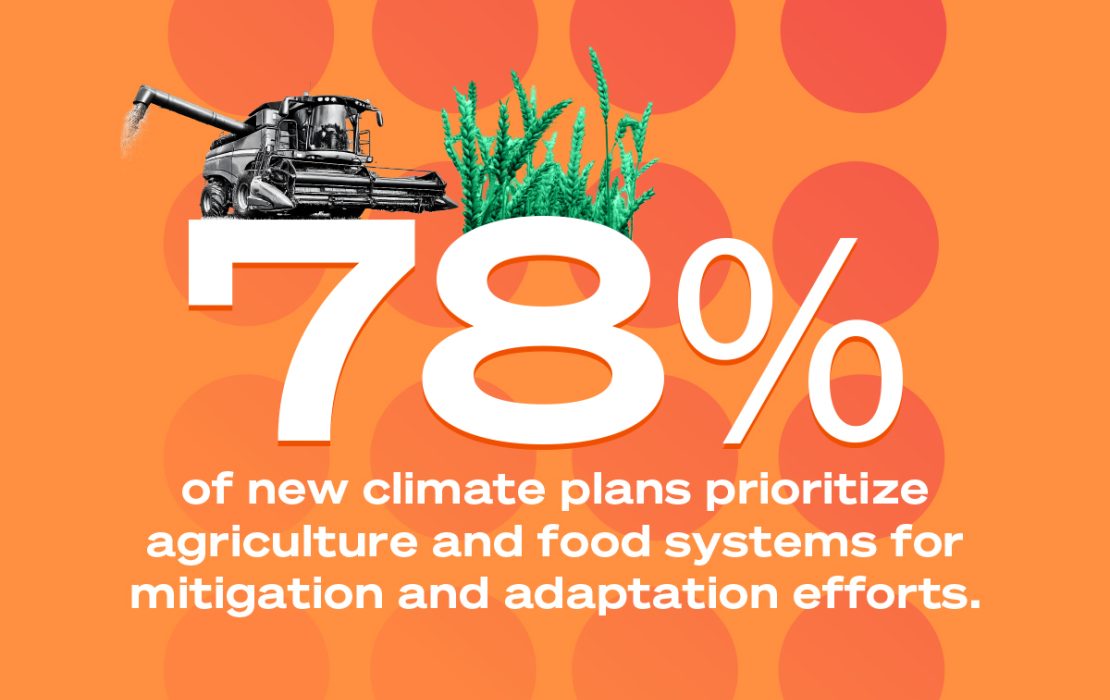
- Agriculture and food systems are pivotal for advancing both adaptation and mitigation goals, with 78 percent of NDCs prioritizing measures to reduce emissions and enhance resilience in these sectors. However, food loss and waste, which remains a significant challenge, only gets referenced in 22 percent of NDCs.
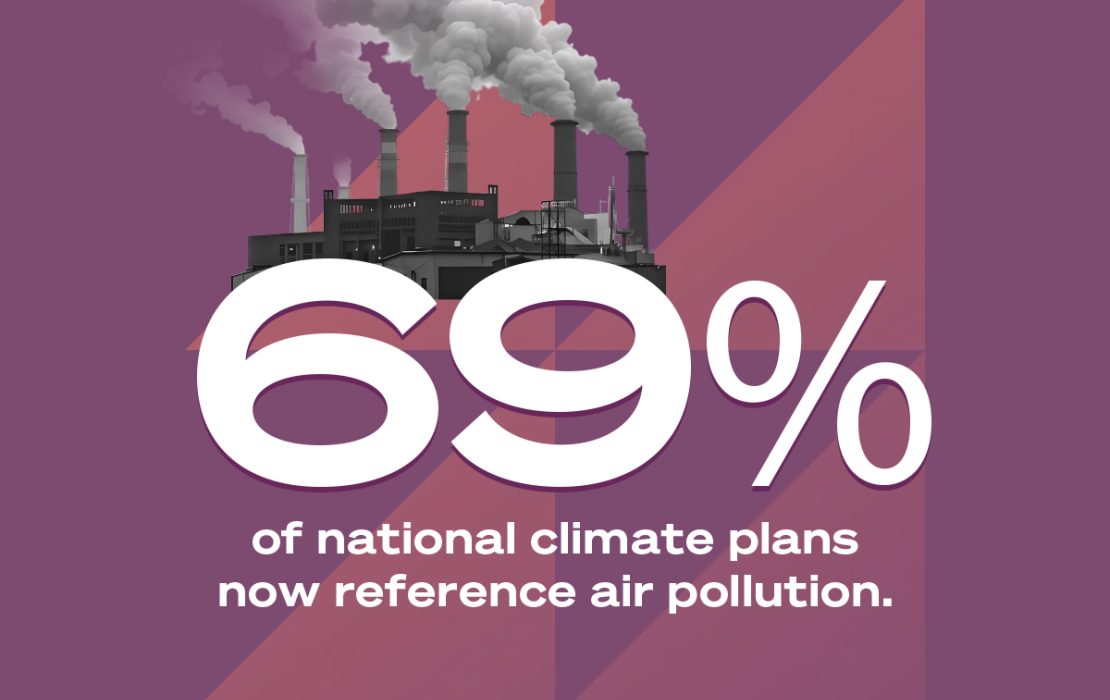
- Health considerations are now included in 93 percent of NDCs, highlighting the growing momentum of countries acknowledging and making clearer links between climate change and its impacts on health. 60 percent of NDCs reference specific measures to improve air quality, making it the most popular measure in this sector. Moreover, a number of countries, especially SIDS, are highlighting loss and damage to health, life and health systems as a particular concern.


- Water resources are another top priority, with 94 percent of NDCs highlighting their importance for climate action. 92 percent of coastal and island countries also prioritize measures related to oceans and the blue economy, with a strong focus on adaptation and ocean resilience. Only 12 percent of these measures relate to mitigation, despite the high potential for emissions reductions in this area.
- Circular economy approaches are increasingly recognized as important integrated solutions for delivering climate action and sustainable development. Measures related to circular economy have drastically increased, being included in 84 percent of revised NDCs. Countries are broadening circular economy approaches beyond the waste sector, with potential to unlock mitigation and adaptation progress across key sectors including energy, food and agriculture, industry and construction.
- Cities are key players in implementing national climate strategies as estimates show they are responsible for 70 percent of global emissions. 81 percent of NDCs integrate specific climate measures in urban areas that relate to transport, ecosystems and biodiversity, infrastructure or nature-based solutions. However, there are significant gaps in data, governance and financing that limit countries’ ability to plan and track urban climate action efforts effectively.
- Peace and security considerations are increasingly being recognized in NDCs, as climate change impacts can intensify security risks. The number of countries acknowledging this has increased from 34 percent in second-generation NDCs to 41 percent in third-generation NDC. Among countries in fragile contexts, peace and security considerations are included in 70 percent of NDCs.
- Disaster risk reduction is a priority for enchancing adaptation and building resilience to climate change impacts through stronger preparedness, with 76 percent of NDCs including measures in this sector. As climate change fuels more frequent and more intense extreme weather events and hazards, important tools like climate information and early warning systems are being strengthened through measures in 66 percent of new NDCs. Moreover, countries are increasingly using climate and disaster risk finance and insurance products to transfer risk, protect vulnerable populations and enable faster, more resilient recovery from climate shocks.
- Nature and biodiversity are deeply interconnected with the climate crisis. Halting nature loss is a critical aspect of climate action, with 95 percent of NDCs including a direct reference to the role of nature and biodiversity. Moreover, 55 percent reference National Biodiversity Strategies and Action Plans (NBSAPs), which guide the design of actions to protect nature and integrate them into national decision-making, economic planning and public policy.
How is UNDP supporting countries in submitting ambitious NDCs and implementing them?
Since the adoption of the Paris Agreement, UNDP has been providing support to developing countries across all three generations of NDCs, helping them to steadily increase the ambition and quality of their NDCs and drive their implementation at home. Under the initial phase of Climate Promise, UNDP supported 85 percent of second-generation NDCs from developing countries, providing the world’s largest offer of support of this kind.
Building on this success, the UN Secretary-General called upon UNDP to leverage the infrastructure of its Climate Promise to drive a coordinated effort that brought together the entire UN system to support countries on third-generation NDCs. This effort, called Climate Promise 2025, delivered support to countries across three key pillars: raising ambition on NDC targets, helping accelerate implementation, and enabling whole-of-society approaches to ensure inclusivity across the entire process.
Under Climate Promise 2025, the UN system supported more than 100 countries with revising their third generation NDCs. By the end of 2025, 61 of these countries had submitted their updated plans, representing 71 percent of all submissions from developing countries.
As developing countries are getting ready to advance bold climate action, UNDP has been given a new directive by the UN Secretary-General to support the transition from ambition to implementation through a new chapter, Climate Promise: Forward. The initiative will once again be bringing together the UN system and global partners to accelerate NDC implementation, harnessing the power of coordinated support to ensure governments achieve their climate targets and a low-carbon future.
*
If you’d like more detailed insights on third-generation NDCs, explore our report and microsite.